Introduction
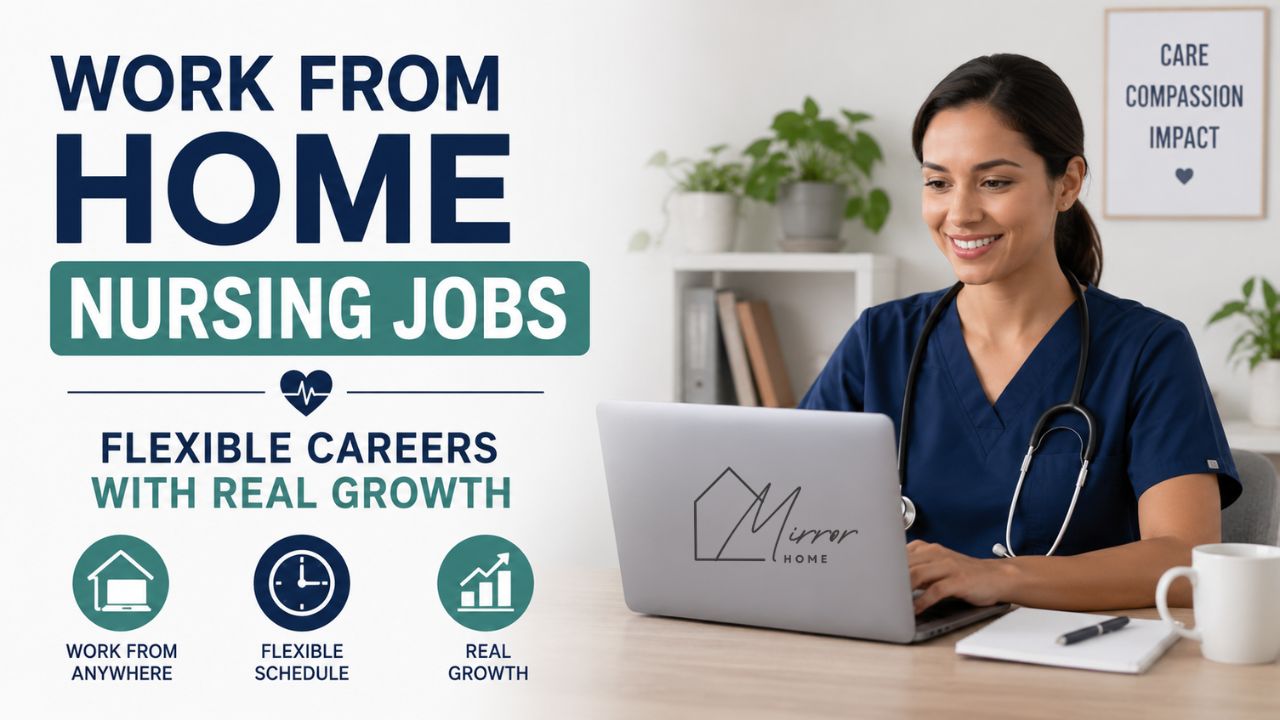
A few years ago, most nurses believed their careers would always revolve around hospital hallways, overnight shifts, and physically demanding schedules. Today, that picture looks completely different. Work from home nursing jobs are opening new doors for nurses who want flexibility, better work-life balance, and opportunities beyond bedside care.
Whether you’re a registered nurse looking to avoid burnout, a parent who needs a more predictable schedule, or a healthcare professional searching for a long-term remote career path, the demand for remote nursing talent is growing rapidly. Hospitals, insurance companies, telehealth platforms, and healthcare startups all rely on experienced nurses who can provide support from virtually anywhere.
The appeal goes beyond convenience. Remote nursing roles often offer competitive salaries, professional advancement, reduced commuting stress, and more control over your daily routine. At the same time, these positions still allow nurses to make a meaningful difference in patients’ lives.
Why Remote Nursing Careers Are Growing So Quickly
Healthcare systems are changing fast. Patients now expect virtual care options, digital communication, and faster access to healthcare professionals. That shift has created a huge need for nurses who can work effectively outside traditional clinical environments.
Technology has played a major role in this transition. Video consultations, remote patient monitoring systems, electronic health records, and virtual care platforms allow nurses to support patients without being physically present in a hospital or clinic.
At the same time, healthcare employers are trying to reduce staff burnout and retain experienced professionals. Offering remote positions helps organizations attract highly qualified nurses who may otherwise leave the profession entirely.
Another important factor is patient preference. Many people appreciate receiving care from home, especially older adults, busy parents, and patients managing chronic conditions. Nurses who can communicate clearly and provide guidance remotely have become essential to modern healthcare delivery.
Types of Work From Home Nursing Jobs
Not every remote nursing role looks the same. Some involve direct patient care, while others focus on administration, education, or healthcare operations.
Telehealth Nurse
Telehealth nurses conduct virtual consultations through phone calls, messaging systems, or video appointments. They assess symptoms, answer patient questions, provide education, and determine whether patients need in-person care.
This role requires excellent communication skills, strong clinical judgment, and confidence using digital healthcare platforms.
Common responsibilities include:
- Reviewing patient symptoms
- Providing medication guidance
- Helping patients manage chronic conditions
- Escalating emergency concerns
- Documenting patient interactions
Telehealth nursing is often one of the easiest entry points into remote healthcare work.
Case Management Nurse
Case management nurses coordinate patient care across different providers and treatment plans. They often work for insurance companies, hospitals, or rehabilitation organizations.
These professionals help patients understand treatment options, navigate insurance processes, and access necessary services.
Many nurses transition into case management after gaining several years of clinical experience. The role usually combines patient advocacy with administrative coordination.
Utilization Review Nurse
Utilization review nurses evaluate medical records to determine whether treatments and procedures are medically necessary and covered by insurance.
This role involves reviewing documentation, communicating with healthcare providers, and ensuring compliance with healthcare guidelines.
Because the position focuses heavily on documentation and analysis, it adapts well to remote work.
Nurse Educator
Online nursing education has expanded dramatically. Nurse educators teach students through virtual classrooms, webinars, and digital learning platforms.
Some educators work for universities, while others train healthcare staff for hospitals or private companies.
Nurses with advanced degrees and strong presentation skills are especially well-suited for these positions.
Legal Nurse Consultant
Legal nurse consultants assist attorneys with medical cases by reviewing records, explaining clinical information, and identifying healthcare standards.
These nurses often work independently or for law firms. The role combines nursing expertise with analytical and communication skills.
Nurse Health Coach
Health coaching focuses on helping patients improve lifestyle habits, manage chronic illnesses, and achieve wellness goals.
Remote health coaches may work with patients dealing with:
- Diabetes
- Obesity
- Heart disease
- Stress management
- Smoking cessation
- Nutrition planning
The role emphasizes motivation, accountability, and patient education.
Skills Needed for Remote Nursing Success
While clinical experience matters, remote nursing requires additional strengths that are sometimes overlooked.
Strong Communication Skills
Without face-to-face interaction, communication becomes even more important. Remote nurses must explain medical information clearly, listen carefully, and build trust through digital channels.
Tone, empathy, and patience all play a major role in successful patient interactions.
Technical Confidence
Most remote nursing positions require familiarity with healthcare software systems, electronic medical records, video conferencing platforms, and online scheduling tools.
You don’t need to be a technology expert, but you should feel comfortable learning new systems quickly.
Time Management
Working remotely requires self-discipline. Nurses must manage appointments, complete documentation, and stay organized without direct supervision.
A structured routine can make a significant difference in productivity and stress levels.
Critical Thinking
Remote nurses often need to make decisions based on limited visual information. Strong assessment skills help identify situations that require urgent escalation.
Emotional Intelligence
Patients seeking virtual care may feel anxious, isolated, or confused. Nurses who demonstrate empathy and emotional awareness can create more positive healthcare experiences.
How Much Do Remote Nurses Earn?
Salary varies depending on experience, specialty, certifications, and employer type. However, many work from home nursing jobs offer salaries comparable to traditional clinical positions.
Here are some common salary ranges in the remote nursing field:
| Role | Average Annual Salary |
|---|---|
| Telehealth Nurse | $70,000–$95,000 |
| Case Management Nurse | $80,000–$110,000 |
| Utilization Review Nurse | $75,000–$100,000 |
| Nurse Educator | $70,000–$105,000 |
| Legal Nurse Consultant | $85,000–$120,000 |
Some employers also provide:
- Flexible schedules
- Health insurance
- Paid time off
- Retirement plans
- Continuing education support
- Home office stipends
Freelance and contract-based remote nurses may earn even more depending on workload and specialization.
Benefits of Working Remotely as a Nurse
The advantages of remote healthcare work extend far beyond convenience.
Better Work-Life Balance
Many nurses leave bedside care because of exhausting schedules and emotional fatigue. Remote roles can provide more predictable hours and greater flexibility.
This is especially valuable for nurses with children, caregiving responsibilities, or personal health concerns.
Reduced Physical Stress
Traditional nursing often involves long periods of standing, lifting patients, and physically demanding shifts.
Remote nursing allows professionals to continue using their expertise without the same level of physical strain.
Expanded Career Opportunities
Nurses are no longer limited to local hospitals or clinics. Remote positions allow healthcare professionals to work for organizations across the country.
This wider job market increases access to better salaries and specialized roles.
Lower Commuting Costs
Daily commuting expenses add up quickly. Working remotely can reduce transportation costs, parking fees, and time spent in traffic.
Greater Career Longevity
Many experienced nurses who feel burned out from bedside care find renewed purpose in remote positions. These opportunities help skilled professionals remain in healthcare longer.
Challenges Remote Nurses Should Expect
Remote nursing can be rewarding, but it also comes with unique challenges.
Isolation
Some nurses miss the social interaction and teamwork found in clinical settings. Working from home can sometimes feel lonely, especially for highly social individuals.
Creating routines, staying connected with colleagues, and scheduling regular breaks can help reduce feelings of isolation.
Screen Fatigue
Virtual healthcare work often involves long hours in front of a computer.
Eye strain, headaches, and mental fatigue can become issues without proper workspace ergonomics and regular movement.
Boundary Management
Working from home can blur the line between professional and personal life.
Setting clear work hours and maintaining a dedicated workspace helps create healthier boundaries.
Competitive Hiring
As remote healthcare positions become more desirable, competition increases. Employers often prioritize candidates with strong experience, certifications, and communication skills.
Best Companies Hiring Remote Nurses
Many major healthcare organizations actively recruit remote nursing professionals.
Insurance Companies
Large insurance providers frequently hire nurses for:
- Case management
- Utilization review
- Care coordination
- Claims analysis
These positions often provide stable schedules and comprehensive benefits.
Telehealth Platforms
Virtual care companies continue expanding nationwide.
These employers typically seek nurses who are comfortable handling high patient volumes and digital communication.
Hospitals and Healthcare Systems
Many hospitals now operate virtual care departments that support patient monitoring, discharge coordination, and telehealth services.
Government Agencies
Public health departments and federal healthcare organizations sometimes offer remote opportunities related to education, triage, and healthcare support.
Healthcare Technology Companies
Health tech startups increasingly hire nurses for product development, customer support, clinical training, and workflow optimization.
Certifications That Can Improve Your Chances
Additional certifications can make candidates more competitive in the remote healthcare market.
Useful certifications include:
- Certified Case Manager (CCM)
- Ambulatory Care Nursing Certification (RN-BC)
- Certified Professional in Healthcare Quality (CPHQ)
- Telehealth Nursing Certification
- Legal Nurse Consultant Certification
Continuing education also demonstrates commitment to professional growth.
How to Find Legitimate Remote Nursing Positions
Not every online job posting is trustworthy. Nurses should approach remote opportunities carefully.
Focus on Reputable Employers
Established healthcare systems, insurance companies, and recognized telehealth providers are generally safer options.
Research employers thoroughly before applying.
Avoid Unrealistic Promises
Be cautious of listings that advertise extremely high salaries with little experience or minimal job requirements.
Legitimate healthcare employers typically conduct detailed interviews and verify credentials carefully.
Update Your Resume for Remote Roles
Highlight skills that matter in virtual healthcare environments, including:
- Electronic health record experience
- Telehealth systems
- Independent decision-making
- Communication abilities
- Time management
Build a Professional Online Presence
A polished professional profile can help recruiters find you more easily.
Many employers now search for candidates through professional networking platforms.
Setting Up a Productive Home Office
A proper workspace can improve comfort, professionalism, and efficiency.
Important home office essentials include:
- Reliable high-speed internet
- Noise-canceling headset
- Comfortable ergonomic chair
- Secure computer system
- Good lighting
- HIPAA-compliant workspace practices
Privacy is especially important in healthcare. Remote nurses must protect patient confidentiality at all times.
Work From Home Nursing Jobs for Different Experience Levels
Remote opportunities exist for nurses at various career stages.
Newer Nurses
Entry-level remote opportunities may include:
- Telephone triage
- Patient support services
- Health coaching
- Appointment coordination
However, many employers still prefer at least one to three years of clinical experience.
Experienced Nurses
Nurses with extensive bedside backgrounds often qualify for higher-paying positions involving leadership, education, or specialized case management.
Advanced Practice Nurses
Nurse practitioners can provide virtual primary care, mental health support, chronic disease management, and specialty consultations.
Telemedicine has significantly expanded opportunities for advanced practice professionals.
Future Trends in Remote Nursing
The future of virtual healthcare looks incredibly strong.
Artificial intelligence, wearable health technology, and remote monitoring systems are changing how nurses interact with patients.
Healthcare organizations are also investing heavily in preventive care and chronic disease management, both of which depend heavily on virtual communication.
As healthcare becomes more digital, nurses who adapt to technology and remote communication will remain in high demand.
In addition, patients are becoming increasingly comfortable with virtual care experiences. That shift will continue driving demand for experienced remote healthcare professionals.
FAQ
What qualifications do you need for remote nursing jobs?
Most remote nursing positions require an active nursing license and at least one to three years of clinical experience. Some specialized positions may require certifications or advanced degrees.
Are remote nursing jobs full time or part time?
Both options exist. Many employers offer full-time schedules, while others provide flexible or contract-based work arrangements.
Do remote nurses still interact with patients?
Yes. Many remote nurses communicate with patients through video calls, phone conversations, secure messaging platforms, and virtual healthcare systems.
Can new nurses get remote jobs?
Some entry-level opportunities are available, but many employers prefer candidates with hands-on clinical experience first.
What equipment do remote nurses need?
Most remote nurses need a secure computer, reliable internet connection, headset, webcam, and a quiet workspace that protects patient privacy.
Are work from home nursing jobs less stressful?
They can reduce physical stress and commuting fatigue, but remote healthcare work still requires strong communication, multitasking, and emotional resilience.
Which nursing specialties work best remotely?
Case management, telehealth, utilization review, nurse education, and health coaching are among the most common remote-friendly specialties.
Can nurse practitioners work remotely?
Yes. Many nurse practitioners now provide virtual consultations, chronic disease management, and telemedicine services from home.
Conclusion
The healthcare industry is evolving rapidly, and nurses are no longer limited to traditional clinical settings. Remote opportunities now allow healthcare professionals to build meaningful, flexible careers while maintaining strong earning potential and professional impact.
For nurses seeking greater balance, reduced burnout, and new ways to use their expertise, remote healthcare roles offer exciting possibilities. Whether you’re interested in telehealth, education, case management, or healthcare technology, there has never been a better time to explore the growing world of virtual nursing careers.
As demand continues rising, nurses who combine clinical knowledge with strong communication and digital skills will remain incredibly valuable. The future of healthcare is becoming more connected, more flexible, and increasingly accessible from anywhere.