Introduction
If you’ve ever felt limited by the old command prompt, you’re not alone. For years, Windows users relied on basic terminal environments that simply couldn’t compete with the flexibility developers enjoyed elsewhere. Then came windowsterminal.com, a central hub for everything related to Microsoft’s modern terminal experience—and it changed the game.
In reality, most developers don’t just want a command-line tool. They want a customizable, powerful, visually intuitive environment that adapts to their workflow. That’s exactly why windowsterminal.com matters. It represents a shift from outdated command utilities to a sleek, open-source, performance-driven platform built for serious productivity.
Whether you’re a software developer, DevOps engineer, IT administrator, or a curious tech enthusiast, understanding how windowsterminal.com fits into your workflow can significantly improve your daily efficiency.
What Is windowsterminal.com?
windowsterminal.com serves as a resource gateway for Microsoft’s modern Windows Terminal application. Windows Terminal is an open-source terminal emulator designed for Windows 10 and Windows 11 that consolidates:
- Command Prompt (cmd)
- PowerShell
- Azure Cloud Shell
- Windows Subsystem for Linux (WSL)
Unlike legacy tools, Windows Terminal supports GPU-accelerated text rendering, Unicode, multiple tabs, and extensive customization.
When users search for windowsterminal.com, they’re typically looking for:
- Download links
- Feature documentation
- Customization tutorials
- Release notes
- Troubleshooting guidance
In simple terms, windowsterminal.com represents the modern command-line ecosystem on Windows.
The Evolution of Windows Terminal
For decades, Windows relied on Command Prompt—a tool functional but visually and technically limited. Then came PowerShell, which introduced scripting power but still lacked UI flexibility.
Microsoft recognized that developers increasingly demanded:
- Cross-platform compatibility
- Better performance
- Aesthetic customization
- Integrated environments
In 2019, Windows Terminal was announced as an open-source project. That decision alone reshaped how enterprise and independent developers perceived Microsoft’s developer tools.
Today, windowsterminal.com reflects a matured ecosystem backed by community contributions and continuous GitHub updates.
Core Features of windowsterminal.com
1. Multi-Tab Interface
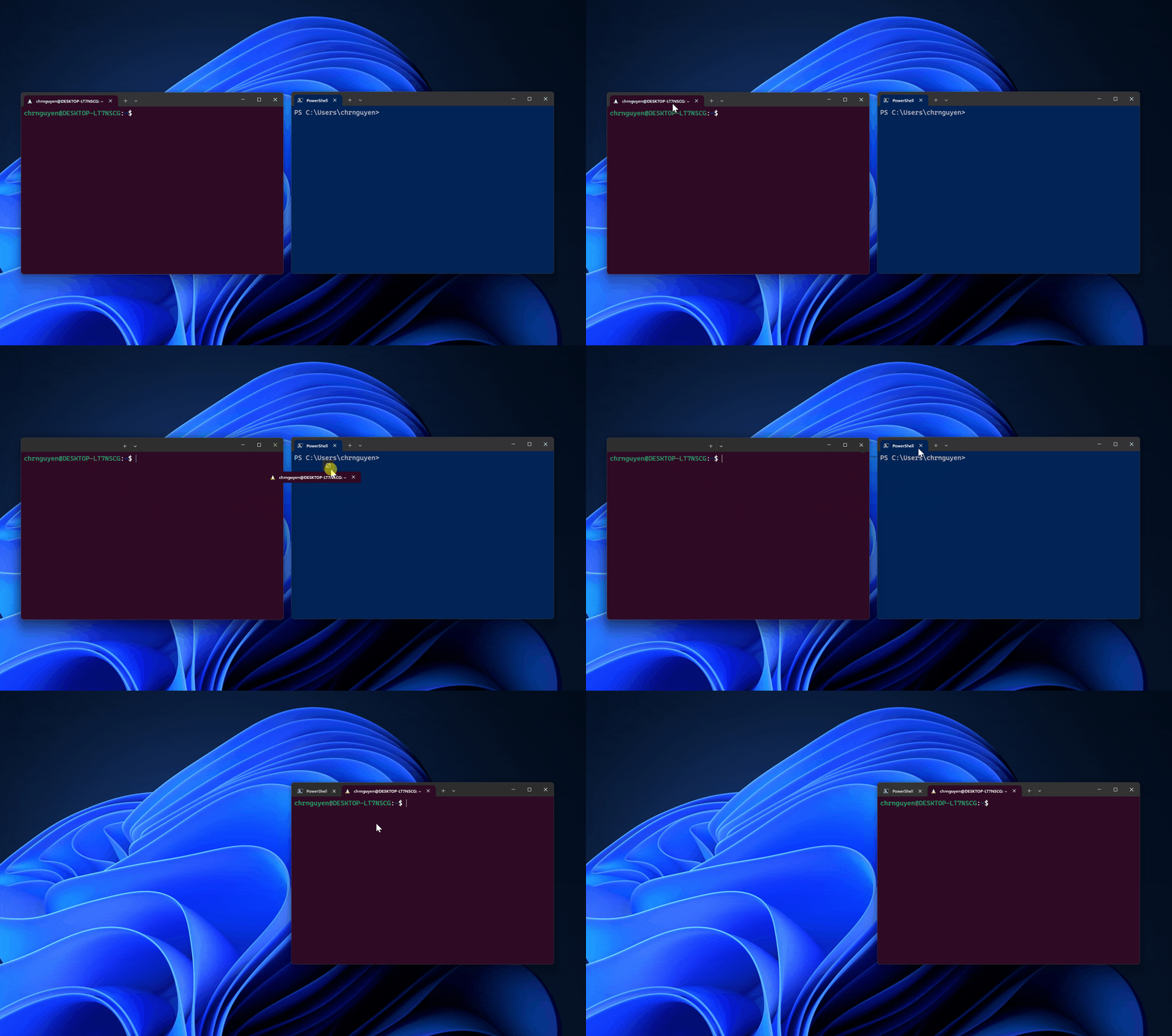
Just like a web browser, Windows Terminal allows multiple tabs. Each tab can run:
- PowerShell
- WSL distributions
- Azure sessions
- Git Bash
This drastically reduces context switching.
2. Split Panes
Developers can split a single tab into multiple panes. Imagine running a server in one pane and logs in another—without opening separate windows.
3. GPU-Accelerated Rendering
Performance matters. Windows Terminal uses hardware acceleration to render text smoothly, even during heavy operations.
4. Unicode & Emoji Support
Unlike older consoles, modern character sets display correctly—essential for international developers.
5. JSON-Based Configuration
Advanced users can modify settings through a JSON file. This enables:
- Custom key bindings
- Font changes
- Color schemes
- Default shell preferences
Installation and Setup Guide
Setting up Windows Terminal is straightforward.
Option 1: Microsoft Store
- Open Microsoft Store
- Search for Windows Terminal
- Install
Option 2: GitHub Releases
Advanced users may download preview builds directly.
After installation:
- Set your default profile
- Configure startup behavior
- Adjust appearance settings
windowsterminal.com provides official documentation links for each step.
Customization and Personalization
Customization is where windowsterminal.com truly shines.
Popular Customizations
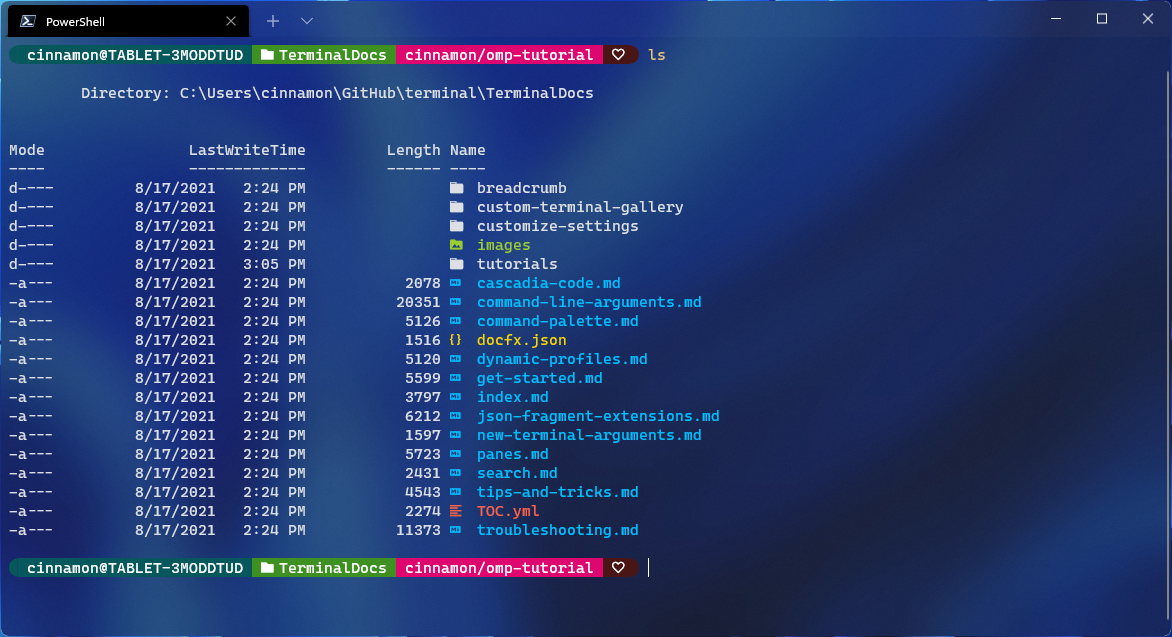
- Transparent background (acrylic effect)
- Custom fonts (Cascadia Code recommended)
- Oh My Posh themes
- Background images
- Custom color schemes
For developers who spend 6–10 hours daily inside a terminal, visual comfort matters more than people realize.
Profiles, Tabs, and Panes Explained
Understanding the internal structure helps maximize efficiency.
| Component | Purpose | Example Use |
|---|---|---|
| Profile | Defines shell settings | PowerShell profile |
| Tab | Independent session | WSL Ubuntu tab |
| Pane | Split view inside tab | Server + logs |
This structure enables advanced workflows without clutter.
Productivity Tips for Developers
Here’s how professionals maximize windowsterminal.com:
Use Keyboard Shortcuts
- Ctrl + Shift + T → New tab
- Alt + Shift + D → Split pane
Automate with PowerShell
Combine terminal sessions with automated scripts.
Use WSL for Linux Commands
Developers working with Docker, Node.js, or Python often rely on Linux commands inside WSL.
Integrate Git
Using Git inside Windows Terminal simplifies version control management.
Integration with PowerShell, WSL, and Azure
Windows Terminal isn’t just a UI upgrade—it’s an integration hub.
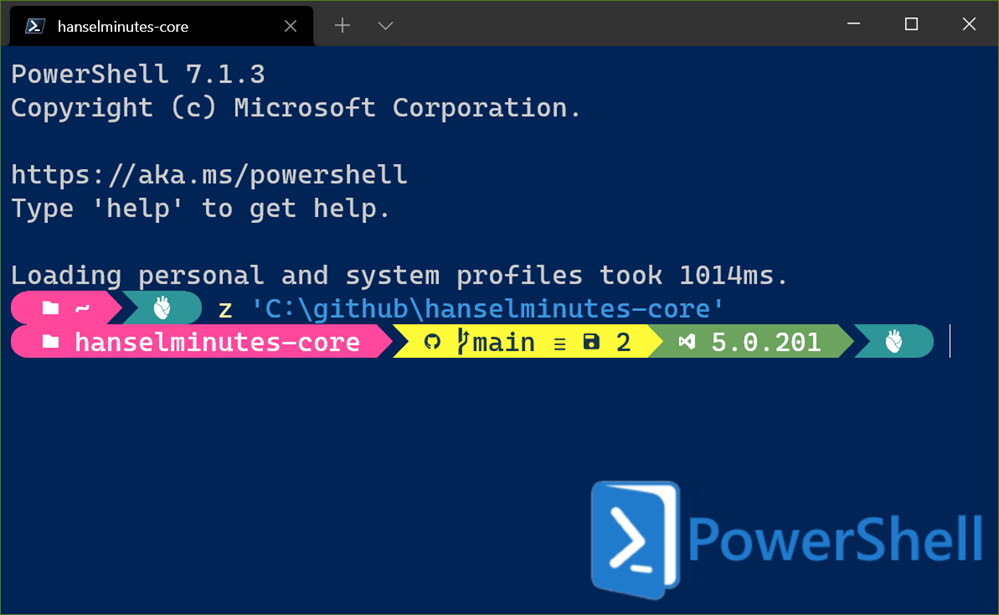
PowerShell
Advanced scripting, automation, system management.
WSL
Run Ubuntu or other Linux distributions natively.
Azure Cloud Shell
Cloud management from within your terminal.
This multi-environment capability makes windowsterminal.com highly valuable for DevOps professionals.
Security and Performance Considerations
Modern enterprises care about security. Windows Terminal:
- Does not replace shell security
- Relies on OS-level authentication
- Supports secure remote sessions
Performance-wise, GPU rendering significantly reduces latency.
Personal Background: The Team Behind Windows Terminal
Windows Terminal is developed by Microsoft’s Developer Division. The project is open-source and hosted on GitHub, attracting thousands of contributors.
Microsoft, founded by Microsoft in 1975 by Bill Gates and Paul Allen, has transformed from a desktop software company into a cloud-first enterprise giant.
Career & Achievements
- Windows OS dominance
- Azure cloud leadership
- Open-source contributions
- Developer-first initiatives
Financial Insights
Microsoft’s market valuation exceeds trillions of dollars, making it one of the most valuable companies globally. While Windows Terminal itself is free and open-source, it supports Microsoft’s broader developer ecosystem strategy.
Real-World Use Cases
Case 1: Full-Stack Developer
Runs backend server in one pane, frontend in another.
Case 2: IT Administrator
Manages Active Directory scripts while monitoring logs.
Case 3: DevOps Engineer
Deploys containers via Azure CLI inside a split terminal view.
In each scenario, windowsterminal.com resources help optimize workflow.
FAQ
What is windowsterminal.com used for?
It provides information and resources related to Windows Terminal.
Is Windows Terminal free?
Yes, it’s open-source and free to download.
Can I use Linux commands?
Yes, through WSL integration.
Does it replace Command Prompt?
It enhances it but does not remove it.
Is it suitable for beginners?
Yes, but advanced features benefit experienced users.
Does it support customization?
Extensively, including fonts, themes, and layouts.
Is Windows Terminal secure?
It relies on system-level security and authentication.
Conclusion
Technology evolves fast. However, productivity tools evolve even faster. windowsterminal.com reflects a modern approach to command-line computing—flexible, customizable, powerful, and built with developers in mind.
If you spend hours navigating directories, running scripts, or deploying applications, upgrading your workflow with Windows Terminal isn’t just optional—it’s transformative.
And once you experience split panes, GPU rendering, and deep customization, it’s hard to imagine going back.