Introduction
Ever walked into a room and felt something was… missing? More often than not, the culprit isn’t the furniture or lighting—it’s the wall design. Walls occupy the largest visual surface in any space, yet they’re frequently overlooked.
A thoughtful wall design can completely transform a dull room into a captivating one. It shapes mood, reflects personality, and even influences how spacious or cozy a space feels. In reality, your walls are a blank canvas waiting to tell a story—your story.
Whether you live in a compact apartment or a sprawling home, mastering wall design principles can elevate your interiors from average to unforgettable. Let’s explore how.

The Importance of Wall Design in Interior Spaces
Why Walls Matter More Than You Think
Walls define structure—but they also define atmosphere. Studies in environmental psychology show that visual surroundings significantly impact mood and productivity. For example, neutral-toned walls with subtle textures promote calmness, while bold geometric designs stimulate creativity.
A strategic wall design can:
- Create a focal point
- Add perceived depth to small rooms
- Enhance lighting reflection
- Improve acoustic comfort
- Increase property value
On the other hand, blank, poorly finished walls can make even expensive furniture look underwhelming.
How Wall Design Impacts Perception of Space
- Vertical stripes make ceilings feel taller.
- Light hues expand tight rooms.
- Dark accent walls create cozy intimacy.
- Mirrors amplify natural light.
In small apartments, thoughtful wall design often does more than adding new furniture ever could.
Popular Wall Design Styles and Trends
1. Minimalist Wall Design
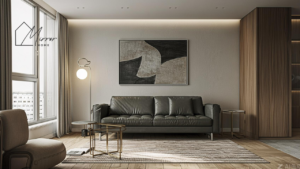
Minimalism focuses on clean lines, neutral palettes, and subtle textures. Instead of clutter, it emphasizes intentionality. A single framed artwork on a soft beige wall often says more than a gallery of mismatched pieces.
2. Textured Wall Design
Texture is dominating modern interiors. Think:
- 3D wall panels
- Limewash finishes
- Exposed brick
- Wood slats
These designs create visual depth without overwhelming the room.
3. Statement Accent Walls
Accent walls remain one of the most effective wall design techniques. Popular options include:
- Geometric paint patterns
- Bold wallpaper prints
- Marble or stone veneer panels
- LED-lit paneling
4. Industrial Wall Design
Industrial style embraces raw elements: concrete finishes, metal frames, and unfinished brickwork. It’s bold, urban, and perfect for loft-style apartments.

Wall Design Ideas for Every Room
Living Room Wall Design
The living room is your home’s social hub. A powerful wall design here sets the tone.
Ideas include:
- Oversized artwork
- Floor-to-ceiling bookshelves
- Floating media panels
- Textured stone TV backdrop
A real-life example: Many modern apartments use wooden slat paneling behind TVs to combine warmth with acoustic benefits.
Bedroom Wall Design
Bedrooms should feel restful. Soft hues like sage green, dusty blue, and warm taupe dominate trends.
Consider:
- Upholstered headboard walls
- Subtle wallpaper with botanical prints
- Soft LED strip lighting integrated into panels
Kitchen Wall Design
Kitchens benefit from functional beauty.
- Backsplash tiles
- Open shelving against colored walls
- Chalkboard paint for message boards
Office Wall Design
Remote work has increased demand for inspiring home offices.
An effective wall design for offices may include:
- Motivational typography
- Floating shelves
- Textured backgrounds for video calls

Materials and Techniques Used in Wall Design
Paint Techniques
Paint remains the most versatile wall design solution. Popular methods include:
- Ombre blending
- Color blocking
- Stenciling
- Limewash finishing
Wallpaper and Murals
Modern wallpapers are peel-and-stick and easier to maintain. Murals add drama—especially landscape or abstract designs.
Wall Panels
Wall panels provide durability and sophistication. Options include:
| Material | Benefits | Best For |
|---|---|---|
| MDF Panels | Affordable & versatile | Living rooms |
| PVC Panels | Moisture resistant | Bathrooms |
| Wooden Panels | Warm aesthetic | Bedrooms |
| Stone Veneer | Luxurious appeal | Feature walls |
Color Psychology and Wall Design
Colors deeply influence human emotions.
- Blue promotes calm and trust.
- Green enhances balance and harmony.
- Yellow stimulates creativity.
- Grey conveys modern elegance.
- Earth tones create warmth.
However, balance is key. Too much bold color can overwhelm. Subtle combinations often deliver the best results in wall design strategies.
Budget-Friendly Wall Design Solutions
Not every transformation requires a large budget.
Affordable ideas include:
- DIY gallery walls
- Removable wallpaper
- Painted geometric shapes
- Decorative wall decals
- Floating shelves
A simple $50 paint project can dramatically change a room’s atmosphere.
Hiring a Professional: What to Expect
If you want a high-end wall design, professionals bring:
- 3D render previews
- Material recommendations
- Structural assessment
- Cost optimization strategies
Interior designers typically charge between $50–$200 per hour, depending on location and expertise.
However, investing wisely can increase property value by up to 10%, especially in competitive housing markets.
FAQs
What is the most popular wall design trend right now?
Textured finishes and wooden slat panels are currently leading interior trends.
How often should I update my wall design?
Most homeowners refresh wall aesthetics every 5–7 years.
Is wallpaper better than paint?
Wallpaper offers patterns and texture, while paint is more flexible and budget-friendly.
Can wall design increase home value?
Yes. High-quality finishes and feature walls enhance buyer perception and resale appeal.
What colors make a room look bigger?
Light shades such as white, cream, and pastel tones expand visual space.
Is 3D wall paneling durable?
Yes, especially PVC and high-density MDF options designed for interior use.
Conclusion
At the end of the day, walls are not just boundaries—they’re opportunities. A well-executed wall design transforms emotion, enhances comfort, and elevates everyday living.
Whether you prefer minimalist sophistication, bold artistic statements, or cozy textured finishes, there’s a wall design approach that perfectly reflects your personality and lifestyle.
The best part? You don’t need a mansion or massive budget to make it happen. With the right strategy, creativity, and attention to detail, your walls can become the most captivating feature of your home.