Introduction
There’s something deeply satisfying about stepping outside and feeling instantly relaxed, inspired, and at home. For many people, my garden and patio is more than an outdoor area—it’s a personal retreat, a social hub, and a creative expression of lifestyle.
Whether you’re working with a compact balcony or a spacious backyard, the way you design and use your outdoor space directly affects how often you enjoy it. A thoughtful garden and patio setup can improve mental well-being, increase property value, and create year-round opportunities for connection and calm.
In this guide, we’ll explore practical, stylish, and realistic ways to transform my garden and patio into a space that feels intentional, comfortable, and uniquely yours—without overcomplicating the process.

Understanding My Garden and Patio as a Living Space
What “My Garden and Patio” Really Means
At its core, my garden and patio represents a hybrid living zone—part nature, part design. It’s where landscaping meets furniture, and where function blends with personal taste. Unlike indoor rooms, outdoor spaces must respond to weather, sunlight, and seasonal change.
A well-designed garden and patio isn’t about copying magazine photos. In reality, it’s about creating a space that matches how you live—morning coffee, weekend gatherings, quiet evenings, or family playtime.
Why Outdoor Spaces Matter More Than Ever
Studies show that spending time in green spaces can reduce stress levels by up to 30%. In practical terms, people with usable outdoor areas tend to:
- Spend more time at home comfortably
- Entertain guests more often
- Feel a stronger connection to nature
- Experience improved mood and productivity
That’s why investing in my garden and patio isn’t just aesthetic—it’s lifestyle-driven.
Planning the Layout for My Garden and Patio
Start With How You’ll Use the Space
Before choosing plants or furniture, clarify the purpose. Ask yourself:
- Will this be a relaxation zone or entertainment area?
- Do I need dining space, lounging space, or both?
- Is privacy a concern?
- How much maintenance am I realistically willing to do?
Clear answers help prevent clutter and poor layout decisions.
Zoning: The Secret to Balanced Outdoor Design
Zoning creates order. Even small patios benefit from defined areas:
- Seating zone with chairs or a sofa
- Green zone with plants or raised beds
- Utility zone for storage or grills
For my garden and patio, zoning ensures every square foot feels intentional rather than chaotic.
Garden Design Elements That Actually Work
Hardscaping vs Softscaping Explained
Hardscaping refers to non-living elements like stone paths, decks, and planters. Softscaping includes plants, grass, and soil-based features. A balanced mix of both creates visual harmony.
Too much hardscaping feels cold. Too much softscaping can feel unstructured. The key is moderation.
Color, Texture, and Height Balance
Great garden design uses:
- Color contrast (green foliage with warm stone)
- Texture variation (smooth leaves vs rough bark)
- Height layering (ground cover, shrubs, taller plants)
These principles make my garden and patio visually engaging without overwhelming the senses.

Patio Design Ideas for Comfort and Style
Creating a Patio That Feels Like an Outdoor Room
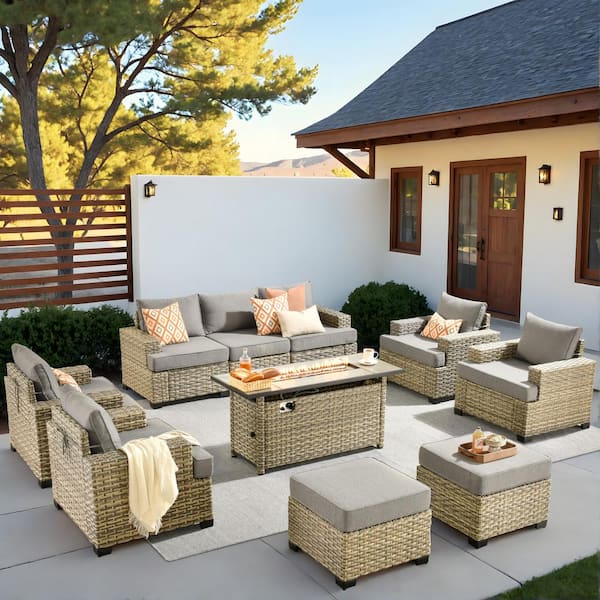
Think of your patio as a roofless living room. Anchor the space with:
- Outdoor rugs
- Low tables
- Cushioned seating
- Side tables or stools
This approach makes the patio feel grounded and inviting.
Small Patio? Smart Design Wins
For compact patios:
- Use foldable furniture
- Choose built-in benches
- Opt for vertical planters
- Keep a limited color palette
Minimalism often works best when space is limited.
Plants That Thrive in Garden and Patio Spaces
Choosing the Right Plants for Your Climate
Not all plants suit every region. Native and climate-adapted plants:
- Require less water
- Resist pests better
- Grow more predictably
This makes maintaining my garden and patio far less stressful.
Low-Maintenance Plant Options
Popular easy-care choices include:
- Lavender
- Succulents
- Ornamental grasses
- Evergreen shrubs
- Herbs like rosemary and mint
These plants deliver beauty without constant upkeep.

Outdoor Furniture: Choosing What Lasts
Materials That Withstand Weather
The best outdoor furniture materials include:
- Teak wood
- Powder-coated aluminum
- Synthetic wicker
- Stainless steel
They resist moisture, UV damage, and temperature changes.
Comfort vs Durability: Finding the Balance
Cushions should be water-resistant and removable. Frames should feel solid but not overly heavy. In my garden and patio, comfort encourages regular use—durability ensures long-term value.
Lighting Ideas for Evening Ambience
Layered Outdoor Lighting Explained
Use three lighting layers:
- Ambient: string lights or wall fixtures
- Task: pathway or step lighting
- Accent: spotlights on plants or features
This approach creates mood while improving safety.
Solar vs Electric Lighting
Solar lights are eco-friendly and easy to install, while wired lighting offers consistent brightness. Many homeowners mix both for flexibility.
Seasonal Care and Maintenance Tips
Spring and Summer Focus
- Prune plants early
- Clean patio surfaces
- Refresh cushions
- Add seasonal flowers
Fall and Winter Preparation
- Store or cover furniture
- Trim back perennials
- Protect sensitive plants
- Check drainage
Regular care keeps my garden and patio looking inviting all year.

Common Mistakes to Avoid
Overcrowding the Space
Too much furniture or too many plants reduce usability. Leave breathing room.
Ignoring Sun and Shade Patterns
Observe sunlight throughout the day before finalizing layouts. Shade placement can make or break comfort.
Choosing Style Over Function
A beautiful space that’s uncomfortable won’t get used. Always prioritize function first.
Frequently Asked Questions
FAQ
How can I improve my garden and patio on a budget?
Focus on lighting, rearranging existing furniture, and adding plants in stages rather than all at once.
What is the best flooring for a patio?
Concrete pavers, natural stone, and composite decking are durable and visually appealing options.
How often should I maintain my garden and patio?
Light weekly upkeep and seasonal deep maintenance usually keeps everything in good shape.
Can small patios still feel luxurious?
Yes. High-quality materials, good lighting, and fewer but better pieces make a big difference.
What plants work best for patios?
Container-friendly plants like herbs, dwarf shrubs, and ornamental grasses perform well.
Is outdoor furniture worth the investment?
Quality outdoor furniture lasts years and significantly improves comfort and usability.
How do I add privacy to my garden and patio?
Use tall plants, trellises with vines, outdoor curtains, or privacy screens.
Does a garden and patio increase property value?
Well-designed outdoor spaces can increase perceived home value by 5–15%.
Conclusion
Creating a space you genuinely enjoy doesn’t require perfection—it requires intention. When my garden and patio reflects how you live, relax, and connect, it naturally becomes an extension of your home rather than an afterthought.
By planning thoughtfully, choosing practical materials, and embracing your personal style, you can build an outdoor space that evolves with you and delivers comfort, beauty, and balance season after season.