Introduction
There’s something oddly satisfying about walking into a clean, organized home—and that’s exactly where a mudroom makes all the difference. A well-designed mudroom acts as a buffer between the outside world and your living space, catching dirt, shoes, and clutter before they spread.
If you’ve ever tripped over shoes at the door or struggled to find your keys in the morning rush, you already know why this space matters. A thoughtfully planned mudroom doesn’t just improve organization—it transforms your daily routine.
In reality, it’s one of the most practical yet underrated areas in a home. Whether you live in a compact apartment or a spacious house, creating a functional entry zone can instantly make life feel calmer, cleaner, and more manageable.
What Is a Mudroom and Why It Matters
A mudroom is a transitional space—typically located near an entryway—designed to keep dirt, moisture, and clutter from entering the main living areas. Think of it as your home’s first line of defense.
Why homeowners love a mudroom
- Keeps floors cleaner
- Reduces daily clutter
- Improves organization
- Adds functional storage
- Enhances home value
However, beyond practicality, it also creates a mental shift. You walk in, unload your day, and step into a more peaceful environment.
Key Elements of a Functional Mudroom
A great mudroom isn’t just about throwing in a bench and calling it a day. It’s about thoughtful design that supports your lifestyle.
Must-have features
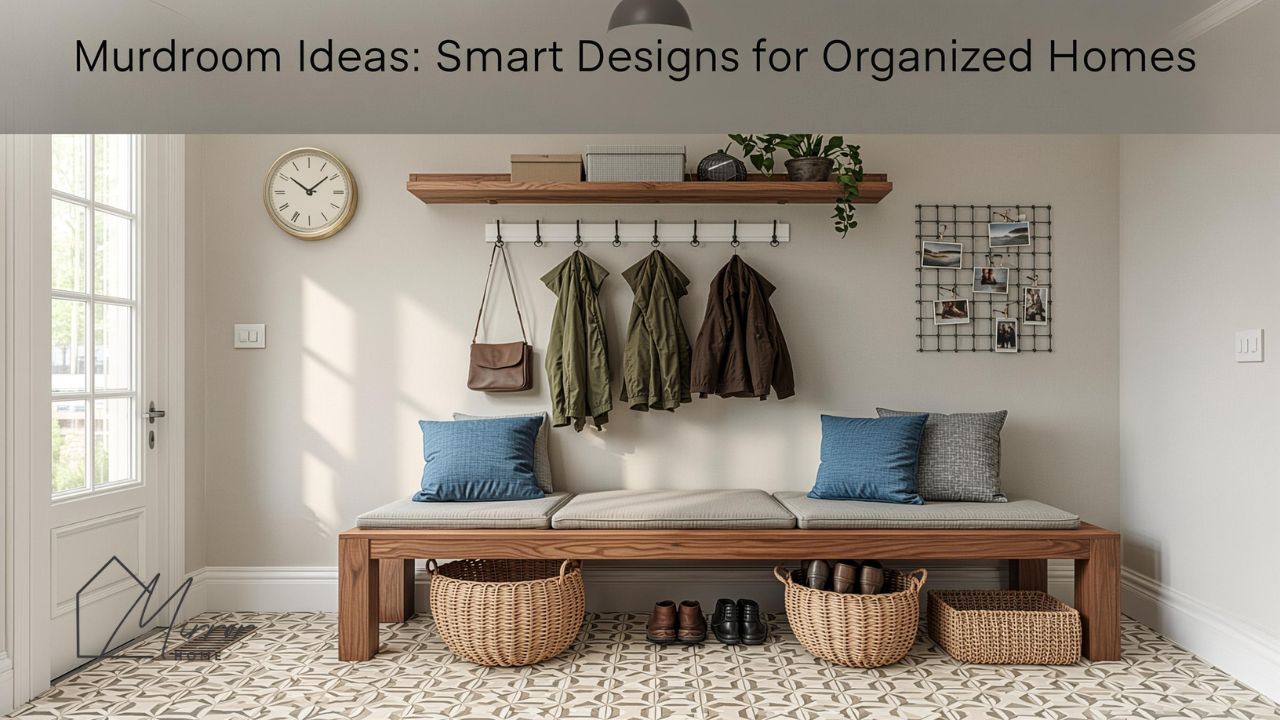
- Seating area – A bench for putting on shoes
- Hooks or racks – For coats, bags, and hats
- Storage cabinets – Hidden compartments for clutter
- Shoe storage – Shelves or cubbies
- Durable flooring – Easy to clean and water-resistant
Optional but valuable additions
- Built-in lockers
- Charging stations
- Pet washing area
- Mirror for last-minute checks
That said, even a small mudroom can feel luxurious when every inch is used wisely.
Mudroom Design Ideas for Every Home
Designing a mudroom is where creativity meets practicality. Your style should reflect both your aesthetic preferences and daily habits.
Modern mudroom design
Clean lines, neutral colors, and minimal clutter define modern spaces.
- Matte black hooks
- Floating shelves
- White cabinetry
- Hidden storage
Farmhouse mudroom charm
Warm, inviting, and slightly rustic.
- Wooden benches
- Shiplap walls
- Woven baskets
- Vintage hooks
Luxury mudroom inspiration
For those who want a high-end feel:
- Custom cabinetry
- Marble or tile flooring
- Built-in lighting
- Upholstered seating
In reality, your mudroom doesn’t need to be expensive—it just needs to be intentional.
Small Mudroom Solutions That Actually Work
Not everyone has a dedicated room, and that’s okay. A mudroom can exist in even the tiniest spaces.
Smart ideas for small areas
- Use vertical storage (hooks + shelves)
- Add a slim bench with hidden storage
- Install wall-mounted organizers
- Use baskets for flexible storage
Transforming tight spaces
You can create a mini mudroom in:
- Hallways
- Entry corners
- Under staircases
- Apartment entryways
For example, a simple wall with hooks and a shoe rack can function just as effectively as a full room.
Storage Ideas for an Organized Mudroom
Storage is the heart of every mudroom. Without it, the space quickly becomes chaotic.
Popular storage options
- Cubbies: Ideal for families
- Lockers: Personalized spaces for each member
- Drawers: Great for smaller items
- Overhead cabinets: Use vertical space
Creative storage hacks
- Label each section
- Use baskets for seasonal items
- Rotate items based on weather
- Add hidden compartments
On the other hand, too much storage can overwhelm the space. Balance is key.
Mudroom Layouts and Floor Plans
The layout determines how efficiently your mudroom works.
Common layouts
| Layout Type | Best For | Key Features |
|---|---|---|
| Linear | Narrow spaces | Storage along one wall |
| L-shaped | Medium areas | Corner storage |
| U-shaped | Large rooms | Maximum storage |
| Open entry | Apartments | Minimalist design |
Tips for better layout
- Keep frequently used items within reach
- Place seating near storage
- Ensure enough walking space
- Use zones for different purposes
A well-planned mudroom layout can save minutes every day—and those minutes add up.
Mudroom Materials and Finishes
Since this area deals with dirt and moisture, materials matter more than you think.
Best flooring options
- Tile (durable and waterproof)
- Vinyl (budget-friendly and practical)
- Stone (premium but long-lasting)
Wall and cabinetry finishes
- Semi-gloss paint for easy cleaning
- Waterproof panels
- Scratch-resistant materials
Color choices
- Light tones for openness
- Dark tones for hiding dirt
- Natural wood for warmth
In reality, durability should always come before aesthetics here.
Combining Mudroom with Laundry or Garage
Space constraints often lead to multi-functional designs—and that’s not a bad thing.
Mudroom + laundry combo
- Saves space
- Improves efficiency
- Keeps chores centralized
Mudroom + garage entry
- Perfect for families
- Handles heavy outdoor use
- Ideal for sports gear storage
Design tips
- Separate zones visually
- Use consistent materials
- Maintain airflow
That said, combining functions requires careful planning to avoid clutter.
Cost, Budgeting, and ROI of a Mudroom
Adding a mudroom can be a smart investment.
Average costs
- Basic setup: $500–$2,000
- Mid-range remodel: $2,000–$6,000
- High-end custom: $6,000+
What affects cost?
- Size of the space
- Materials used
- Custom vs. DIY
- Built-in features
Return on investment
A well-designed mudroom can:
- Increase home appeal
- Improve resale value
- Enhance daily living
In fact, buyers often see organized entry spaces as a major plus.
FAQ
What is the purpose of a mudroom?
A mudroom serves as a transition space that keeps dirt, shoes, and clutter from entering the main living areas.
Can I create a mudroom in a small apartment?
Yes, even a small corner with hooks, shelves, and a bench can function as a mudroom.
What flooring is best for a mudroom?
Tile and vinyl are the most popular because they are durable and easy to clean.
How do I organize a mudroom for a family?
Use labeled cubbies or lockers for each family member to keep belongings separate.
Is a mudroom worth adding to a home?
Absolutely. It improves organization, cleanliness, and even property value.
What should every mudroom include?
At minimum: seating, hooks, storage, and durable flooring.
Can a mudroom double as a laundry room?
Yes, combining both spaces is efficient and practical for many homes.
How do I keep a mudroom clean?
Regular decluttering, proper storage, and easy-to-clean materials make maintenance simple.
Conclusion
A mudroom isn’t just a luxury—it’s a practical upgrade that makes everyday life smoother. From keeping your home cleaner to reducing stress during busy mornings, this small space delivers big benefits.
Whether you’re working with a large entryway or a compact corner, the right design choices can turn chaos into calm. And honestly, once you experience the difference, you’ll wonder how you ever lived without it.