

Introduction
Ever wished for a facelift without needles, downtime, or scary recovery stories? That’s exactly why the microcurrent facial has taken the skincare world by storm. It promises lifted cheeks, sculpted jawlines, and smoother skin—all without going under the knife.
In recent years, this treatment has become a go-to for celebrities, skincare professionals, and everyday people looking for natural rejuvenation. But here’s the catch: while it sounds almost too good to be true, there’s actual science behind it.
Imagine gently “training” your facial muscles the same way you tone your body at the gym. That’s essentially what a microcurrent facial does—only instead of weights, it uses low-level electrical currents to stimulate your skin and muscles.
If you’re curious whether it’s worth your time and money, you’re in the right place. Let’s break it down in a way that actually makes sense.
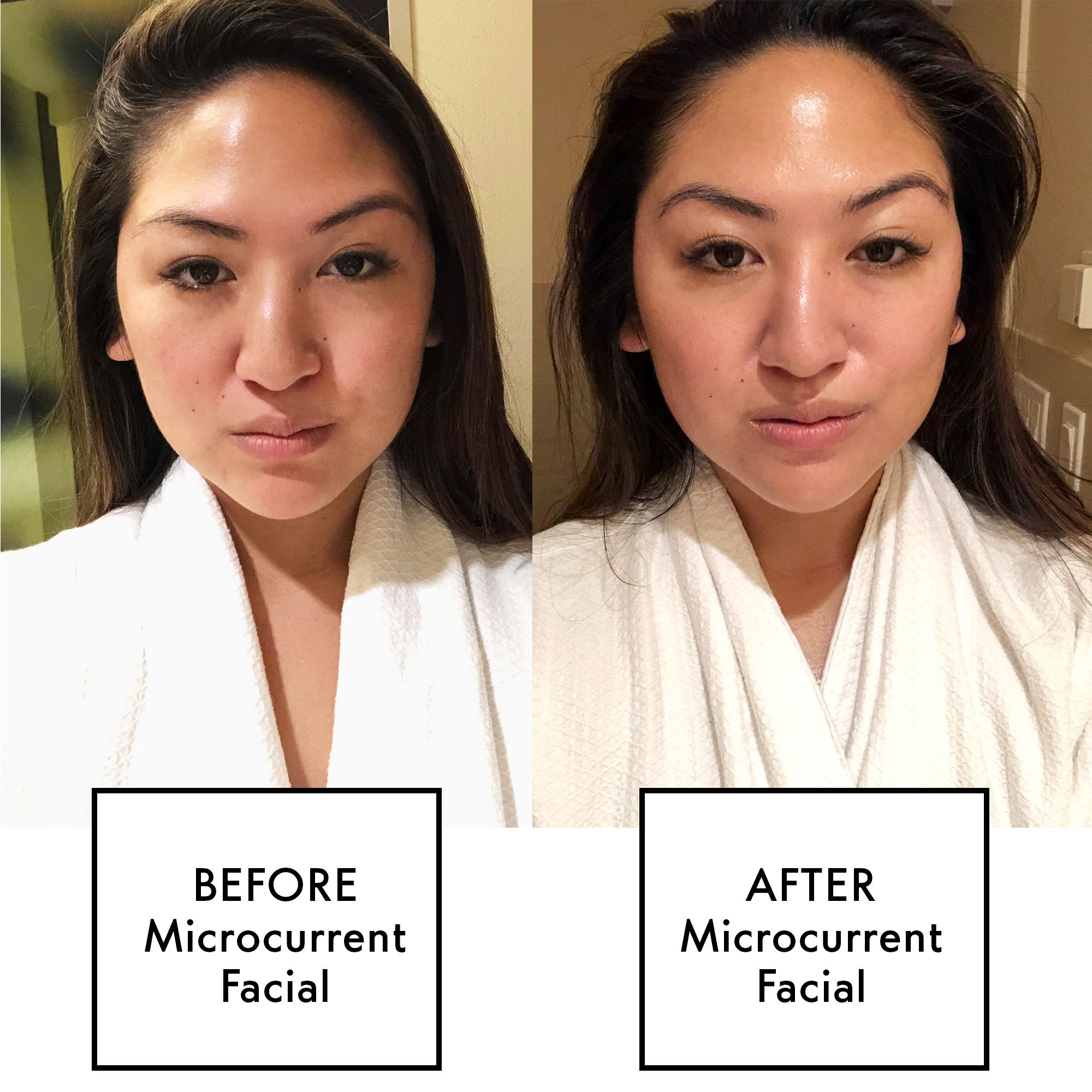
What Is a Microcurrent Facial?
A microcurrent facial is a non-invasive skincare treatment that uses low-level electrical currents to stimulate facial muscles, boost collagen production, and improve skin elasticity.
These currents mimic the body’s natural electrical signals, helping to “re-educate” muscles that have weakened over time.
Simple Definition
Think of it as a workout for your face—lifting, toning, and tightening without physical strain.
Why It’s Trending
- No needles or surgery
- Instant visible results
- Minimal to zero downtime
- Safe for most skin types
Unlike harsh treatments, this one works with your body rather than against it.
How Microcurrent Facial Works on the Skin
At its core, a microcurrent facial sends tiny electrical impulses into your skin and underlying muscles.
What Happens Beneath the Surface?
- Stimulates ATP (cellular energy production)
- Boosts collagen and elastin
- Improves blood circulation
- Enhances lymphatic drainage
This combination leads to firmer, brighter, and more youthful-looking skin.
The Science Behind It
ATP (adenosine triphosphate) is what fuels your cells. Studies suggest microcurrent can increase ATP production by up to 500%, which directly impacts skin repair and regeneration.
Muscle Re-Education
Over time, facial muscles lose tone. Microcurrent helps retrain them, resulting in:
- Lifted cheekbones
- Defined jawline
- Reduced sagging

Benefits of Microcurrent Facial Treatments
The benefits go beyond just looking good in the mirror.
Immediate Benefits
- Visible lifting effect
- Reduced puffiness
- Improved skin glow
Long-Term Benefits
- Increased collagen production
- Improved skin texture
- Reduced fine lines and wrinkles
Emotional Impact
There’s something powerful about seeing your face look refreshed without drastic changes. Many people report feeling more confident and comfortable in their skin.
Key Advantages
- Non-invasive
- Pain-free
- Suitable for regular use
Microcurrent Facial vs Other Anti-Aging Treatments
Let’s compare it with popular alternatives.
| Treatment Type | Invasiveness | Downtime | Results Speed | Longevity |
|---|---|---|---|---|
| Microcurrent Facial | None | None | Immediate | Moderate |
| Botox | Minimally | None | Few days | 3–6 months |
| Fillers | Minimally | 1–2 days | Immediate | 6–12 months |
| Facelift Surgery | High | Weeks | Long-term | Years |
Key Takeaway
Microcurrent facial is ideal for those who want subtle, natural results without commitment or risk.
Who Should (and Shouldn’t) Try Microcurrent Facial
Ideal Candidates
- People in their late 20s to 50s
- Those with mild to moderate skin laxity
- Anyone looking for preventative anti-aging
Who Should Avoid It
- Individuals with pacemakers
- Pregnant women
- People with epilepsy
Always consult a professional before starting.
What to Expect During a Microcurrent Facial Session
Walking into your first session can feel exciting—and a little mysterious.
Step-by-Step Process
- Cleansing the skin
- Application of conductive gel
- Gentle movement of probes across face
- Targeted muscle stimulation
- Hydration and finishing products
Sensation
Most people describe it as:
- Slight tingling
- Light muscle twitching
- Completely painless
Duration
- Typically 45–60 minutes
At-Home vs Professional Microcurrent Facial
With so many devices available, you might wonder which option is better.
Professional Treatments
Pros:
- Stronger currents
- Customized approach
- Immediate visible lift
Cons:
- Higher cost
- Requires appointments
At-Home Devices
Pros:
- Affordable long-term
- Convenient
- Easy to use
Cons:
- Slower results
- Lower intensity
Best Approach
Many experts recommend combining both for optimal results.
Results Timeline and Maintenance
One of the most exciting aspects of a microcurrent facial is how quickly you see changes.
Immediate Results
- Lifted appearance
- More defined contours
After Multiple Sessions
- Improved firmness
- Reduction in wrinkles
- Better skin texture
Maintenance Plan
- Weekly sessions initially
- Monthly maintenance afterward
Consistency is key—just like going to the gym.

Cost of Microcurrent Facial Treatments
Prices vary depending on location and expertise.
Average Costs
- Professional session: $75–$250
- At-home device: $150–$500
Is It Worth It?
If you compare it to surgical procedures, it’s significantly more affordable with fewer risks.
Potential Side Effects and Safety
While generally safe, it’s important to know the full picture.
Possible Side Effects
- Mild redness
- Temporary muscle fatigue
- Slight tingling
Safety Tips
- Always use FDA-cleared devices
- Follow instructions carefully
- Avoid overuse
Personal Background: The Rise of Microcurrent Technology
Microcurrent technology isn’t new—it dates back to the 1970s, originally used in physical therapy to heal injuries and stimulate muscles.
Evolution in Beauty Industry
Over time, skincare experts realized its potential for facial rejuvenation. What started in medical clinics quickly moved into luxury spas and now into everyday homes.
Career Influence
Top estheticians and dermatologists have embraced microcurrent facial treatments as part of modern anti-aging protocols.
Financial Impact
The global beauty device market has grown into a multi-billion-dollar industry, with microcurrent devices playing a significant role.
FAQs
What does a microcurrent facial actually do?
It stimulates facial muscles and boosts collagen, leading to firmer, lifted skin.
How often should I get a microcurrent facial?
Initially once a week, then monthly for maintenance.
Is microcurrent facial safe?
Yes, for most people, as long as proper guidelines are followed.
Can I do a microcurrent facial at home?
Absolutely, but results may be slower compared to professional treatments.
Does microcurrent facial hurt?
No, it’s generally painless with mild tingling sensations.
How long do results last?
Results can last several days to weeks, depending on consistency.
Is it better than Botox?
It depends—microcurrent offers natural results, while Botox provides more dramatic changes.
Can it reduce wrinkles?
Yes, especially fine lines and early signs of aging.
Conclusion
The beauty world is full of promises, but the microcurrent facial stands out because it actually delivers—subtle, natural, and science-backed results without invasive procedures.
It’s not a miracle overnight fix, but with consistency, it can genuinely transform how your skin looks and feels. Whether you choose professional treatments or an at-home device, the key is commitment.
In a world obsessed with quick fixes, this approach feels refreshingly balanced—gentle, effective, and aligned with your body’s natural processes.
And honestly? That’s what makes it worth trying.