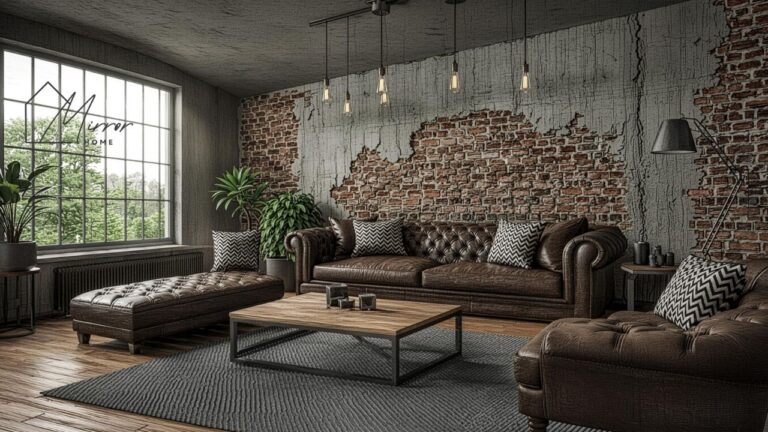
The moment you step through the front door, something shifts. The world outside fades, and your attention turns to the feeling of the house inside—the colors, the light, the scent of fresh wood or soft fabric, the quiet hum of comfort.
A well-designed house inside doesn’t just look good; it feels right. It supports your daily routines, reflects your personality, and creates a space where you can truly breathe. And in today’s fast-paced world, that emotional connection matters more than ever.
Whether you’re renovating, building from scratch, or simply refreshing a room, understanding how to shape a house inside with intention can transform not just your home—but your life.


Understanding the Concept of a House Inside
When people talk about a home, they often focus on curb appeal, architecture, or location. But what truly defines your experience is the house inside—the interior environment where you spend nearly 90% of your time, according to environmental studies.
What Does “House Inside” Really Mean?
The term refers to:
- Interior layout and floor plan
- Furniture arrangement
- Lighting design
- Wall colors and finishes
- Storage systems
- Emotional atmosphere
In simple terms, it’s the functional and aesthetic heart of your home.
Unlike exterior design, which impresses guests for a few minutes, the house inside influences your mood, productivity, sleep quality, and even relationships. Research from environmental psychology suggests that cluttered or poorly lit interiors can increase stress levels by up to 30%.
That’s powerful.
Why the House Inside Matters More Than Ever
Over the past decade, homes have evolved. They’re no longer just places to sleep. They’re offices, gyms, classrooms, and sanctuaries.
1. Remote Work Changed Interior Priorities
The global shift toward remote work forced millions to rethink their house inside. Kitchen tables became workstations. Living rooms doubled as meeting rooms.
This revealed one truth: interior flexibility matters.
2. Mental Health and Interior Spaces
Natural light, biophilic design, and organized spaces significantly impact emotional wellbeing. A thoughtfully arranged house inside promotes:
- Lower anxiety
- Better sleep
- Increased focus
- Stronger family interaction
In reality, interior design isn’t luxury anymore—it’s lifestyle optimization.
Core Elements of a Beautiful House Inside
Designing a compelling house inside requires attention to several interconnected components.
Layout & Flow
The layout determines how energy moves through your home. Open floor plans create visual space, while defined zones enhance functionality.
Key considerations:
- Clear walking paths
- Logical room transitions
- Balance between openness and privacy
- Natural light distribution
Lighting Design
Lighting shapes atmosphere more than furniture does.
A layered lighting approach includes:
- Ambient lighting (ceiling fixtures)
- Task lighting (desk lamps, kitchen lights)
- Accent lighting (wall sconces, LED strips)
Homes with optimized lighting often appear 20–30% larger visually.
Color Psychology
Colors influence mood in subtle yet profound ways.
| Color | Emotional Effect | Ideal Use |
|---|---|---|
| Blue | Calm, focus | Bedrooms, offices |
| Green | Balance, relaxation | Living rooms |
| Yellow | Energy, warmth | Kitchens |
| Gray | Sophisticated neutrality | Modern interiors |
Choosing the right palette transforms the house inside from ordinary to intentional.
Designing Each Room with Purpose
Every room serves a unique function. Let’s explore how to optimize them.
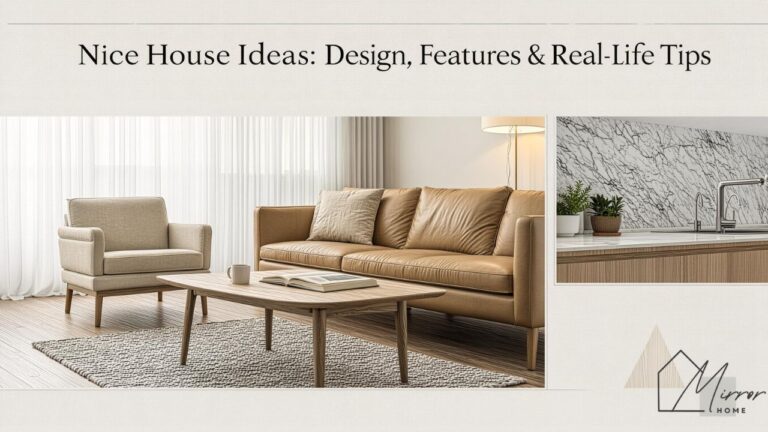
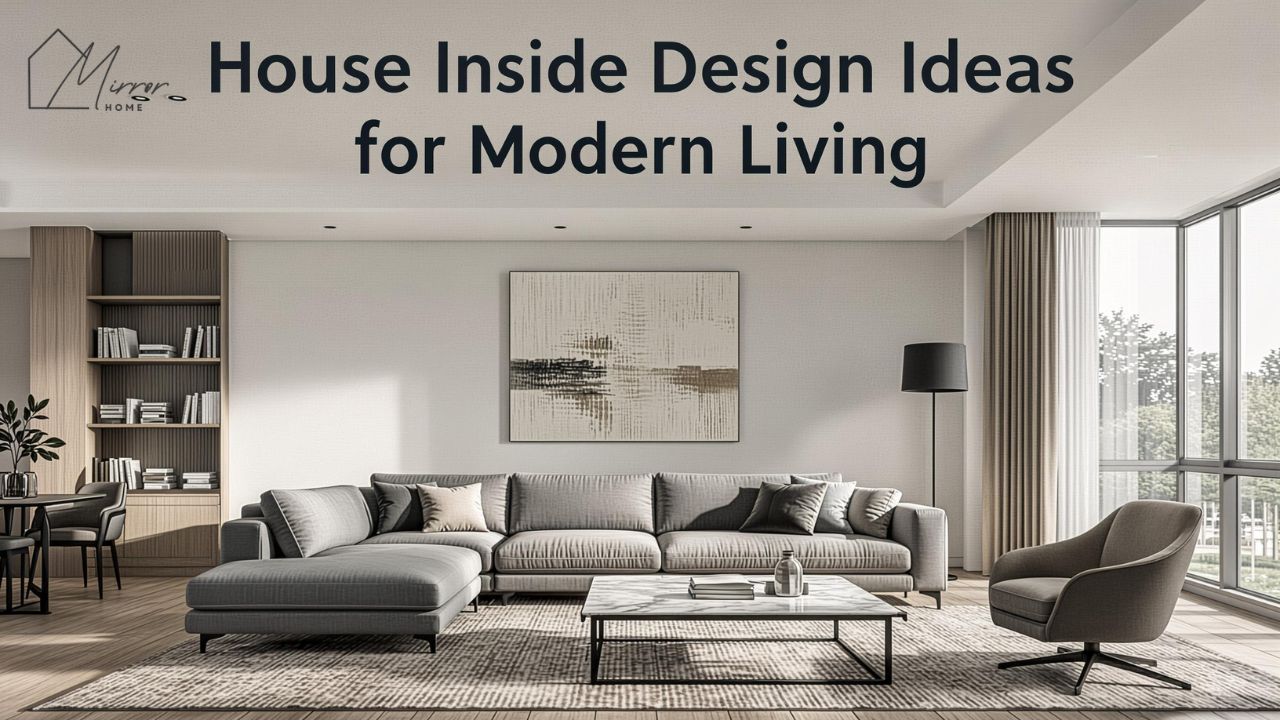
Living Room: The Social Core
The living room anchors the house inside.
Best practices:
- Center seating around conversation, not just TV
- Use rugs to define zones
- Incorporate texture (wood, fabric, metal)
- Maintain visual symmetry
Real-life example: A family of four redesigned their living room by removing bulky furniture and adding modular seating. The result? Increased usable space and more meaningful interaction.
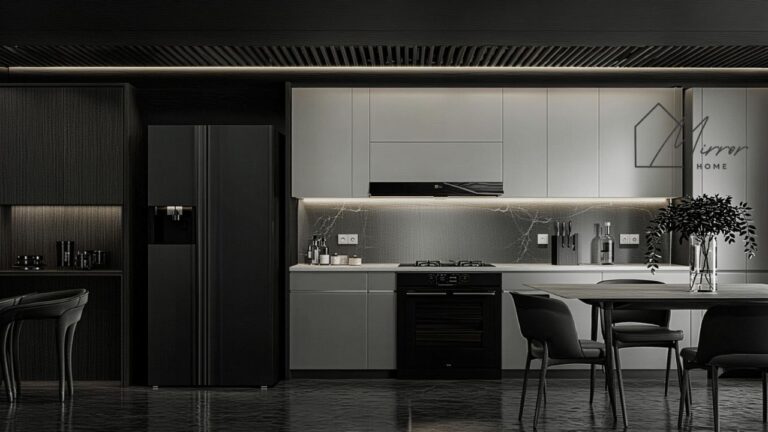
Kitchen: The Functional Heart
Modern kitchens are multifunctional hubs.
Priorities include:
- Efficient work triangle (sink, stove, refrigerator)
- Ample storage
- Under-cabinet lighting
- Durable surfaces
A well-designed kitchen increases property value significantly. According to remodeling reports, kitchen upgrades often deliver a 60–80% return on investment.
Bedroom: Your Private Retreat
Sleep quality depends heavily on the house inside environment.
Recommendations:
- Soft, neutral color schemes
- Blackout curtains
- Minimal electronics
- Layered bedding textures
Bedrooms designed with calm aesthetics improve sleep consistency and relaxation.
Bathroom: Small Space, Big Impact
Even compact bathrooms can feel luxurious.
Enhancement tips:
- Vertical storage
- Frameless mirrors
- Soft LED lighting
- Natural materials like stone or wood
In smaller homes, optimizing bathroom layout enhances overall house inside functionality.
Home Office: Productivity Zone
The rise of hybrid work models made home offices essential.
Key factors:
- Ergonomic seating
- Adjustable lighting
- Minimal distractions
- Sound insulation
A focused workspace prevents burnout and enhances performance.
Personal Background & Financial Insights in Home Design
Interior design isn’t only about aesthetics—it’s often shaped by financial journey and life stage.
Career & Home Evolution
Many homeowners begin with modest interiors. As careers grow, so do expectations from the house inside.
For instance:
- Early career: Multifunctional furniture
- Mid-career: Custom storage solutions
- Established professionals: Premium materials, smart automation
Achievements Reflected in Interior Choices
Interior upgrades often mirror milestones:
- First promotion → Home office upgrade
- Marriage → Open-concept redesign
- New child → Safety-focused modifications
Estimated Financial Impact
Strategic interior investments can:
- Increase resale value by 5–15%
- Improve rental income potential
- Reduce energy bills through efficiency upgrades
In other words, designing the house inside thoughtfully is both emotional and financial intelligence.
Common Mistakes When Designing a House Inside
Even beautiful homes can suffer from design missteps.
Overcrowding
Too much furniture shrinks perceived space.
Ignoring Storage
Hidden storage keeps interiors clean and breathable.
Poor Lighting Choices
Single overhead lighting creates harsh shadows.
Trend Chasing
Timeless design outlasts short-lived trends.
FAQ Section
What does house inside include?
It includes layout, furniture, lighting, color schemes, storage systems, and overall atmosphere.
How can I improve my house inside on a budget?
Repaint walls, declutter, upgrade lighting, and rearrange furniture for better flow.
Does interior design increase home value?
Yes. Well-executed interior improvements often raise property value by 5–15%.
What colors make a small house inside look bigger?
Light neutrals, whites, and soft grays create the illusion of spaciousness.
How important is lighting in a house inside?
Extremely important. Lighting affects mood, space perception, and functionality.
Should every room follow the same theme?
Not necessarily. Cohesion matters, but subtle variation keeps interiors dynamic.
What’s the biggest mistake in interior design?
Ignoring functionality for aesthetics.
How often should I update my interior?
Small updates every 2–3 years keep spaces fresh without major renovations.
Conclusion
At the end of the day, a house isn’t defined by its roofline or exterior paint. It’s defined by the house inside—the atmosphere that welcomes you after a long day, the quiet corner where you reflect, the kitchen where memories are cooked.
Designing intentionally doesn’t require a massive budget. It requires clarity, planning, and understanding how space affects emotion.
When you align layout, lighting, color, and purpose, something remarkable happens. Your house inside stops being just a structure—and becomes a living, breathing extension of who you are.