Sleep can feel frustratingly simple in theory and weirdly hard in real life. You go to bed tired, but your mind keeps racing, your phone steals another thirty minutes, and the next morning begins with a harsh alarm that feels more like an attack than a wake-up call. That is exactly why the hatch alarm clock keeps getting attention from people who want calmer nights and gentler mornings.
At first glance, it looks like another stylish bedside gadget. In reality, Hatch positions its Restore line as a phone-free sleep clock built to support bedtime routines, sunrise-style wakeups, and relaxing audio for sleep. The company’s current Restore 3 is marketed as a smart sleep clock for adults, with guided routines, sleep sounds, and a gradual light alarm instead of the usual jarring beep. It also includes a 30-day Hatch+ trial, and Hatch lists the device at $169.99 on its official site.
What makes this topic matter is simple. Many people are not just shopping for an alarm clock anymore. They are looking for a better sleep experience. Research-backed sleep guidance consistently points to light exposure and circadian rhythm timing as major factors in how alert or sleepy we feel. Morning light can help shift the body clock earlier, while poor light habits and irregular routines can work against restful sleep.
If you have been wondering whether this device is worth the price, whether it actually helps, or whether it is mostly good branding wrapped around a lamp, this guide breaks it down in plain English.
What is the hatch alarm clock?
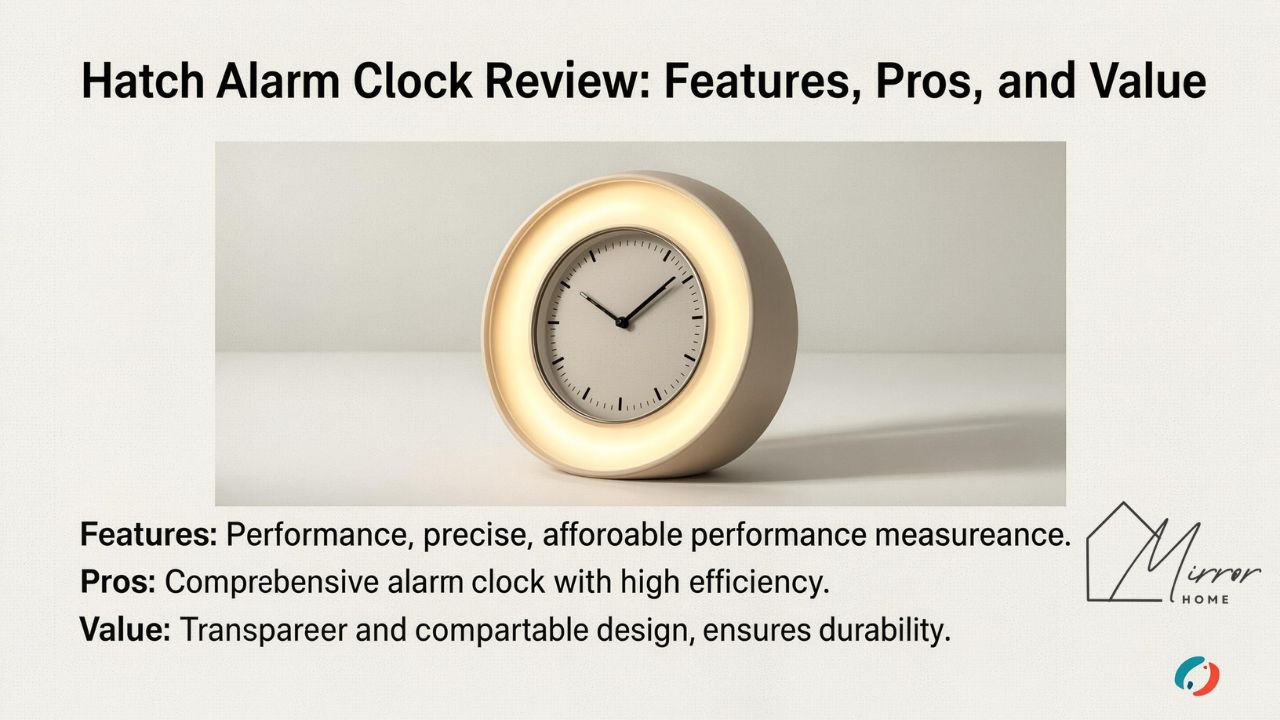
The term hatch alarm clock usually refers to Hatch Restore, especially the newer Restore 3 model. It is not just a clock that wakes you up. It combines several sleep-focused tools in one bedside device:
- sunrise-style wake light
- sound machine
- guided bedtime routine
- phone-connected setup
- sleep and wake audio
- soft night light
- minimal bedside controls
Hatch describes Restore 3 as a “smart sleep clock” designed to help users build gentle, phone-free sleep routines. That wording matters because the product is clearly aimed at behavior change, not only timekeeping. It is trying to replace the habit of falling asleep with your phone nearby and waking up to a loud alarm.
That is also why the product gets mentioned in conversations about sleep hygiene, bedroom wellness, and morning routine improvement. People are not buying it because they forgot how alarms work. They are buying it because they want bedtime to feel calmer and mornings to feel less miserable.
A simple definition
A Hatch Restore is a bedside sleep device that uses light, audio, and routines to help you wind down at night and wake up more gradually in the morning. It sits somewhere between a sound machine, a sunrise alarm, and a smart wellness gadget.
Why it stands out
Most alarm clocks only do one thing. Hatch tries to guide the full sleep window:
- evening wind-down
- nighttime sound support
- morning wake-up light
- audible alarm if needed
That full-cycle approach is the real pitch.
Why people are switching to sunrise alarm clocks
There is a reason sunrise alarms feel more appealing than loud traditional alarms. They work with light, and light is one of the strongest signals affecting the body’s sleep-wake rhythm. The human circadian system responds strongly to light timing, and morning light exposure plays an important role in signaling wakefulness.
Sleep Foundation also notes that sunrise alarm clocks may support circadian rhythm and offer a gentler alternative to abrupt alarms. That lines up with what many users actually want: less stress at wake-up, not more.
Here is the real-life appeal:
- You wake up more gradually.
- The room feels less harsh than turning on a bright overhead light.
- You are less likely to start the day feeling startled.
- You may stop using your phone as both bedtime entertainment and morning alarm.
That last point is bigger than it sounds. Even outside official product marketing, sleep writers and users often mention that replacing a phone alarm can reduce late-night scrolling and improve the feeling of having a calmer bedroom routine.
Light matters more than many people realize
Your body does not wake based on willpower alone. It reacts to cues. One of the strongest cues is light. Morning light helps suppress melatonin and tells the body it is time to become alert. Evening and nighttime light can do the opposite by shifting the body clock later.
That does not mean a sunrise alarm clock is magic. It does mean the concept behind it is grounded in how sleep timing works.
Main features of the hatch alarm clock
When people look up the hatch alarm clock, they usually want to know what it actually does day to day. Here are the core features that define the experience.
Sunrise alarm
This is the feature most people care about first. Instead of waking you with a sudden loud sound, the light gradually brightens before your chosen wake time. On the official product page, Hatch highlights sunrise-style waking as part of a gentler morning routine.
Sleep sounds and audio library
Restore devices are designed to play audio for falling asleep, staying asleep, or building bedtime habits. Hatch says Restore can play sounds for a few minutes or all night long, which matters if you prefer background sound while sleeping.
Typical categories may include:
- white noise
- rain sounds
- ocean sounds
- meditations
- sleep stories
- breathing exercises
- gentle wake tones
Bedtime routines
This is where the product feels more premium than a normal clock. Instead of one alarm, you can build a sequence for winding down. That might include dim light, quiet audio, and a simple routine cue that tells your brain the day is ending.
Minimal screen feel
Hatch markets Restore as keeping the room restful, with no glaring lights. The time display is subtle, and there is also a gentle night light option. That matters for people who hate bright electronics in the bedroom.
App-based setup
The Restore 3 quickstart guide says users download the Hatch Sleep app and connect the device during setup. So yes, it is meant to be configured through an app, even though the bedside experience is designed to feel less phone-dependent afterward.
Hatch Restore 3 at a glance
If you are evaluating the current model, this quick table gives you the basics.
| Feature | Hatch Restore 3 |
|---|---|
| Product type | Smart sleep clock |
| Main purpose | Sleep routines and gentler wake-ups |
| Wake method | Sunrise light + audio alarm |
| Audio | Sleep sounds and guided content |
| Setup | Hatch Sleep app |
| Trial | 30 days of Hatch+ included |
| Listed price | $169.99 |
| Colors listed | Putty, Greige, Cocoa |
| Extras | Free shipping and returns, 1-year warranty, 30-night bedside trial |
Source details are based on Hatch’s official product and learning pages.
Is it only for adults?
The Restore line is specifically positioned on Hatch’s site as the adult sleep product, while the company also sells baby and kids sleep devices separately.
Is it expensive?
Compared with a basic alarm clock, yes. Compared with buying a separate sound machine, bedside light, and wellness-focused sleep gadget, the price makes more sense. Whether that feels reasonable depends on how much value you place on your sleep environment.
Benefits for sleep and morning routines
A good review should be honest here. The hatch alarm clock does not guarantee better sleep for everyone. But it does address several very common sleep problems in one product.
1. It encourages a more consistent routine
People sleep better when their habits are more regular. A bedtime routine sounds boring until you realize how much inconsistency wrecks sleep. If a device makes you more likely to dim the room, stop scrolling, and follow a predictable pattern, that is real value.
2. It makes wake-ups feel gentler
This is probably the most immediate benefit. A brightening light feels different from a sharp noise. It can reduce that unpleasant, sudden jolt first thing in the morning.
3. It helps move the phone away from the pillow
This may be one of the most underrated benefits. If your phone is currently your alarm, your music player, your late-night scroll machine, and your first morning distraction, replacing that setup can be surprisingly helpful.
4. It adds audio without adding clutter
A lot of bedrooms end up with too many devices. Lamp, speaker, clock, charger, white noise machine. Hatch merges several of those functions into one bedside product.
5. It supports a low-stimulation sleep environment
A restful bedroom is usually quieter, dimmer, and less demanding. Hatch leans hard into that low-stimulation design philosophy. The company specifically says Restore is designed to keep the room restful rather than filling it with bright display light.
Pros and cons you should know
No product is perfect, and this one definitely is not. Here is the practical version.
Pros
Gentle wake-up experience
The sunrise alarm concept is the biggest win. For many people, this alone makes the device feel more premium and more humane than a standard alarm.
Helpful for bedtime structure
If you struggle with sleep procrastination, having a built-in routine can help you stop treating bedtime like an afterthought.
Attractive design
The Restore line has a clean, bedroom-friendly look. That sounds minor, but it matters for something that lives on your nightstand every day.
Multi-use device
It functions as an alarm, sound machine, light, and sleep routine tool in one place.
Reduced phone dependence at night
This is a meaningful lifestyle benefit, not just a nice extra.
Cons
The price is high
At $169.99 for Restore 3, this is not an impulse buy. It sits in premium territory.
Some features are tied to Hatch+
The official product page notes that 30 days of Hatch+ are included, which tells you that part of the experience is linked to a subscription content model. People who dislike subscriptions may see that as a drawback.
App setup may annoy some users
If you want a plug-and-play clock with no ecosystem, this is not that.
It is still a tool, not a cure
If your sleep problems come from stress, untreated sleep apnea, inconsistent work shifts, or a medical issue, no bedside device will solve the root cause on its own.
Who should buy the hatch alarm clock?
The hatch alarm clock is a better fit for some people than others. That is worth saying clearly, especially at this price.
Best for:
- light sleepers who prefer gentle wake-ups
- people trying to break the phone-in-bed habit
- adults building a consistent sleep routine
- anyone who likes white noise or calming bedtime audio
- shoppers who value design and bedroom aesthetics
- people who hate harsh alarms
Probably not ideal for:
- shoppers on a tight budget
- people who just need a basic alarm
- users who dislike apps or subscriptions
- anyone expecting it to fix serious sleep problems by itself
Real-life buying question
Ask yourself this: are you shopping for a clock, or are you trying to improve your sleep environment?
If it is only about telling time and waking up, cheaper options exist. If it is about building a calmer night routine and less stressful morning, the Hatch pitch makes more sense.
Setup, app experience, and subscription details
The Restore 3 quickstart guide shows a pretty straightforward onboarding flow. You plug in the device, download the Hatch Sleep app, and connect the product during setup. Hatch also says to keep the device plugged in at all times.
What setup usually involves
- Plug in the device.
- Download the Hatch app.
- Connect Restore to your phone.
- Customize your bedtime and wake settings.
- Choose light and audio preferences.
Subscription piece
The official product listing states that Restore 3 includes 30 days of Hatch+. That suggests at least part of the full content experience lives behind the membership layer. Before buying, it is smart to check what content remains available without a subscription and what expands with Hatch+.
Is the app a dealbreaker?
Not necessarily. For many people, the app is only needed for setup and customization. But if you specifically want a totally offline, old-school device, then this part may bother you.
Hatch alarm clock vs traditional alarm clocks
This comparison makes the buying decision easier.
| Category | Hatch Restore 3 | Traditional Alarm Clock |
|---|---|---|
| Wake-up style | Gradual light + sound | Sudden sound |
| Sleep support | Yes | Usually no |
| Sound machine | Yes | Rare |
| Bedtime routine tools | Yes | No |
| App connection | Yes | Usually no |
| Price | Premium | Budget to moderate |
| Design intent | Sleep wellness | Basic utility |
A traditional clock wins on simplicity and price. Hatch wins on experience.
That is the heart of the comparison. One wakes you up. The other tries to shape your evening and morning behavior in a more intentional way.
How to get the most value from it
Buying a smart sleep clock and then using it like a normal alarm is a waste. To really benefit from the product, you need to use the features that justify the cost.
Build a repeatable evening routine
Use the wind-down sequence at the same time most nights. Consistency matters more than perfection.
Move your phone away from the bed
This is one of the easiest wins. Let the clock be the clock.
Use the sunrise feature for at least two weeks
A lot of people judge sleep products too fast. Give your body time to adjust.
Pair it with better sleep basics
A device works better when the rest of your habits are not fighting it. Try to support it with:
- regular bedtime
- reduced late caffeine
- cooler room temperature
- dimmer evening light
- less screen exposure before sleep
Keep expectations realistic
This product can improve the feel of your sleep routine. It cannot replace medical care, stress management, or major lifestyle changes.
FAQ
Frequently Asked Questions
What is a hatch alarm clock used for?
A hatch alarm clock is used to support bedtime routines, play sleep audio, and wake you more gently with sunrise-style light and sound. Hatch’s Restore line is designed as a smart sleep clock rather than a basic alarm.
Does the hatch alarm clock really help with sleep?
It can help some people by supporting a more consistent routine, reducing harsh wake-ups, and replacing phone use at bedtime. However, results vary, and it is not a medical treatment for serious sleep disorders.
Does Hatch Restore need an app?
Yes. Hatch’s quickstart materials for Restore 3 show that setup includes downloading the Hatch Sleep app and connecting the device through it.
Is the hatch alarm clock worth the money?
It can be worth it if you want a premium sleep-focused bedside device and will actually use the light, sound, and routine features. If you only need a simple alarm, it may feel overpriced.
Does Hatch Restore have a subscription?
Hatch says Restore 3 includes 30 days of Hatch+, which indicates that subscription-based content is part of the ecosystem. Buyers should review what is included before and after the trial.
How much does the hatch alarm clock cost?
Hatch lists Restore 3 at $169.99 on its official website as of April 13, 2026.
Is Hatch Restore only for adults?
The Restore line is positioned by Hatch as the adult sleep product, while the company offers separate sleep products for babies and kids.
Can a sunrise alarm clock improve mornings?
It may. Sleep experts and sleep publishers note that sunrise alarms can offer a gentler waking experience and may help support circadian rhythm by simulating morning light.
Conclusion
The hatch alarm clock is not a miracle device, and it is definitely not cheap. Still, it solves a very modern problem in a thoughtful way. A lot of people do not just need help waking up. They need help creating a bedroom routine that feels calmer, less screen-heavy, and less chaotic.
That is where Hatch makes its case. It combines sunrise waking, sleep audio, and bedtime structure into one polished product that feels more intentional than a regular alarm clock. For people who value sleep hygiene, hate being jolted awake, and want a better start and end to the day, it can be a smart purchase. For people who only need a loud alarm and a snooze button, it is probably more device than they need.
The best way to think about it is this: you are not buying timekeeping. You are buying a sleep experience. Whether that feels worth $169.99 depends on how badly you want your nights and mornings to feel better.