Introduction
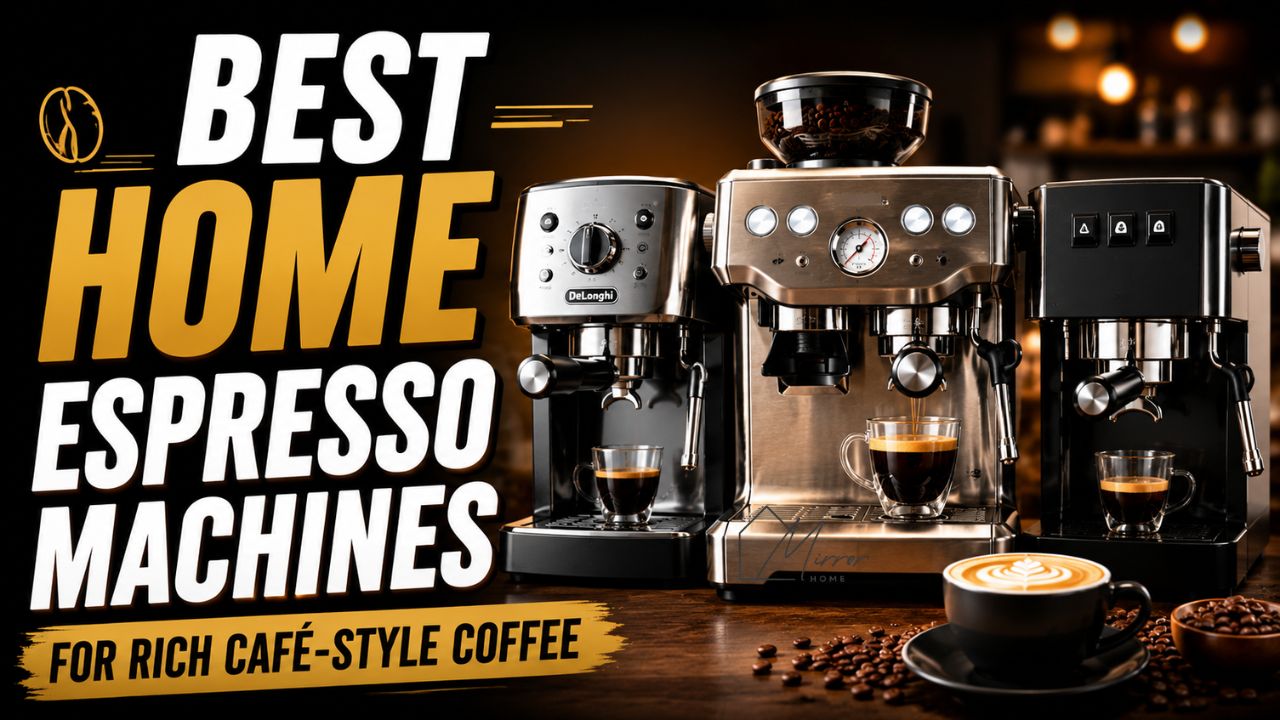
There’s something deeply satisfying about pulling a perfect espresso shot at home. The aroma fills the kitchen, the crema settles beautifully on top, and suddenly your ordinary morning feels a little more luxurious. Over the last few years, coffee culture has exploded, and more people are searching for the best home espresso machines to recreate café-quality drinks without standing in line or spending a fortune every week.
The truth is, a great espresso machine can completely transform your daily routine. Whether you love silky cappuccinos, strong straight espresso, or iced lattes that taste better than your local coffee shop, the right machine makes all the difference. However, choosing one isn’t always easy. Some machines are beginner-friendly while others require genuine barista skills.
That said, finding the perfect setup doesn’t need to feel overwhelming. This guide breaks down everything you need to know, from machine types and brewing pressure to milk frothing and long-term value. By the end, you’ll know exactly which espresso machine suits your budget, kitchen, and coffee habits.
Understanding Espresso Machines
Espresso machines are designed to force hot water through finely ground coffee under pressure. Unlike drip coffee makers, these machines create concentrated coffee shots with rich flavor and creamy crema.
Most experts agree that proper espresso extraction happens around 9 bars of pressure. High-quality machines also maintain consistent temperature, which is critical for balanced flavor. Even slight temperature fluctuations can make espresso taste bitter or sour.
Modern home espresso makers now offer impressive technology. Some feature digital temperature control, integrated grinders, touch screens, and automatic milk frothing systems. Others stay intentionally simple for people who enjoy the hands-on brewing process.
In reality, the best machine isn’t necessarily the most expensive one. The ideal choice depends on how often you brew coffee, how involved you want to be, and how much counter space you can spare.
Types of Home Espresso Machines
Manual Espresso Machines
Manual machines give you complete control over pressure and extraction. They appeal to coffee purists who enjoy experimentation.
Pros:
- Full control over brewing
- Rich, customizable espresso
- Beautiful traditional design
Cons:
- Steep learning curve
- Requires practice and patience
- Slower brewing process
These machines often attract serious coffee enthusiasts who see espresso making as a craft rather than a quick morning task.
Semi-Automatic Espresso Machines
Semi-automatic models are among the most popular options in the world of best home espresso machines. They automate water pressure but allow users to control grind size, tamping, and shot timing.
This balance between convenience and control makes them ideal for most households.
Fully Automatic Espresso Machines
Fully automatic machines simplify the process dramatically. Press a button, and the machine handles extraction automatically.
These machines are perfect for busy people who still want quality espresso without spending ten minutes preparing every cup.
Super-Automatic Espresso Machines
Super-automatic machines do nearly everything. They grind beans, tamp coffee, pull espresso shots, and froth milk automatically.
Although they cost more upfront, they provide unmatched convenience.
How to Choose the Best Home Espresso Machines
Buying an espresso machine can feel intimidating because there are countless brands and technical specifications. However, focusing on a few core factors makes the decision easier.
Budget
Prices range from under $100 to several thousand dollars.
Here’s a simple breakdown:
| Budget Range | What to Expect |
|---|---|
| Under $200 | Entry-level machines, limited features |
| $200–$700 | Better pressure control and milk frothing |
| $700–$1500 | Premium build quality and advanced features |
| $1500+ | Commercial-grade performance |
Spending more generally improves durability and consistency, but many affordable machines still deliver excellent espresso.
Ease of Use
Some people enjoy measuring coffee doses and dialing in grind settings. Others simply want quick caffeine before work.
If convenience matters most, look for:
- Automatic milk frothing
- Touchscreen controls
- Built-in grinders
- Programmable drink settings
Kitchen Space
Large espresso machines can dominate countertops. Before buying, measure your available space carefully.
Compact models work well for apartments or smaller kitchens.
Drink Preferences
Your favorite coffee drinks should guide your purchase.
If you mainly drink:
- Straight espresso: prioritize extraction quality
- Cappuccinos and lattes: prioritize steam wand performance
- Multiple daily drinks: prioritize speed and reliability
Best Home Espresso Machines for Beginners
Breville Bambino Plus
The Breville Bambino Plus consistently ranks among the best home espresso machines for newcomers.
Key highlights:
- Fast heat-up time
- Automatic milk frothing
- Compact design
- Beginner-friendly controls
Many first-time users love how forgiving it feels. Even imperfect technique still produces surprisingly good espresso.
De’Longhi Stilosa
This affordable machine offers excellent value for budget-conscious coffee lovers.
Why beginners like it:
- Affordable pricing
- Simple controls
- Decent steam wand
- Compact footprint
Although it lacks advanced temperature stability, it performs impressively for the price.
Philips 3200 Series
For people who want true convenience, the Philips 3200 delivers one-touch espresso drinks with minimal effort.
Features include:
- Built-in ceramic grinder
- Automatic milk system
- Easy touchscreen interface
- Customizable drink profiles
It’s especially popular among busy professionals.
Best Home Espresso Machines for Coffee Enthusiasts
Rancilio Silvia
The Rancilio Silvia has achieved near-legendary status among home baristas.
Reasons enthusiasts love it:
- Commercial-grade components
- Exceptional durability
- Powerful steam wand
- Excellent extraction quality
However, it requires patience and practice.
Gaggia Classic Pro
The Gaggia Classic Pro combines affordability with serious espresso capability.
Coffee enthusiasts appreciate:
- Professional steam wand
- Solid stainless steel construction
- Reliable pressure performance
- Modding potential
Many users keep this machine for years and gradually upgrade accessories around it.
Lelit Mara X
The Lelit Mara X delivers café-level espresso in a compact footprint.
Highlights include:
- Heat exchange system
- Stable temperature control
- Quiet operation
- Premium build quality
For many serious coffee drinkers, it represents the sweet spot between performance and size.
Best Budget Espresso Machines
Not everyone wants to spend a small fortune on coffee equipment. Thankfully, several affordable models still produce satisfying espresso.
Mr. Coffee Café Barista
This machine is easy to use and ideal for casual coffee drinkers.
Pros:
- Automatic milk frother
- Beginner-friendly operation
- Affordable pricing
Cons:
- Limited customization
- Plastic-heavy build
Nespresso VertuoPlus
Although technically a pod system, the VertuoPlus delivers quick espresso-like drinks with remarkable consistency.
For busy households, convenience alone can outweigh the lack of traditional espresso extraction.
Gevi Espresso Machine
Gevi has become increasingly popular for entry-level buyers.
Its main strengths include:
- Low price point
- Compact design
- Easy operation
- Surprisingly decent crema
Premium Espresso Machines Worth the Investment
Breville Oracle Touch
The Oracle Touch bridges the gap between automatic convenience and professional performance.
Premium features include:
- Automatic grinding and tamping
- Touchscreen drink customization
- Powerful steam system
- Dual boiler setup
For families or serious coffee lovers, this machine can replace frequent café visits entirely.
La Marzocco Linea Mini
The Linea Mini is widely respected in specialty coffee circles.
What makes it special:
- Commercial-level temperature stability
- Exceptional craftsmanship
- Powerful dual boilers
- Stunning design
This machine isn’t just an appliance. It’s often viewed as a statement piece for passionate coffee enthusiasts.
Jura Z10
Jura machines are famous for automation and luxury.
The Z10 stands out because it:
- Makes hot and cold brew specialties
- Uses advanced grinder technology
- Offers one-touch drink preparation
- Requires minimal maintenance
Essential Features to Look For
Pressure System
Nine bars of brewing pressure remains the industry standard for proper espresso extraction.
Some cheaper machines advertise 15 or 20 bars, but consistency matters more than maximum pressure.
Temperature Stability
Stable temperature creates balanced espresso flavor.
Look for machines with:
- PID temperature control
- Thermoblock systems
- Dual boiler systems
Build Quality
Machines built with stainless steel components generally last longer than plastic-heavy alternatives.
Durability becomes especially important if you make multiple drinks daily.
Steam Wand Quality
A powerful steam wand dramatically improves latte and cappuccino quality.
Weak steam pressure often creates large bubbles instead of silky microfoam.
Espresso Grinder vs Built-In Grinder
One of the biggest debates in home coffee brewing revolves around grinders.
Separate Grinder Advantages
Dedicated grinders usually provide:
- Better grind consistency
- More adjustment settings
- Easier maintenance
- Longer lifespan
Serious coffee enthusiasts often prefer separate grinders for maximum control.
Built-In Grinder Advantages
Machines with integrated grinders offer:
- Convenience
- Less countertop clutter
- Faster workflow
- Beginner-friendly operation
For many households, simplicity outweighs the slight reduction in grind precision.
Milk Frothing and Latte Performance
Milk texture can make or break milk-based drinks.
The best home espresso machines create creamy microfoam suitable for latte art.
Automatic Frothers
Automatic systems simplify milk preparation tremendously.
Benefits include:
- Consistency
- Faster drink preparation
- Beginner-friendly operation
However, they sometimes produce less silky foam than manual steam wands.
Manual Steam Wands
Manual steam wands require practice but reward users with superior texture.
Professional baristas often prefer manual control because it allows:
- Better microfoam texture
- Temperature precision
- Latte art creation
Common Espresso Mistakes to Avoid
Even expensive equipment won’t guarantee perfect coffee if technique is poor.
Using Stale Beans
Fresh coffee beans dramatically improve espresso flavor.
Ideally, beans should be used within 2–4 weeks of roasting.
Incorrect Grind Size
Espresso requires fine, consistent grinding.
If shots pull too quickly, the grind is probably too coarse. If extraction feels painfully slow, the grind may be too fine.
Poor Tamping Technique
Uneven tamping creates channeling, which leads to inconsistent extraction.
Applying firm, even pressure helps water flow uniformly through the coffee puck.
Ignoring Water Quality
Surprisingly, water quality affects flavor more than many people realize.
Filtered water generally improves espresso taste while also reducing mineral buildup inside machines.
Cleaning and Maintenance Tips
Proper maintenance extends machine lifespan significantly.
Daily Cleaning
After every use:
- Purge the steam wand
- Rinse the portafilter
- Empty the drip tray
- Wipe down surfaces
These simple habits prevent buildup and maintain flavor quality.
Weekly Maintenance
Once a week:
- Backflush the machine
- Clean group heads
- Soak filter baskets
- Wash milk containers thoroughly
Descaling
Mineral buildup eventually affects temperature and pressure performance.
Most manufacturers recommend descaling every few months depending on water hardness.
Real-Life Cost Savings of Home Espresso Brewing
Coffee shop visits add up surprisingly fast.
Let’s consider a realistic example:
| Daily Café Habit | Annual Cost |
| $5 latte every weekday | About $1,300 |
| $7 specialty drink daily | Over $2,500 |
A high-quality espresso machine often pays for itself within one or two years.
In reality, many coffee enthusiasts also discover emotional benefits beyond financial savings. Brewing coffee at home becomes relaxing, creative, and genuinely enjoyable.
Personal Background of Modern Home Coffee Culture
The rise of home espresso culture didn’t happen overnight. During the early 2000s, specialty coffee shops introduced millions of people to higher-quality espresso drinks. Soon afterward, social media platforms amplified interest in latte art, brewing methods, and café aesthetics.
Today, coffee has evolved into both a lifestyle and hobby. Countless creators share brewing tutorials online, while companies continue developing smarter and more accessible machines.
The home coffee equipment market has also become incredibly valuable. According to industry estimates, the global espresso machine market is worth billions of dollars and continues growing steadily each year.
Brands like Breville, De’Longhi, Jura, and La Marzocco have built strong reputations by combining engineering innovation with user-friendly design. Some luxury machines even retain resale value surprisingly well.
Interestingly, many home baristas eventually treat espresso brewing as a creative ritual rather than a simple caffeine routine. People invest in grinders, scales, tampers, and handcrafted ceramic cups because the experience itself becomes meaningful.
Choosing the Right Beans for Espresso
Even the best equipment struggles with poor-quality coffee beans.
Dark Roast vs Medium Roast
Traditional espresso often uses darker roasts because they produce bold, chocolatey flavors with heavier body.
However, medium roasts have become increasingly popular in specialty coffee because they preserve fruity and floral notes.
Single-Origin vs Blends
Single-origin beans come from one region or farm.
Advantages:
- Unique flavor characteristics
- Greater complexity
- Distinct tasting notes
Blends combine beans from multiple regions.
Advantages:
- Balanced flavor
- Better consistency
- Often easier for beginners
Storage Tips
To preserve freshness:
- Store beans in airtight containers
- Keep away from sunlight
- Avoid refrigeration
- Buy smaller quantities more frequently
Why Pressure and Temperature Matter
Espresso extraction is incredibly sensitive.
Water that’s too hot creates bitterness, while cooler water often leads to sour flavors. Similarly, inconsistent pressure affects crema quality and extraction balance.
That’s why advanced machines often include PID controllers, dual boilers, or pre-infusion systems.
Pre-Infusion Explained
Pre-infusion gently wets coffee grounds before full pressure extraction.
Benefits include:
- More even extraction
- Better flavor clarity
- Improved crema texture
Many premium machines now include programmable pre-infusion settings.
Smart Features in Modern Espresso Machines
Technology has changed coffee brewing dramatically.
Today’s machines may include:
- Wi-Fi connectivity
- User drink profiles
- Automatic cleaning cycles
- Touchscreen controls
- Smartphone integration
Some models can even remember preferred milk texture and coffee strength settings for different family members.
However, not every coffee lover wants high-tech complexity. Some people still prefer traditional lever machines because they feel more authentic and tactile.
Best Home Espresso Machines for Small Kitchens
Counter space matters more than many buyers expect.
Compact Machine Recommendations
Breville Bambino
The Bambino remains one of the best compact espresso machines available.
Nespresso Essenza Mini
Tiny footprint and fast brewing make it ideal for apartments.
De’Longhi Dedica
Slim design allows it to fit comfortably in tighter spaces.
When shopping for smaller kitchens, consider:
- Water tank accessibility
- Bean hopper size
- Steam wand clearance
- Overall depth and height
Sustainability and Eco-Friendly Brewing
Environmental concerns increasingly influence purchasing decisions.
Reusable Filters and Pods
Reusable systems reduce plastic and aluminum waste significantly.
Energy Efficiency
Modern machines often include:
- Auto shut-off timers
- Eco modes
- Faster heat-up systems
Buying Durable Equipment
Long-lasting machines create less waste over time.
Instead of replacing cheap appliances every few years, many coffee lovers prefer investing once in durable equipment.
FAQ
What are the best home espresso machines for beginners?
Machines like the Breville Bambino Plus, Philips 3200, and De’Longhi Stilosa are excellent for beginners because they balance simplicity with reliable espresso quality.
How much should I spend on an espresso machine?
Most people find excellent value between $300 and $800. However, serious enthusiasts may prefer premium machines costing over $1,500.
Do expensive espresso machines make better coffee?
Usually, yes. More expensive machines often provide better temperature stability, stronger steam power, and longer durability. That said, technique still matters greatly.
Is a built-in grinder worth it?
For convenience, absolutely. Built-in grinders simplify workflow and save space. However, dedicated grinders often produce more consistent results.
How long do home espresso machines last?
High-quality machines can last 10 years or longer with proper maintenance and regular cleaning.
Can I make café-quality lattes at home?
Yes. With fresh beans, proper milk frothing, and a capable machine, homemade lattes can rival professional cafés.
What type of espresso machine is easiest to use?
Super-automatic machines are the easiest because they handle grinding, extraction, and milk frothing automatically.
Are pod espresso machines good?
Pod systems are convenient and consistent, although they typically lack the depth and customization of traditional espresso machines.
How often should I descale my espresso machine?
Most machines should be descaled every two to three months depending on water hardness and usage frequency.
Conclusion
Finding the best home espresso machines ultimately comes down to understanding your coffee habits, budget, and expectations. Some people want the convenience of one-touch brewing, while others genuinely enjoy mastering extraction techniques and steaming milk manually.
What’s exciting is that home espresso technology has improved dramatically. Today, even moderately priced machines can deliver café-worthy drinks with impressive consistency. Whether you choose a beginner-friendly automatic model or a professional-grade semi-automatic machine, investing in quality equipment can elevate your mornings in ways that feel surprisingly rewarding.
At the end of the day, the perfect espresso machine isn’t simply about specs or price tags. It’s about creating moments you look forward to every single day — the sound of fresh beans grinding, the aroma of espresso filling your kitchen, and that first rich sip that makes everything feel just a little better.