Introduction
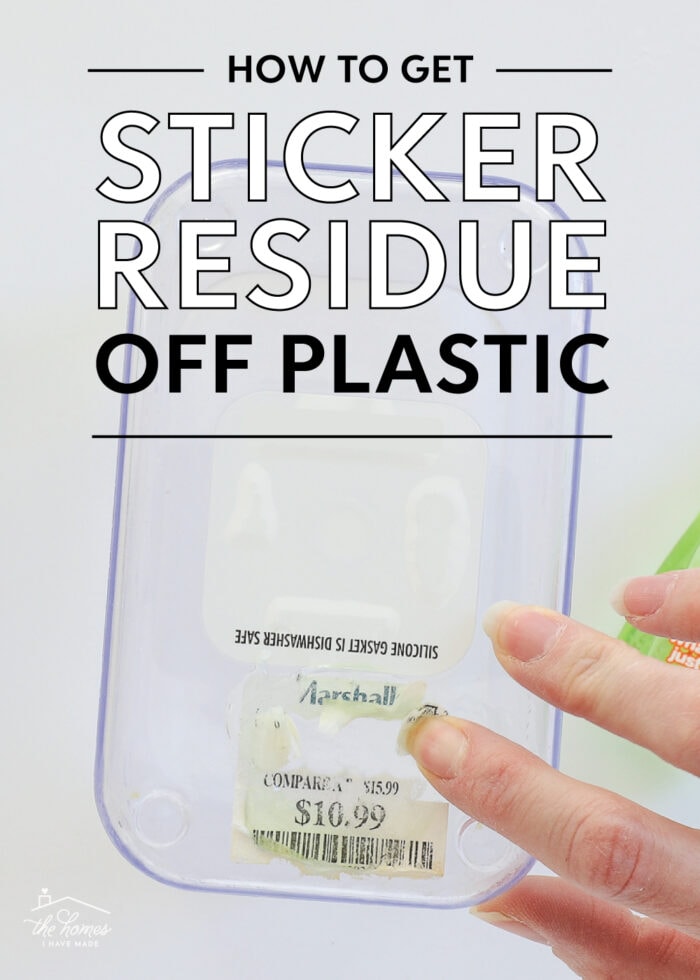
Sticky residue has a way of turning small chores into big annoyances. Whether it’s price tags on glass jars, tape marks on windows, or old labels on plastic containers, that stubborn gunk never seems to leave quietly. That’s usually when people reach for a commercial remover—but not everyone wants to rely on the same product every time.
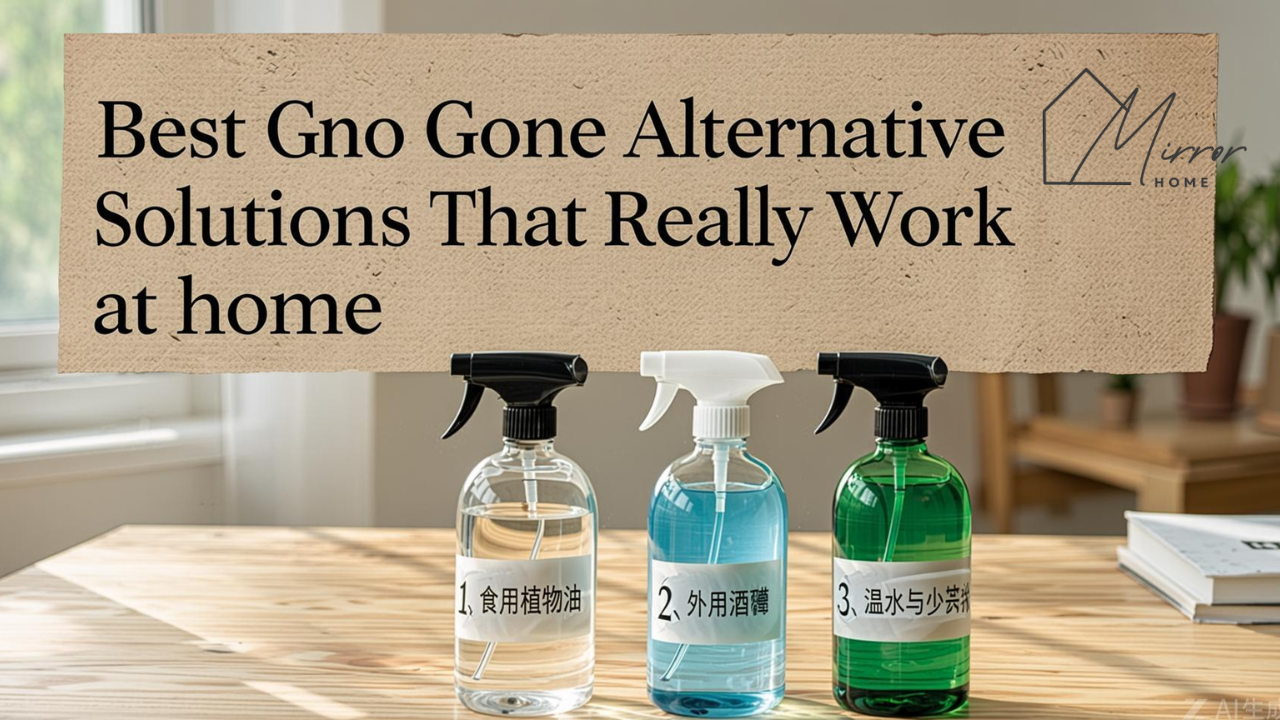
If you’re searching for a goo gone alternative, you’re not alone. Many people want safer, cheaper, or more natural ways to remove adhesive without harsh fumes or extra expense. Some already have surprisingly effective options sitting in their kitchen cabinets.
The good news is that there are plenty of practical alternatives that work just as well in real life. Some are gentle and natural, others are strong and fast-acting, and a few are ideal for delicate surfaces where chemicals feel risky.
What Goo Gone Does and Why People Look for Alternatives
Goo Gone is designed to break down sticky substances like glue, tape residue, grease, and gum. It works mainly through citrus-based solvents that dissolve adhesives without excessive scrubbing. In reality, the formula is effective—but not perfect for everyone.
Some people dislike the strong scent. Others worry about skin sensitivity, surface damage, or using chemical products around kids and pets. Cost can also be a factor, especially if you only need to remove residue occasionally.
That’s where a goo gone alternative becomes appealing. Many alternatives use the same basic principle—breaking adhesive bonds—just with different ingredients. Oils loosen the glue, acids weaken the residue, and friction finishes the job.
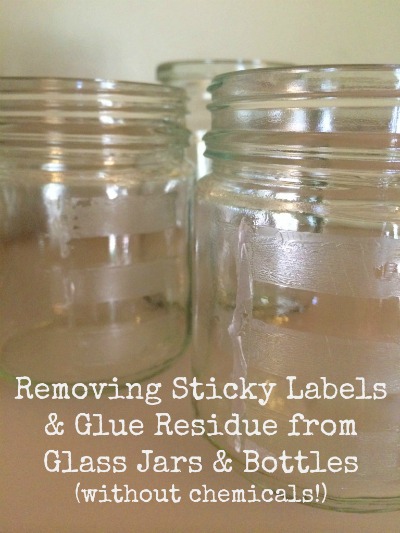
What Makes a Good Goo Gone Alternative
Before choosing any substitute, it helps to understand what actually works. A good alternative should meet a few basic criteria.
Key qualities to look for
- Ability to dissolve or loosen adhesive
- Safe for the surface you’re cleaning
- Easy to find or already available at home
- Minimal odor or irritation
- Affordable and reusable
Not every option fits every situation. A method that works on glass may damage wood, while something safe for plastic might smear on fabric. The best results come from matching the solution to the surface.
Natural Goo Gone Alternative Options You Already Own
If you prefer gentle, chemical-free solutions, natural methods are often the best place to start. They’re especially useful for light to moderate residue.
Vinegar
White vinegar contains acetic acid, which helps weaken adhesive bonds. It works well on glass, metal, and some plastics.
How to use:
- Soak a cloth in warm vinegar
- Press onto the sticky area for 5–10 minutes
- Wipe away residue with light pressure
Vinegar smells strong at first, but the odor fades quickly.
Baking Soda Paste
Baking soda adds mild abrasion without scratching most surfaces.
How to use:
- Mix baking soda with a small amount of water or oil
- Rub gently in circular motions
- Wipe clean with a damp cloth
This method is ideal for jars, countertops, and cookware.
Lemon Juice
Lemon juice works similarly to vinegar but smells fresher. The natural acid helps loosen adhesive while citrus oils assist breakdown.
That said, lemon juice is best for light residue rather than thick glue buildup.
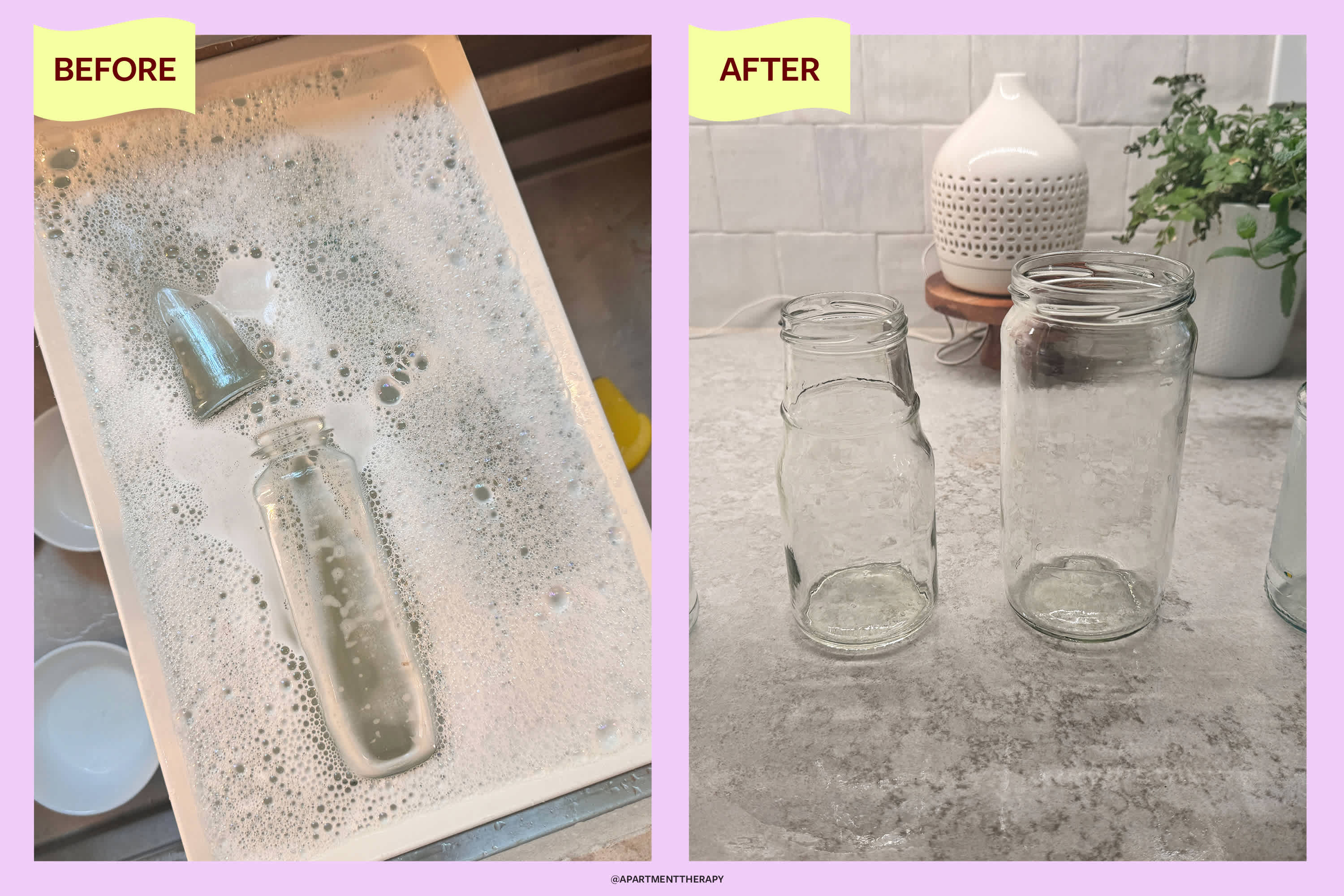
Oil-Based Alternatives for Tough Sticky Residue
Oil is one of the most effective categories of goo gone alternative solutions. Adhesives often dissolve easily when exposed to fats.
Cooking Oils
Olive oil, canola oil, and vegetable oil all work well.
Steps:
- Apply a small amount to the residue
- Let it sit for 10–15 minutes
- Wipe off with a paper towel
This method shines on stickers, labels, and tape marks.
Coconut Oil
Coconut oil is thicker, which helps it cling to vertical surfaces. It’s also popular because it smells pleasant and feels gentler on skin.
Peanut Butter
It sounds strange, but peanut butter combines oil with mild abrasives. It works surprisingly well on glass and plastic, though cleanup takes a bit longer.
Household Cleaners That Replace Goo Gone
Sometimes you need something stronger than natural methods. Luckily, many standard cleaners can act as a goo gone alternative when used correctly.
Rubbing Alcohol
Isopropyl alcohol breaks down adhesive quickly and evaporates fast.
Best uses:
- Electronics
- Glass
- Hard plastics
Always test first on painted or coated surfaces.
Nail Polish Remover (Acetone)
Acetone is powerful but risky. It can melt plastic and strip finishes.
Use only on:
- Glass
- Metal
Apply sparingly and ventilate well.
Dish Soap and Warm Water
For fresh residue, soap and heat are often enough. Warm water softens adhesive while soap reduces stickiness.
This is ideal for labels that haven’t fully cured.
Commercial Adhesive Removers Similar to Goo Gone
If DIY solutions feel unreliable, other store-bought removers can replace Goo Gone effectively.
Citrus-Based Cleaners
Many brands use orange or lemon oils as active ingredients. They function almost identically and often smell better.
WD-40
WD-40 is surprisingly effective at dissolving adhesive. However, it leaves an oily residue and should not be used on porous surfaces.
Adhesive Remover Sprays
Hardware stores sell specialized sprays designed for construction residue, decals, and tapes. These are often stronger than household options.
Surface-Specific Goo Gone Alternative Guide
Choosing the wrong solution can cause damage. This quick guide helps match the method to the surface.
Glass
- Vinegar
- Alcohol
- Lemon juice
- Oil-based solutions
Glass is forgiving, making it easy to experiment.
Plastic
- Cooking oil
- Dish soap
- Baking soda paste
Avoid acetone unless you’re sure the plastic is resistant.
Wood
- Mild oil
- Warm soapy water
Always avoid soaking wood or using harsh chemicals.
Fabric
- Dish soap
- Alcohol (spot test first)
Scraping gently before applying liquid helps prevent spreading residue.
Safety Tips When Using Any Adhesive Remover
Even natural solutions deserve respect.
- Test on a hidden area first
- Avoid mixing chemicals
- Ventilate the room
- Wash hands after use
- Keep products away from children and pets
Using a goo gone alternative safely ensures you solve one problem without creating another.
FAQ
Is vinegar really a good goo gone alternative?
Yes, vinegar works well for light to moderate adhesive residue, especially on glass and metal.
What is the safest goo gone alternative for kids’ items?
Cooking oils and dish soap are generally safest for toys and containers.
Can oil damage surfaces?
Oil is safe for most hard surfaces but may stain porous materials like unfinished wood or fabric.
Does rubbing alcohol remove sticker residue?
Yes, alcohol is very effective, particularly on glass and electronics.
Is WD-40 better than Goo Gone?
WD-40 works well but leaves residue and isn’t ideal for all surfaces.
What works best for old, hardened adhesive?
Oil-based solutions or commercial adhesive removers usually perform best.
Can heat help remove sticky residue?
Yes, heat softens adhesive and improves the effectiveness of any remover.
Are natural methods slower than chemical ones?
Often yes, but they are gentler and safer for many household uses.
Conclusion
Finding the right goo gone alternative often comes down to understanding the surface and the type of residue you’re dealing with. From simple kitchen oils to stronger household cleaners, there’s no shortage of effective options that work just as well as commercial removers.
In many cases, the best solution is already within reach. By choosing the right method and using it carefully, you can remove sticky residue without harsh chemicals, strong smells, or unnecessary expense—and get back to enjoying clean, smooth surfaces again.