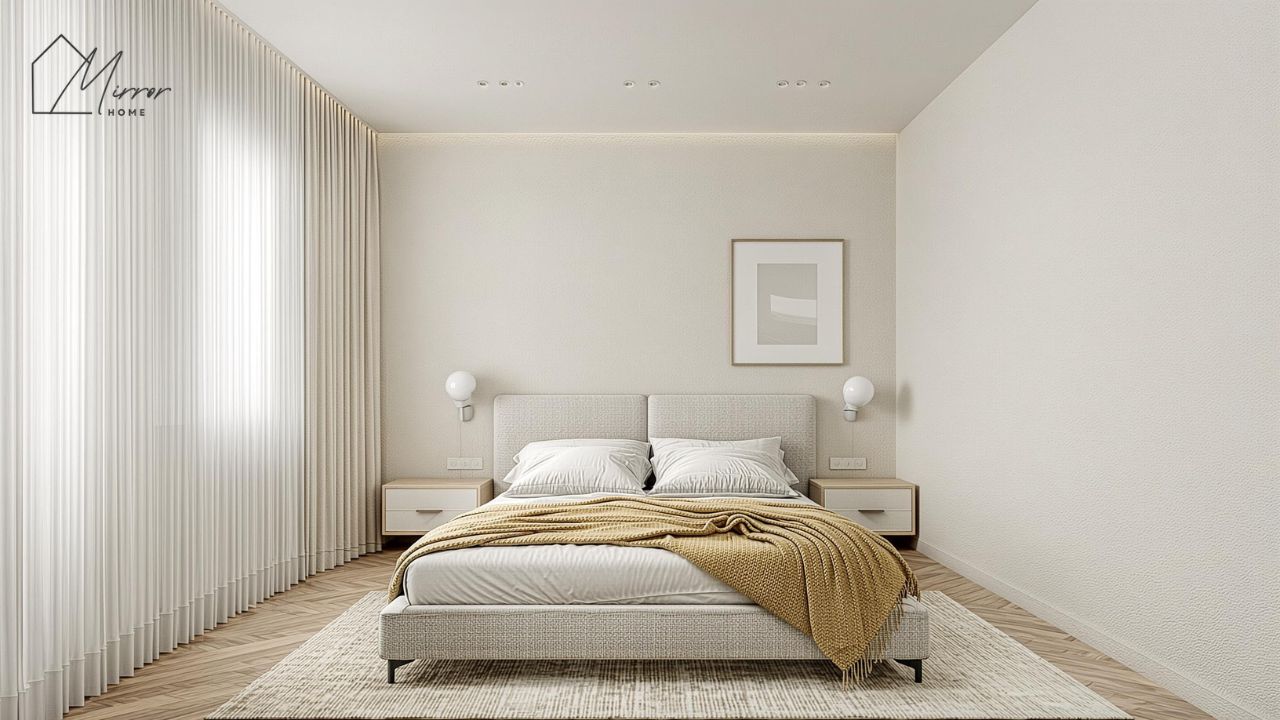
Small bedrooms can feel tricky. One wrong furniture choice, one dark paint color, or one crowded corner can make the whole space feel tight. That is exactly why bedroom ideas for small rooms matter so much. A tiny bedroom does not need to feel cramped, gloomy, or frustrating.
In reality, a small room can become one of the most comfortable spaces in your home when every detail works a little harder. The right layout, smart storage, better lighting, and a few visual tricks can make a compact bedroom feel calm, open, and surprisingly beautiful.
Many people assume they need a larger room to create a stylish retreat. That is not true. A well-planned small bedroom often feels more intimate, easier to maintain, and more personal than a large one.
Why Small Bedrooms Feel Crowded
A small bedroom usually feels crowded for one of three reasons: too much furniture, poor layout, or weak visual balance. Sometimes the room itself is not the problem. The way it is arranged is.
For example, a queen bed pushed into the wrong wall can block walking space. A bulky dresser may eat up the room’s best corner. Dark curtains, low lighting, and scattered decor can make even a neat room feel closed in. On the other hand, a modest room with the same square footage can feel open and restful when the layout is thoughtful.
The goal is not to empty the room until it feels cold. The goal is to use the space with intention. When each piece has a job and each surface has breathing room, the bedroom begins to feel bigger.
Bedroom Ideas for Small Rooms That Actually Work
When people search for bedroom ideas for small rooms, they usually want results they can copy without hiring a designer. The good news is that practical improvements often work better than dramatic ones.
Start With the Bed Placement
The bed is the largest item in the room, so it should guide the layout. In most small bedrooms, placing the bed against the longest wall creates better flow. If possible, leave walking space on at least one side and at the foot of the bed.
If your room is extremely narrow, pushing one side of the bed against a wall can free up enough space for movement. This setup is common in studio apartments, guest rooms, and city homes where every inch counts.
Use Vertical Space
When floor space is limited, the walls become valuable. Floating shelves, tall wardrobes, wall-mounted reading lights, and hooks behind the door can add function without making the room feel stuffed.
Vertical storage works especially well in small rooms because it keeps the center of the room clearer. That simple shift changes how spacious the room feels.
Keep Surfaces Calm
Crowded surfaces create visual noise. A nightstand stacked with chargers, books, random containers, and loose accessories can make the whole room feel messy. Keep visible surfaces edited.
Try this simple rule:
- One lamp
- One useful item
- One decorative piece
That is often enough to make a nightstand look finished without looking busy.
Best Layouts for a Tiny Bedroom
A smart layout can save more space than expensive furniture. That said, the best layout depends on your room shape.
Narrow Rectangular Bedroom
A narrow room benefits from a straight, simple setup. Place the bed lengthwise against the longer wall and keep larger storage pieces on the opposite side if space allows. Avoid oversized side tables.
This layout works because it protects the walkway. Once the walking path feels clear, the room feels less stressful.
Square Small Bedroom
A square room gives you a bit more flexibility. Centering the bed on one wall can create balance, especially if you use slim nightstands or wall-mounted shelves instead of heavy bedside furniture.
Square rooms also work well with corner storage, including:
- Corner shelving
- Small accent chairs
- Narrow dressers
- Corner hanging racks
Shared Small Bedroom
A shared bedroom needs zones. Two beds, a bunk bed, or one bed with a trundle can help, but storage becomes even more important. Under-bed drawers, labeled bins, and wall shelves keep shared rooms more peaceful.
For siblings, matching furniture often helps the room feel less chaotic. In a shared adult guest room, symmetry can bring order fast.
Storage Solutions That Save Floor Space
One of the biggest reasons people look up bedroom ideas for small rooms is storage. A small bedroom rarely has enough of it unless you build it in carefully.
Under-Bed Storage
This is one of the easiest wins. The space under the bed is often wasted, yet it can hold:
- Seasonal clothes
- Spare bedding
- Shoes
- Extra pillows
- Travel bags
Beds with built-in drawers are even better because they remove the need for a second bulky storage piece.
Wall-Mounted Shelves
Floating shelves keep the floor clear and make the room feel lighter than a bookcase would. Place them above the bed, above a desk, or near the wardrobe for folded items and decor.
However, do not overload them. A few shelves that are thoughtfully styled look airy. Too many packed shelves can make the room feel heavy.
Storage Benches
A storage bench at the foot of the bed adds function, seating, and style at once. This works especially well in rooms that do not have closet space.
Choose a bench with a slim profile so it does not block the walking path.
Multi-Use Furniture
Multi-use pieces are essential in tiny bedrooms. Look for:
- Beds with drawers
- Ottomans with hidden storage
- Fold-down desks
- Nightstands with shelves
- Headboards with compartments
These pieces reduce clutter because they combine two jobs into one.
Color and Lighting Tips for Small Bedrooms
Color and light shape how a room feels almost immediately. Even a tidy room can feel boxed in when the palette is too heavy or the lighting is flat.
Choose Light, Soft Colors
White is not the only answer. In fact, some all-white bedrooms can feel bland if they lack texture. Soft shades often work better in small rooms, such as:
- Warm white
- Light beige
- Pale gray
- Dusty sage
- Soft blue
- Blush taupe
These shades reflect light and create a calmer mood. That matters in bedrooms because the room should feel restful, not sharp or busy.
Use Tone-on-Tone Layers
A small room can still have depth. Instead of using many strong colors, try layers of similar tones. For example, mix cream walls with oatmeal bedding, light wood furniture, and soft tan curtains.
This creates interest without chopping the room into visual blocks.
Let Natural Light Lead
If the room has a window, do not hide it behind thick dark curtains. Use sheer panels, light linen drapes, or simple blinds that let sunlight move through the room.
A brighter room almost always feels larger.
Layer the Lighting
Small bedrooms need more than one overhead bulb. Good lighting usually includes:
- Ceiling light
- Bedside lamp or wall sconce
- Soft accent light
Warm lighting is often best for bedrooms because it feels inviting. Cold lighting can make the room feel harsh and flat.
Image suggestion: add a lighting comparison or small bedroom mood-board image here.
Furniture Choices That Make a Room Feel Larger
The wrong furniture can swallow a small bedroom. Proportion matters more than price.
Choose Slim Profiles
Furniture with slim legs and lighter frames tends to feel less bulky than oversized solid pieces. A raised bed or narrow nightstand allows the eye to move underneath and around the furniture, which creates a more open look.
Skip Oversized Headboards
A dramatic headboard may look lovely online, but in a tiny bedroom it can dominate the wall. Upholstered or vertical-panel headboards in a moderate size often feel softer and more balanced.
Use One Statement Piece
Not every item needs to stand out. In a small room, one focal point is enough. It might be:
- A textured headboard
- A beautiful pendant light
- A large mirror
- A feature wall behind the bed
When every piece competes for attention, the room feels smaller.
Try a Wall-Mounted Desk or Vanity
If you need a workspace or beauty station in the bedroom, a floating desk can save real floor space. Pair it with a stool that tucks under fully.
This is one of the smartest bedroom ideas for small rooms because it adds function without adding bulk.
A Quick Comparison Table for Small Bedroom Upgrades
| Challenge | Better Choice | Why It Works |
|---|---|---|
| Bulky nightstand | Floating shelf | Frees floor space |
| Standard bed frame | Bed with drawers | Adds hidden storage |
| Dark curtains | Sheer or light curtains | Improves natural light |
| Heavy wardrobe | Tall slim wardrobe | Uses vertical space |
| Big table lamp | Wall sconce | Saves bedside surface |
| Too many decor items | One focal point | Reduces visual clutter |
Decor Mistakes That Make a Small Bedroom Look Smaller
Even beautiful decor can backfire in a tiny room when the scale is wrong.
Too Many Small Accessories
A room filled with tiny framed prints, mini decor objects, and scattered accents often feels busier than a room with fewer larger pieces. One medium-size artwork can work better than six tiny frames.
Furniture Pushed Everywhere
People often place furniture against every wall to “save space.” Oddly, this can make the room feel stiff and crowded. Sometimes leaving a little breathing room around one or two pieces creates better balance.
Ignoring Mirror Placement
Mirrors reflect light and create the feeling of depth. A well-placed mirror opposite or near a window can brighten the room fast. That said, mirror overload can feel cold. One large mirror is usually enough.
Too Many Patterns
Pattern adds personality, but too many competing prints make a small room feel noisy. If you love pattern, keep it focused. For example, use a patterned duvet and keep the rest of the palette calm.
Small Bedroom Ideas by Style
Style matters because a room should still feel like yours. A small space should not feel plain just because it is practical.
Minimalist Small Bedroom
A minimalist small bedroom focuses on clean lines, soft colors, and fewer objects. This style works well in tiny rooms because it keeps visual clutter low.
Try:
- Plain bedding
- Hidden storage
- One wall art piece
- Neutral palette
- Simple lighting
Cozy Small Bedroom
Cozy rooms feel soft, warm, and personal. Use layered bedding, textured throws, warm lamps, and natural materials like wood and linen.
A small room often suits cozy design very well because it already feels intimate.
Modern Small Bedroom
A modern room usually uses sleek furniture, uncluttered styling, and simple shapes. Black accents can work here, but balance them with lighter walls and fabrics so the room does not feel closed in.
Boho Small Bedroom
A boho bedroom can work in a small space if it stays edited. Choose a few handmade textures, one woven rug, soft earthy tones, and plants in modest numbers.
The mistake is going too far. In a tiny room, boho should feel relaxed, not overloaded.
Bedroom Ideas for Small Rooms on a Budget
You do not need a full makeover to improve a small bedroom. Some of the best changes cost very little.
Rearrange Before You Buy
Before spending money, try moving the bed, dresser, and side table. Many rooms feel better after a simple layout change. This costs nothing and often reveals space you did not realize you had.
Swap Heavy Curtains
Replacing dark or thick curtains with lighter ones can make a room feel bigger in one afternoon. It is a small change with a big visual effect.
Paint One Wall Softly
A fresh coat of paint can revive the room without making it feel busy. Soft neutrals and muted colors often work best. Paint is still one of the most affordable design upgrades available.
Add a Mirror
A large mirror leaned against a wall or hung near a window can completely change the energy of a room. It reflects light, opens the view, and adds polish.
Use Baskets and Boxes
Affordable baskets, fabric bins, and lidded boxes help control clutter. Use matching tones for a cleaner look.
Here are some budget upgrades that usually pay off:
- New bedding
- Better curtains
- Simple mirror
- Under-bed boxes
- Wall hooks
- Floating shelf
- Bedside sconce
How to Make a Small Bedroom Feel Luxurious
Luxury is not always about price. In a small bedroom, it often comes from comfort, order, and materials that feel pleasing to the touch.
Invest in Bedding First
Good bedding changes the whole room. Crisp sheets, a supportive pillow, and a duvet with some weight can make the bedroom feel expensive even when the furniture is simple.
Keep the Palette Consistent
Rooms feel more refined when the colors speak to each other. Avoid too many sudden contrasts. A calm, layered palette usually feels more elegant.
Use Texture Instead of Clutter
Texture gives depth without crowding the eye. Think of:
- Quilted bedding
- Linen curtains
- Wooden accents
- Soft rugs
- Velvet cushion covers
Hide the Everyday Mess
Visible cables, half-open storage, and overfilled shelves break the mood quickly. A luxurious room usually feels calm because the visual clutter is controlled.
A Practical Small Bedroom Setup Example
Imagine a 9 x 10 foot bedroom. It has one window, one closet, and just enough room for a full-size bed.
A workable setup could look like this:
- Bed centered on the main wall
- Floating shelf on one side instead of a full nightstand
- Wall sconce for reading
- Under-bed storage boxes for off-season items
- Tall slim dresser near the closet
- Large mirror near the window
- Soft beige walls with white bedding and muted green accents
That room would not be huge. Still, it would feel calm, bright, and usable. This is where bedroom ideas for small rooms become practical rather than just inspirational.
How to Balance Style and Function in a Tiny Bedroom
A room that looks pretty but does not work soon becomes annoying. A room that works but feels cold can feel joyless. The sweet spot is somewhere in the middle.
Ask these questions when choosing anything for the room:
- Does this piece solve a real need?
- Does it fit the scale of the room?
- Will it create clutter later?
- Does it support the mood I want here?
For instance, a bench may look elegant, but not if it blocks movement. A beautiful open shelf may suit the room, but not if you know it will collect clutter. Honest choices lead to better design.
Infographic: Small Bedroom Rules That Make a Big Difference
Use this infographic after this section: “10 smart rules for styling a small bedroom”
- Choose the right bed size
- Use under-bed storage
- Keep walkways clear
- Hang curtains higher
- Add one large mirror
- Pick slim furniture
- Use vertical shelves
- Limit decor clutter
- Layer soft lighting
- Stick to a calm palette
FAQ
Frequently Asked Questions
What colors make a small bedroom look bigger?
Light and soft shades usually work best. Warm white, beige, pale gray, soft sage, and light blue can reflect more light and help the room feel open.
Is a queen bed too big for a small bedroom?
Not always. A queen bed can work in a small bedroom if the layout is planned carefully and the room does not contain too many bulky pieces. However, a full bed often gives more flexibility.
How do I add storage to a tiny bedroom without making it feel crowded?
Use hidden and vertical storage. Under-bed drawers, floating shelves, hooks, slim wardrobes, and storage benches are usually better than adding more floor furniture.
Do mirrors really make a bedroom look bigger?
Yes, they often do. A mirror reflects light and creates visual depth, which can make a small bedroom feel brighter and more open.
What is the biggest mistake in small bedroom design?
One of the biggest mistakes is overcrowding the room with oversized furniture or too many decor items. Poor layout is another common issue.
Can dark colors work in small bedrooms?
Yes, but they need balance. Dark colors can feel rich and cozy when paired with good lighting, soft textiles, and enough contrast. Without that balance, the room may feel boxed in.
How can I make my small bedroom look expensive?
Focus on quality bedding, layered lighting, tidy storage, consistent colors, and a few thoughtful textures. A neat room often feels more luxurious than a crowded one.
Are floating shelves better than nightstands in a small room?
In many cases, yes. Floating shelves save floor space and can still hold essentials like a book, phone, or small lamp.
What kind of curtains are best for small bedrooms?
Light-filtering curtains, linen panels, or simple blinds usually work well. Heavy dark curtains can make the room feel smaller unless the design intentionally aims for a dramatic cozy look.
How often should I declutter a small bedroom?
A quick weekly reset helps a lot. Small rooms show clutter faster, so regular editing keeps the space comfortable and easier to enjoy.
Conclusion
A small bedroom does not need to feel limiting. With the right layout, better storage, soft lighting, and intentional decor, it can feel restful, stylish, and far more spacious than its square footage suggests. The best bedroom ideas for small rooms are not about chasing perfection. They are about making daily life easier while creating a room that feels good to come home to.
When you start with what the room truly needs, every choice becomes clearer. A little editing, a little planning, and a few smart updates can completely change how your bedroom looks and how it feels.