Introduction
There’s something deeply comforting about opening a cabinet filled with dried herbs, glass jars, soothing teas, and handmade remedies. In a world dominated by rushed routines and synthetic quick fixes, many people are rediscovering the quiet wisdom of natural healing. A thoughtfully written home apothecary book can become more than just a guide—it can feel like a trusted companion passed down through generations.
People are becoming increasingly curious about how herbs, oils, tinctures, and natural ingredients can support everyday wellness. Whether you want to soothe a headache naturally, create calming bedtime teas, or learn how to store herbs correctly, having reliable information matters. That’s why finding the right resource is so important.
The beauty of building a personal herbal toolkit is that it encourages a slower, more intentional approach to health and self-care. You don’t need a giant garden or years of experience to begin. With patience, curiosity, and a dependable guide, almost anyone can create a calming healing space at home.
Why Herbal Wisdom Is Making a Comeback
Modern wellness trends may seem new, but herbal healing has been part of human culture for centuries. Long before pharmacies existed, families relied on plants, roots, flowers, and spices to support everyday health concerns.
Today, people are returning to these traditions for several reasons:
- A desire for more natural wellness practices
- Interest in sustainable living
- Curiosity about traditional healing methods
- Growing awareness of ingredient transparency
- The emotional comfort of creating remedies by hand
The rise in herbal education has also made learning more accessible. A quality home apothecary book often explains herbs in approachable language, making the subject less intimidating for beginners.
The Emotional Side of Herbal Living
Beyond practical benefits, herbal practices can feel grounding. Measuring herbs for tea, preparing infused oils, or drying flowers on a kitchen counter encourages mindfulness. Many people discover that creating remedies becomes a calming ritual rather than simply another task.
There’s also a sense of connection involved. Herbs tie us to seasonal rhythms, family traditions, and the natural world. Even something as simple as making peppermint tea can become an intentional moment of care.
What Defines a Great Herbal Reference Guide?
Not every herbal guide offers the same value. Some books focus heavily on history, while others emphasize recipes or scientific explanations. The best option depends on your goals, experience level, and interests.
A strong home apothecary book typically balances education with practical instruction. It should feel inspiring without becoming overwhelming.
Clear Herbal Profiles
One of the most useful features in any herbal guide is a detailed herb directory. Beginners benefit from learning:
- Common and botanical names
- Traditional uses
- Preparation methods
- Safety considerations
- Flavor profiles
- Storage recommendations
Clear explanations help readers feel more confident experimenting with herbs safely.
Easy-to-Follow Recipes
A good guide doesn’t just explain herbs—it teaches readers how to use them in everyday life. Practical recipes often include:
- Herbal teas
- Salves and balms
- Tinctures
- Syrups
- Bath soaks
- Infused oils
- Compresses
The most approachable books provide step-by-step instructions with realistic ingredients.
Building Confidence With a Home Apothecary Book
Starting an herbal journey can feel intimidating at first. There are hundreds of plants, preparation styles, and traditional uses to explore. That’s why beginners often benefit from focusing on a small collection of versatile herbs.
A thoughtfully written home apothecary book can simplify the process by introducing foundational herbs first. Rather than trying to learn everything at once, readers can slowly build confidence through repetition and hands-on experience.
Beginner-Friendly Herbs Worth Learning First
Several herbs appear repeatedly in beginner herbal guides because they are versatile and approachable.
Chamomile
Chamomile is often used in calming teas and bedtime blends. Its gentle floral flavor makes it one of the easiest herbs for beginners to enjoy.
Peppermint
Peppermint is refreshing, cooling, and commonly included in digestive teas. It’s also widely used in homemade herbal steam blends.
Lavender
Known for its relaxing aroma, lavender appears in teas, bath soaks, oils, and pillow sachets.
Calendula
Calendula flowers are popular in herbal skincare recipes because of their soothing properties.
Lemon Balm
This bright, citrusy herb is frequently used in calming teas and wellness tonics.
Learning just a few herbs deeply is often more helpful than memorizing dozens superficially.
Essential Tools for a Home Herbal Setup
Creating an herbal workspace doesn’t require expensive equipment. In fact, many herbalists begin with basic kitchen supplies.
A practical home apothecary book usually encourages readers to start small and upgrade slowly over time.
Helpful Supplies for Beginners
Here are some common tools used in herbal preparation:
| Tool | Purpose |
|---|---|
| Glass jars | Storing dried herbs and oils |
| Mortar and pestle | Grinding herbs and spices |
| Fine mesh strainer | Filtering teas and infusions |
| Amber bottles | Protecting tinctures from light |
| Measuring spoons | Accurate recipe preparation |
| Labels | Tracking ingredients and dates |
| Small saucepan | Heating herbal infusions |
Keeping herbs organized is surprisingly important. Proper storage helps preserve flavor, aroma, and freshness.
How to Store Herbs Properly
Dried herbs are sensitive to heat, moisture, sunlight, and air exposure. To extend shelf life:
- Store herbs in airtight containers
- Keep jars away from direct sunlight
- Avoid humid storage areas
- Label containers with dates
- Replace herbs when aroma fades
Simple habits can dramatically improve the quality of homemade preparations.
Understanding Common Herbal Preparations
One reason many people love herbal education is the creativity involved. The same herb can often be used in multiple forms depending on the desired experience.
A comprehensive home apothecary book usually explains preparation methods in detail so readers can choose the best option for their needs.
Herbal Teas and Infusions
Teas are among the easiest ways to work with herbs. Leaves and flowers are commonly steeped in hot water for several minutes.
Infusions are similar but often steep longer to extract more flavor and beneficial compounds.
Popular tea herbs include:
- Chamomile
- Peppermint
- Lemon balm
- Hibiscus
- Ginger
- Rose petals
Tinctures
Tinctures are concentrated liquid extracts made using alcohol or glycerin. They are valued for convenience and long shelf life.
Although tinctures sound complicated, many beginner herbal guides explain them clearly with easy measurements and storage instructions.
Salves and Balms
Herbal salves combine infused oils with beeswax to create soothing topical preparations. Calendula, lavender, and plantain are frequently used ingredients.
Salves are especially popular among people interested in natural skincare.
The Connection Between Herbalism and Seasonal Living
Herbal traditions are deeply tied to the seasons. Spring, summer, autumn, and winter each bring different plants, rhythms, and wellness practices.
Many readers appreciate how a home apothecary book teaches them to notice these seasonal patterns more intentionally.
Spring Herbal Practices
Spring often focuses on freshness and renewal. Common spring herbs include:
- Nettle
- Dandelion
- Cleavers
- Mint
These herbs frequently appear in seasonal teas and tonics.
Summer Herbal Practices
Summer is associated with abundance. Gardens overflow with aromatic plants such as:
- Basil
- Lavender
- Calendula
- Lemon balm
Many herbalists use summer to dry herbs for colder months.
Autumn and Winter Traditions
Cooler seasons often inspire warming herbal preparations. Cinnamon, ginger, cloves, and elderberry become especially popular.
This seasonal approach creates a more connected relationship with food, plants, and daily routines.
Why Handmade Remedies Feel So Meaningful
There’s a unique satisfaction that comes from creating something useful with your own hands. Even simple herbal preparations can feel personal and nurturing.
Readers often discover that a reliable home apothecary book encourages creativity while also providing structure and safety.
Making remedies by hand can also become a thoughtful way to care for loved ones. A homemade herbal tea blend or soothing bath soak often feels more meaningful than a store-bought gift.
The Ritual of Slowing Down
Modern life rarely encourages stillness. Herbal preparation naturally slows the pace. Measuring dried flowers, stirring oils, or labeling jars can become calming rituals.
Many people find that these moments reduce stress and help them reconnect with everyday routines.
Common Mistakes Beginners Should Avoid
Every new hobby comes with a learning curve, and herbalism is no exception. Fortunately, most mistakes are easy to avoid with proper guidance.
A trustworthy home apothecary book often includes safety notes and realistic expectations for beginners.
Buying Too Many Herbs at Once
It’s tempting to purchase dozens of herbs immediately. However, herbs lose freshness over time.
Starting with five to ten versatile herbs is usually more practical.
Ignoring Labels and Dates
Without labels, jars quickly become confusing. Always include:
- Herb name
- Purchase or harvest date
- Preparation type
- Expiration estimate
Organization prevents waste and confusion.
Expecting Instant Expertise
Herbal knowledge develops gradually. Learning preparation methods, flavor profiles, and traditional uses takes time.
Patience is part of the process.
How to Choose the Right Herbal Guide for Your Lifestyle
Not every reader wants the same type of herbal education. Some prefer detailed scientific explanations, while others enjoy recipe-focused inspiration.
Choosing the right home apothecary book depends on your goals.
For Beginners
New herbal enthusiasts usually benefit from:
- Clear instructions
- Simple ingredient lists
- Safety guidance
- Basic preparation methods
- Organized herb directories
For Experienced Herbal Enthusiasts
Advanced readers may prefer:
- Detailed botanical information
- Historical references
- Advanced extraction techniques
- Complex formulations
- In-depth materia medica sections
The best books balance inspiration with practical usability.
Creating a Personalized Herbal Routine
Herbal living doesn’t need to feel complicated or rigid. In fact, many experienced herbalists encourage small daily practices rather than dramatic lifestyle overhauls.
A well-written home apothecary book often inspires readers to create routines that feel realistic and sustainable.
Easy Ways to Incorporate Herbs Daily
You can begin experimenting with herbs in simple ways:
- Drink a calming evening tea
- Add fresh herbs to meals
- Create herbal bath blends
- Use infused oils in skincare
- Keep dried herbs organized in glass jars
- Make seasonal wellness syrups
Small habits often create the most lasting routines.
Learning Through Experience
Reading is valuable, but hands-on practice builds confidence. Making herbal preparations helps readers understand textures, aromas, flavors, and storage methods more deeply.
Over time, people develop personal preferences and favorite combinations.
The Aesthetic Appeal of a Home Apothecary
Part of the growing fascination with herbal spaces comes from their visual warmth. Glass bottles, handwritten labels, wooden shelves, and dried flowers create a cozy atmosphere that feels timeless.
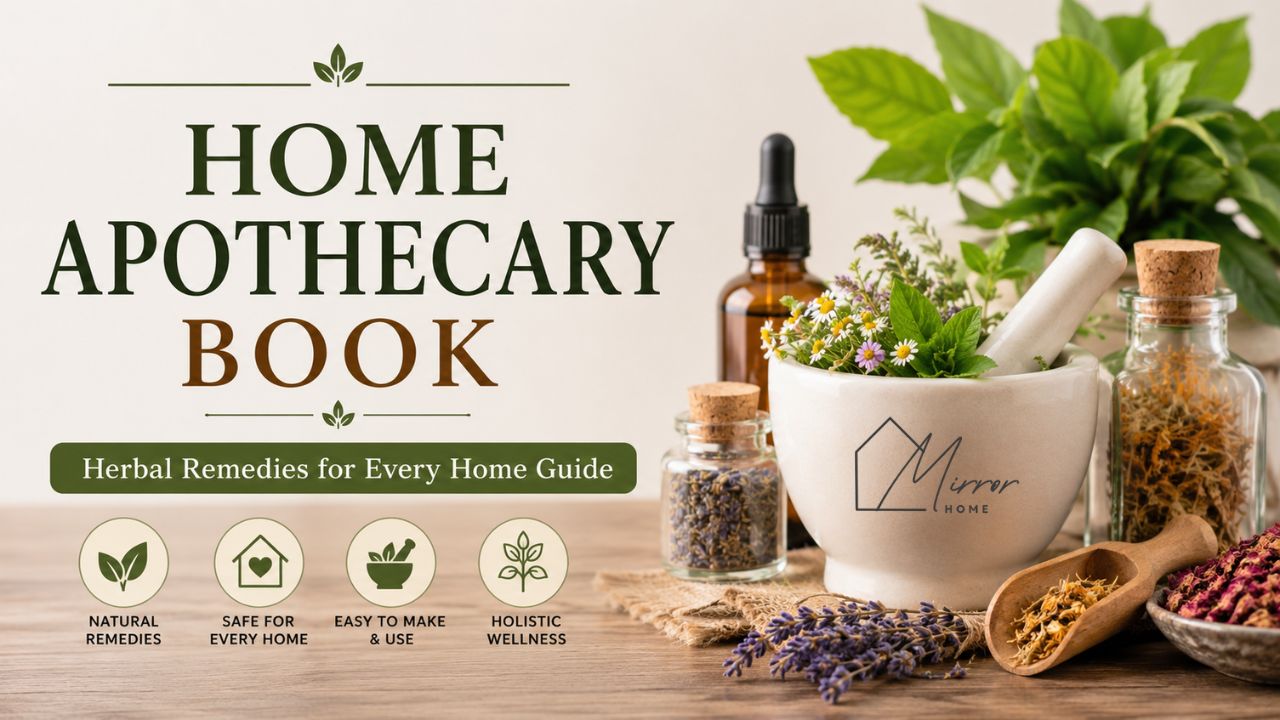
Many readers are initially drawn to a home apothecary book because of its beautiful imagery and calming aesthetic.
However, the appeal goes beyond appearance. Organized herbal spaces encourage intentional living and make wellness routines feel more accessible.
Designing a Small Herbal Corner
You don’t need an entire room to create an inviting setup. Even a single shelf can become a functional herbal station.
Consider including:
- Clear storage jars
- Small baskets
- Dried flower bundles
- Wooden trays
- Recipe notebooks
- Labels and measuring tools
Simple organization makes herbal preparation more enjoyable.
FAQ
What is a home apothecary?
A home apothecary is a dedicated space where herbs, teas, oils, tinctures, and natural wellness ingredients are stored and prepared for everyday use.
Is herbalism beginner-friendly?
Yes. Many herbal practices are approachable for beginners, especially when starting with simple teas, infused oils, and a few versatile herbs.
What should a beginner look for in an herbal guide?
Beginners should prioritize clear instructions, safety information, practical recipes, and easy-to-understand herb profiles.
How many herbs should I start with?
Most beginners do well starting with five to ten common herbs such as chamomile, peppermint, lavender, calendula, and lemon balm.
Are homemade herbal remedies difficult to make?
Not usually. Many herbal preparations require only basic kitchen tools and simple ingredients.
How long do dried herbs stay fresh?
Most dried herbs maintain good quality for about one year when stored properly in airtight containers away from heat and sunlight.
Can I grow herbs at home?
Absolutely. Many herbs grow well in small gardens, balconies, or indoor containers with adequate sunlight.
Why are tinctures so popular?
Tinctures are concentrated, convenient, and have a long shelf life, making them easy to store and use.
Conclusion
Building an herbal practice is less about perfection and more about curiosity, patience, and connection. A thoughtfully chosen herbal guide can transform ordinary routines into meaningful rituals rooted in care and intention.
Whether you’re interested in calming teas, seasonal remedies, botanical skincare, or simply creating a more mindful home environment, herbal learning offers endless opportunities for creativity. The process encourages people to slow down, observe nature more closely, and appreciate the comfort of handmade traditions.
The most rewarding part of herbal living is that it grows with you. Every tea blend, dried herb jar, and handwritten recipe becomes part of a personal story shaped by experience and exploration.