Apple’s smart home ecosystem has quietly become one of the most trusted digital environments for modern households. From controlling lights with a voice command to checking security cameras while traveling, people want convenience without sacrificing privacy. That’s exactly where apple home advisor enters the conversation.
For many homeowners, setting up a connected home feels exciting at first—until devices stop syncing, automations fail, or Wi-Fi dead zones ruin the experience. In reality, most users don’t need dozens of gadgets. They need a system that works together smoothly, securely, and without constant troubleshooting.


The growing popularity of Apple-powered smart homes has created demand for practical guidance. Whether you’re a beginner buying your first HomePod or someone trying to automate an entire property, understanding how the ecosystem works can save time, money, and frustration.
This guide breaks everything down in simple language—from features and setup tips to privacy, compatibility, costs, and long-term benefits.
What Is Apple Home Advisor?
The term apple home advisor generally refers to guidance, support, and solutions related to Apple’s smart home ecosystem. It combines the functionality of Apple Home, HomeKit, Siri, and compatible devices into a unified experience that helps users manage their homes digitally.
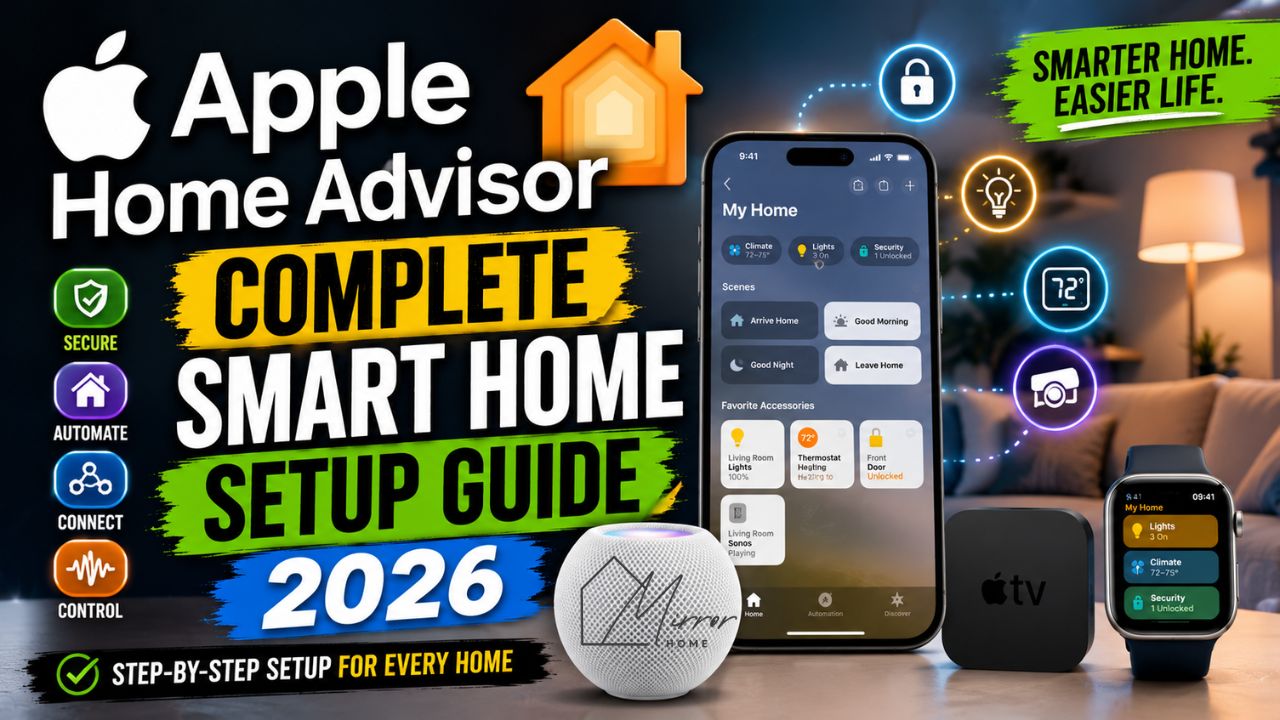
Instead of juggling multiple apps from different brands, Apple centralizes everything through the Home app. That means users can:
- Control lights remotely
- Lock and unlock smart doors
- Manage thermostats
- View security cameras
- Create automations
- Use Siri voice commands
The real strength of the ecosystem is simplicity. Apple focuses heavily on user experience. Even people who are not tech-savvy can usually configure devices in minutes.
A recent shift in consumer behavior has also helped. People increasingly prioritize convenience, energy efficiency, and home security. According to industry reports, the global smart home market is expected to exceed hundreds of billions of dollars within the next few years. Apple’s privacy-first approach gives it a strong advantage in that expanding market.
Why Apple’s Smart Home Ecosystem Is Growing
The smart home industry once felt chaotic. One brand controlled lighting, another handled cameras, and another managed voice assistants. Compatibility issues frustrated homeowners constantly.
Apple changed that experience by focusing on ecosystem stability.
Privacy Became a Major Selling Point
Many consumers worry about cameras, microphones, and connected devices collecting too much personal information. Apple positioned itself differently by emphasizing encrypted communication and local processing.
That approach resonated strongly with users who wanted convenience without feeling monitored.
Seamless Device Integration
A person using an iPhone, Apple Watch, iPad, and Mac already lives inside Apple’s ecosystem. Adding smart home controls feels natural.
For example:
- A HomePod can act as a smart home hub
- An Apple Watch can unlock smart doors
- Siri can trigger personalized routines
- AirPlay-compatible TVs connect instantly
This level of integration reduces friction dramatically.
Simpler User Experience
One reason beginners appreciate apple home advisor resources is because Apple avoids overly technical interfaces. The Home app uses clean layouts, recognizable icons, and straightforward automation tools.
Instead of feeling like enterprise software, it feels approachable.
Core Features of Apple Home Advisor
Understanding the main capabilities helps homeowners decide whether the Apple ecosystem fits their lifestyle.
Centralized Home Control
Everything connects through the Home app on iPhone, iPad, or Mac. Users can organize devices by room and create scenes for different activities.
Examples include:
| Scene | Action |
|---|---|
| Good Morning | Opens blinds and turns on lights |
| Movie Night | Dims lights and powers TV |
| Leaving Home | Locks doors and arms cameras |
| Bedtime | Adjusts thermostat and switches off lights |
Siri Voice Automation
Voice control is no longer a novelty. For busy households, it saves time daily.
You can say:
- “Hey Siri, lock the front door.”
- “Hey Siri, turn off downstairs lights.”
- “Hey Siri, set the temperature to 72 degrees.”
The commands feel surprisingly natural.
Secure Remote Access
When away from home, users can still monitor devices remotely through iCloud-connected hubs like HomePod or Apple TV.
That feature matters during:
- Vacations
- Work trips
- Emergency situations
- Property monitoring
Multi-User Access
Families can share permissions safely. Parents may grant children limited controls while maintaining administrator settings themselves.
This flexibility makes apple home advisor solutions practical for households with multiple residents.
How to Set Up an Apple Smart Home
Starting a smart home can feel overwhelming initially. However, breaking the process into smaller steps makes it manageable.


Step 1: Choose a Smart Home Hub
Most Apple smart homes rely on one of these:
- HomePod
- HomePod mini
- Apple TV
- iPad (limited support)
The hub enables remote access and automation.
Step 2: Build Strong Wi-Fi Coverage
Weak internet causes most smart home failures.
Before buying gadgets:
- Upgrade your router if necessary
- Eliminate dead zones
- Consider mesh Wi-Fi systems
A stable network matters more than expensive devices.
Step 3: Add HomeKit-Compatible Devices
Look for “Works with Apple HomeKit” labels.
Popular categories include:
- Smart bulbs
- Video doorbells
- Security cameras
- Thermostats
- Smart plugs
- Garage systems
Step 4: Organize Devices by Room
Grouping devices logically improves automation efficiency.
For example:
- Kitchen lights
- Bedroom thermostat
- Garage camera
This structure makes Siri commands more accurate.
Step 5: Create Automations
Automations are where smart homes become genuinely useful.
Examples:
- Porch lights activate at sunset
- Doors lock automatically at midnight
- Cameras activate when nobody is home
- Air conditioning adjusts based on occupancy
Best Devices Compatible With Apple HomeKit
One common mistake is assuming every smart device works flawlessly with Apple. Compatibility matters enormously.
Here are some reliable categories homeowners often choose.
Smart Lighting
Brands like Philips Hue and Nanoleaf remain highly popular because of reliability and easy setup.
Benefits include:
- Energy savings
- Mood lighting
- Scheduled automation
- Remote control
Smart Security Cameras
Security cameras integrated with HomeKit Secure Video offer encrypted footage storage and intelligent notifications.
Useful alerts include:
- Person detected
- Vehicle detected
- Package arrival
Smart Locks
Smart locks eliminate the need for physical keys in many situations.
Practical use cases:
- Letting guests inside remotely
- Granting temporary access
- Locking doors automatically
Thermostats
Smart thermostats help reduce utility bills significantly over time.
Many households save money by:
- Adjusting temperatures automatically
- Detecting occupancy
- Managing energy consumption more efficiently
Smart Sensors
Small sensors can detect:
- Motion
- Smoke
- Water leaks
- Open windows
These devices often prevent expensive home damage before it escalates.
Security and Privacy Advantages
Privacy remains one of Apple’s strongest competitive advantages.
While many companies prioritize data collection, Apple markets security as a core feature rather than an afterthought.
End-to-End Encryption
HomeKit Secure Video encrypts footage before uploading to iCloud. Even Apple claims it cannot view recordings.
For users concerned about surveillance, that reassurance matters.
Local Device Processing
Many automations process locally instead of constantly relying on cloud servers. That improves:
- Speed
- Reliability
- Privacy
Permission Controls
Users maintain detailed control over:
- Camera access
- User permissions
- Notification settings
- Automation privileges
That level of customization makes apple home advisor ecosystems appealing to privacy-conscious homeowners.
Common Problems and Troubleshooting Tips
Even excellent systems occasionally fail. Knowing common issues can prevent hours of frustration.
Devices Not Responding
Usually caused by:
- Weak Wi-Fi
- Outdated firmware
- Power interruptions
Quick fixes:
- Restart the device
- Reboot the router
- Update software
- Re-add the accessory
Siri Automation Failures
Sometimes Siri misunderstands room names or commands.
Helpful adjustments:
- Use simpler room names
- Avoid duplicate device names
- Rebuild problematic automations
Delayed Notifications
Camera alerts may lag because of:
- Poor internet speed
- iCloud sync issues
- Battery-saving settings
Checking network stability typically resolves the issue.
Hub Connectivity Issues
When the home hub disconnects:
- Remote access stops working
- Automations may fail
- Shared access becomes unreliable
Most cases resolve after restarting the hub device.
Automation Ideas for Everyday Life
A smart home becomes valuable when it reduces small daily annoyances.
Morning Routine Automation
Imagine waking up naturally because:
- Bedroom lights brighten gradually
- Coffee maker powers on
- Thermostat adjusts automatically
- Weather updates play through HomePod
That experience feels surprisingly luxurious.
Security While Traveling
Frequent travelers benefit enormously from automation.
Useful features include:
- Motion-triggered camera alerts
- Randomized lighting schedules
- Remote door monitoring
- Smart lock management
Energy-Saving Automations
Electricity costs continue rising globally. Smart homes can help reduce waste.
Examples:
- Lights turn off automatically in empty rooms
- Thermostats adjust based on occupancy
- Smart plugs cut phantom power usage
Child and Family Safety
Families often use smart homes for peace of mind.
Parents can:
- Receive notifications when children arrive home
- Monitor smoke detectors remotely
- Control screen time environments
- Lock dangerous areas automatically
Apple Home Advisor for Families and Businesses
Although most people associate smart homes with residential use, businesses increasingly adopt similar systems.
Family Households
Families appreciate:
- Shared calendars
- Voice reminders
- Security controls
- Entertainment synchronization
Children often adapt quickly because the interface feels intuitive.
Vacation Properties
Rental owners use Apple-compatible devices to:
- Manage guest access
- Monitor properties remotely
- Reduce energy waste
- Improve security
Small Offices
Small businesses can automate:
- Lighting schedules
- Meeting room systems
- Entry management
- Climate control
These systems reduce operational inefficiencies significantly.
Personal Background and Industry Growth Behind Smart Home Advisors
The rise of smart home consulting didn’t happen overnight. Ten years ago, connected homes were mostly luxury projects reserved for wealthy homeowners or tech enthusiasts.
Today, things look completely different.
The smart home advisor industry evolved because average consumers needed practical guidance. Most people don’t have time to research protocols, compatibility standards, or automation logic.
That gap created opportunities for:
- Smart home consultants
- Apple ecosystem specialists
- Home automation installers
- IoT integration experts
Professionals working in this field often come from backgrounds such as:
- Information technology
- Consumer electronics
- Home security
- Networking engineering
Career Growth in Smart Home Consulting
Demand continues growing rapidly.
Many consultants now earn income through:
- Device installation
- Network optimization
- Automation design
- Security configuration
- Ongoing maintenance services
Experienced professionals working with premium smart home setups can generate substantial annual earnings, especially in large metropolitan areas.
Financial Outlook of the Industry
Industry analysts estimate that the broader smart home sector will continue expanding aggressively through the decade. Service providers supporting ecosystems like Apple HomeKit benefit directly from:
- Subscription services
- Device sales
- Installation fees
- Long-term support contracts
That financial growth explains why more homeowners search for apple home advisor guidance online every year.
Costs, Value, and Long-Term Savings
One criticism of Apple-compatible devices is pricing. They often cost more than generic alternatives.
However, total value depends on reliability, longevity, and user experience.
Initial Setup Costs
Basic starter setups may include:
- HomePod mini
- Smart bulbs
- Smart plug
- Door sensor
Estimated starting cost:
- $150–$400 depending on brand selection
More advanced systems with cameras, locks, and thermostats can exceed several thousand dollars.
Long-Term Savings
Smart automation may reduce:
- Electricity waste
- Heating inefficiencies
- Security risks
- Insurance costs
Over time, these savings partially offset initial expenses.
Reduced Technical Frustration
This factor is difficult to measure financially, but it matters.
A stable ecosystem means:
- Fewer disconnects
- Less troubleshooting
- Better reliability
- Reduced replacement costs
That consistency is one reason many users remain loyal to Apple ecosystems.
Future Trends in Apple Smart Homes
The next few years will likely transform connected homes even further.
Matter Compatibility Expansion
Matter technology improves cross-brand compatibility.
This means:
- Easier setup
- Better device communication
- Reduced ecosystem fragmentation
Consumers benefit because devices work together more reliably.
AI-Powered Automations
Future systems may anticipate user behavior automatically.
Examples:
- Adjusting climate preferences based on routines
- Predicting lighting needs
- Improving energy optimization
Health Monitoring Integration
Connected homes may increasingly support wellness features such as:
- Air quality monitoring
- Sleep optimization
- Elder care assistance
- Emergency response systems
Smarter Voice Interaction
Siri continues improving gradually. Future updates may support:
- More contextual understanding
- Faster responses
- Better personalization
These advancements could make apple home advisor ecosystems even more intuitive for everyday users.
FAQ
What does apple home advisor mean?
It generally refers to guidance, support, and solutions related to Apple’s smart home ecosystem, including HomeKit, automation, and connected devices.
Do I need a HomePod for Apple smart home automation?
Not necessarily, but a HomePod or Apple TV acts as a home hub and enables advanced automation and remote access features.
Is Apple HomeKit secure?
Yes. Apple emphasizes privacy through encryption, secure authentication, and local processing where possible.
Can Android devices use Apple HomeKit?
Apple HomeKit is designed mainly for Apple devices. Android compatibility remains limited compared to ecosystems like Google Home.
Are Apple-compatible smart devices expensive?
Some devices cost more upfront, but many users consider the reliability, security, and integration worth the investment.
What internet speed is best for smart homes?
Stable Wi-Fi matters more than extreme speed. Strong coverage and low network congestion are essential.
Can I install smart home devices myself?
Most HomeKit devices support DIY installation. However, larger systems may benefit from professional setup assistance.
Does apple home advisor support security cameras?
Yes. Many HomeKit-compatible cameras integrate directly with Apple Home and support encrypted video storage.
Can smart homes reduce electricity bills?
Yes. Automations involving lighting, thermostats, and smart plugs can lower unnecessary energy consumption.
Is Apple HomeKit good for large homes?
Yes, especially when paired with strong mesh Wi-Fi systems and strategically placed hubs.
Conclusion
Smart homes are no longer futuristic luxuries reserved for technology enthusiasts. They’ve become practical tools that improve comfort, efficiency, convenience, and security for ordinary households.
What makes Apple’s ecosystem stand out is its balance between simplicity and sophistication. Users don’t need advanced technical knowledge to build meaningful automations that genuinely improve daily life. Whether it’s remotely checking a camera during vacation, lowering electricity costs through automation, or simply asking Siri to dim the lights after a long day, the experience feels intuitive rather than complicated.
For homeowners who value privacy, stability, and seamless integration, apple home advisor resources offer a reliable path into modern home automation. And as smart technology continues evolving, Apple’s ecosystem will likely become even more connected, intelligent, and user-friendly in the years ahead.