Introduction
A good glass of water should feel effortless. No waiting, no lifting heavy jugs, no opening the fridge again and again. That is why choosing a water dispenser for home can make daily life feel surprisingly easier.
Most families do not think much about drinking water until the bottle is empty, the fridge is crowded, or guests arrive and everyone wants cold water at once. A dispenser solves that small but repeated problem in a clean, simple way.
In reality, the right model depends on your space, budget, water source, and daily habits. Some homes need hot and cold water. Some only need room-temperature water. Others need filtration, child safety locks, or a bottom-load design.
What Is a Water Dispenser?
A water dispenser is a device that stores and dispenses drinking water through a tap, button, sensor, or spout. Depending on the model, it may provide cold, hot, normal, or filtered water.
A basic dispenser only holds and releases water. A more advanced unit can cool water, heat it for tea or coffee, filter impurities, or connect directly to a household water line.
For many people, a water dispenser for home becomes a daily convenience. Kids can fill bottles before school. Guests can serve themselves. Parents can make tea, baby formula, or instant meals faster.
Why a Water Dispenser for Home Is Worth Considering
The biggest benefit is convenience. You get drinking water in seconds without opening the refrigerator or boiling water repeatedly.
A dispenser can also encourage better hydration. When water is visible and easy to access, people naturally drink more. This matters in busy homes where everyone rushes through the day.
Another benefit is better kitchen organization. Instead of keeping several bottles in the fridge, you can use one fixed water station.
Some energy-efficient water coolers also use less power than standard models. ENERGY STAR says certified water coolers are about 22% more energy efficient than standard models.
Main Types of Home Water Dispensers
Top-Load Water Dispenser
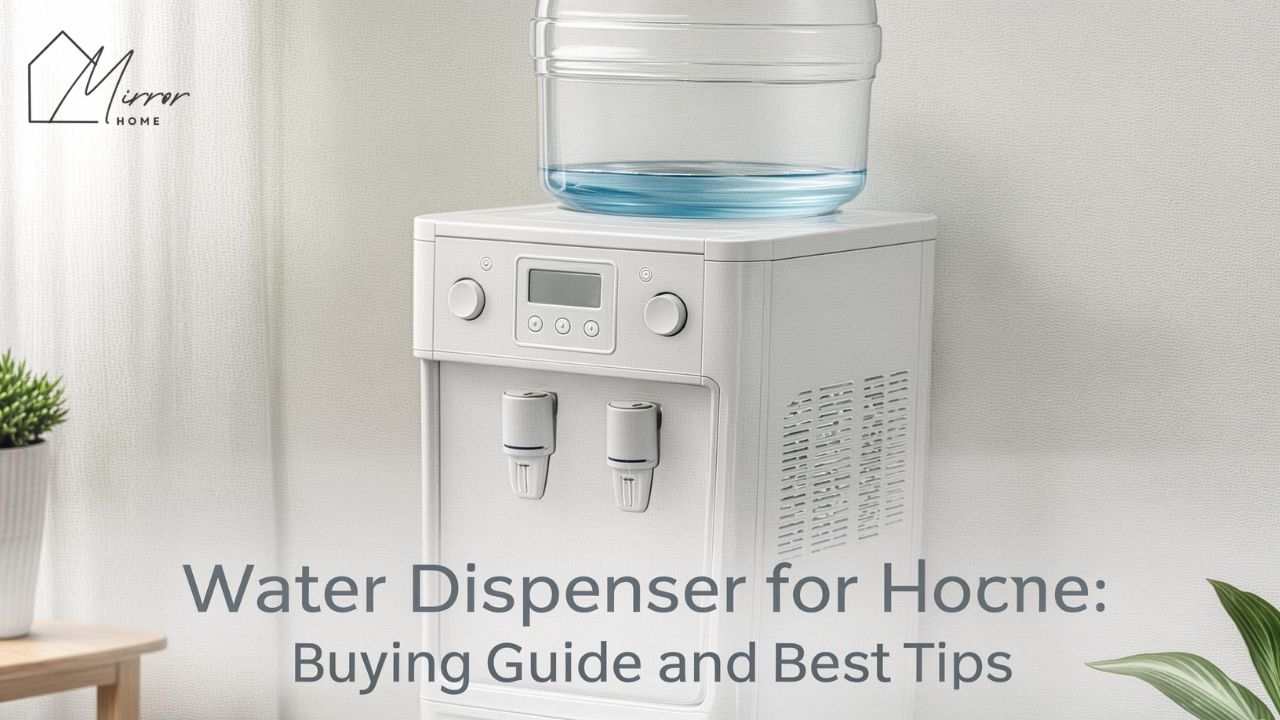
A top-load dispenser uses an upside-down water bottle placed on top of the unit.
Best for: families that use large water bottles and want a simple, affordable option.
Pros:
- Easy to see when water is low
- Usually cheaper than bottom-load models
- Common and widely available
Cons:
- Heavy bottle lifting
- Bottle is visible
- Not ideal for elderly users
Bottom-Load Water Dispenser
A bottom-load dispenser hides the bottle inside the lower cabinet. A pump pulls water upward.
Best for: homes that want easier bottle replacement and a cleaner look.
Pros:
- No heavy lifting above shoulder level
- Neater appearance
- Better for modern kitchens
Cons:
- Usually more expensive
- Pump may need repair over time
- Needs electricity to function properly
Countertop Water Dispenser
A countertop unit is compact and sits on a table, counter, or shelf.
Best for: apartments, small kitchens, offices, dorm rooms, and bedrooms.
Pros:
- Saves floor space
- Easy to move
- Usually budget-friendly
Cons:
- Smaller water capacity
- May not suit large families
- Can take up counter space
Bottleless Water Dispenser
A bottleless dispenser connects directly to your water supply and often includes filters.
Best for: families that want continuous water without buying bottles.
Pros:
- No bottle delivery
- Less plastic waste
- Continuous water supply
Cons:
- Higher setup cost
- Needs plumbing connection
- Filter replacement required
Features to Look For Before Buying
Hot and Cold Water Options
A hot and cold model is useful if your family drinks tea, coffee, instant soup, or warm water often. Cold water is helpful in summer, after workouts, or when guests visit.
That said, not every home needs both. If you only want normal drinking water, a non-electric dispenser may be enough.
Child Safety Lock
This is important if the unit has a hot water tap. A child safety lock helps prevent burns and accidental spills.
Cooling Capacity
Cooling capacity matters if many people use the dispenser daily. A small unit may struggle during hot weather or family gatherings.
Heating Capacity
If you use hot water often, check how fast the dispenser heats water and whether it maintains stable temperature.
Filter System
Some models include carbon filters, sediment filters, reverse osmosis filters, or UV purification. The right choice depends on your local water quality.
The CDC notes that common household water treatment methods include boiling, chlorine, filters, and sunlight exposure, depending on the situation.
Removable Drip Tray
A removable tray makes cleaning easier. It also keeps the floor or counter dry.
Noise Level
Some electric dispensers make compressor or pump noise. This may matter if the dispenser is placed in a bedroom, study room, or quiet office corner.
Bottled vs Bottleless Water Dispensers
Both options can work well, but they suit different homes.
| Feature | Bottled Dispenser | Bottleless Dispenser |
|---|---|---|
| Water source | Refillable bottle | Direct water line |
| Installation | Simple | Requires plumbing |
| Upfront cost | Lower | Higher |
| Ongoing cost | Bottle refills | Filter changes |
| Best for | Renters, small homes | Long-term homes |
| Maintenance | Bottle and tap cleaning | Filter and line care |
A bottled model is easier to install. A bottleless model is cleaner-looking and more convenient in the long run.
For renters, a bottled water dispenser for home is usually the safer choice because it does not require plumbing changes. For homeowners, bottleless may be better if the water line and filter system are reliable.
How to Choose the Right Size
Think about your daily water use first.
A single person or couple may only need a countertop unit. A family of four may prefer a floor-standing dispenser. A larger household may need a high-capacity model with fast cooling.
Use this simple guide:
| Household Type | Suggested Dispenser |
|---|---|
| 1–2 people | Countertop or small bottled unit |
| 3–5 people | Floor-standing hot and cold unit |
| Elderly users | Bottom-load dispenser |
| Large family | High-capacity bottled or bottleless unit |
| Small kitchen | Compact countertop model |
Also measure your space before buying. Leave room behind the unit for airflow, especially with electric models.
Cleaning and Maintenance Tips
A dispenser touches drinking water every day, so cleaning matters.
The CDC recommends washing water storage containers with soap and water, rinsing completely, and sanitizing before use. It also advises using unscented bleach with 5%–9% sodium hypochlorite for sanitizing storage containers.
Simple Cleaning Routine
- Wipe the outside weekly
- Empty and clean the drip tray often
- Clean taps and buttons with a food-safe cleaner
- Sanitize the water tank as recommended
- Replace filters on schedule
- Do not use cracked, dirty, or smelly bottles
Signs Your Dispenser Needs Cleaning
- Water tastes strange
- Water smells musty
- Flow becomes slow
- Drip tray has slime or stains
- Nozzle looks cloudy
- Bottle area has dust or insects
A clean water dispenser for home protects taste, hygiene, and peace of mind.
Common Mistakes to Avoid
Buying Only by Price
Cheap models may look attractive, but weak cooling, poor taps, and noisy motors can become frustrating.
Ignoring Bottle Weight
Large bottles can be heavy. If lifting is difficult, choose bottom-load or bottleless.
Forgetting Filter Costs
Filtered models need replacement filters. Always check filter price and availability before buying.
Placing It in Direct Sunlight
Sunlight can heat the unit and may affect water freshness. Keep the dispenser in a shaded, clean area.
Not Reading the Manual
Every model has different cleaning and setup instructions. The manual is boring, but it can save you from leaks and damage.
Cost and Energy Use
The cost depends on type, brand, capacity, and features.
A basic non-electric dispenser is usually the cheapest. A hot and cold floor-standing model costs more. A bottleless filtered system often has the highest upfront cost but may reduce bottle handling over time.
Energy use also matters. Hot and cold dispensers run compressors and heating elements. ENERGY STAR reports certified cold-only and cook-and-cold water coolers can save nearly $40 per year over standard models.
For lower bills, look for:
- Energy-saving mode
- Hot water switch
- Compressor cooling
- Good insulation
- ENERGY STAR certification where available
Best Placement Ideas
A dispenser should be easy to reach but not in the way.
Good places include:
- Kitchen corner
- Dining area
- Pantry
- Home office
- Living room side wall
- Near breakfast station
Avoid placing it near dust, cooking oil, bathrooms, direct sun, or heavy foot traffic.
A well-placed water dispenser for home feels natural. People should be able to walk up, fill a glass, and move on without blocking the kitchen.
Water Dispenser for Home Buying Checklist
Before buying, ask yourself:
| Question | Why It Matters |
|---|---|
| How many people will use it? | Helps choose capacity |
| Do I need hot water? | Avoids paying for features you do not use |
| Can I lift large bottles? | Decides top-load vs bottom-load |
| Do I need filtration? | Depends on water quality |
| Where will I place it? | Prevents space problems |
| Are filters easy to find? | Controls long-term cost |
| Is child safety needed? | Important for hot water models |
| Is noise a concern? | Matters for bedrooms and offices |
This checklist makes the buying process much easier.
Best Water Dispenser for Different Home Needs
Best for Small Apartments
Choose a countertop dispenser. It saves space and works well for one or two people.
Best for Families
A floor-standing hot and cold model is usually more practical. It handles daily use better.
Best for Elderly Users
A bottom-load model is safer and easier because the bottle does not need to be lifted high.
Best for Modern Kitchens
A bottleless dispenser with filtration gives a cleaner look and continuous supply.
Best for Budget Buyers
A simple top-load dispenser is usually the most affordable choice.
FAQ
Is a water dispenser better than keeping bottles in the fridge?
Yes, for many homes. A dispenser saves fridge space and gives water faster. It is also easier when several people need water throughout the day.
How often should I clean a water dispenser?
Clean the outside and drip tray weekly. Deep-clean the tank and taps based on the manufacturer’s instructions. If water tastes or smells different, clean it sooner.
Is hot water from a dispenser safe?
It can be safe when the unit is clean and working properly. Choose a model with a child safety lock if kids are at home.
Which is better, top-load or bottom-load?
Top-load is cheaper and simple. Bottom-load is easier to refill and looks cleaner. For elderly users or people who dislike lifting bottles, bottom-load is better.
Does a water dispenser use a lot of electricity?
Hot and cold models use more electricity than non-electric models. Energy-efficient units can reduce power use compared with standard models.
Can I use filtered water bottles with a dispenser?
Yes, if the bottle size and neck fit the dispenser. Always check compatibility before buying.
Do I need a filtered water dispenser?
You may need one if your tap water has taste, odor, sediment, or quality concerns. If you already buy purified water bottles, a regular bottled dispenser may be enough.
Where should I place a water dispenser at home?
Place it in a clean, shaded, easy-to-reach spot. Avoid direct sunlight, cooking grease, dust, and tight corners with poor airflow.
Conclusion
Choosing the right water dispenser for home is not only about cold water. It is about comfort, hygiene, space, safety, and daily routine.
For small homes, a countertop model may be perfect. For families, a hot and cold floor-standing unit is often better. For long-term convenience, a bottleless filtered system can be worth the investment.
The best choice is the one that fits your home naturally. It should make drinking water easier, cleaner, and more pleasant every single day.