Introduction
Ever walked into a room and instantly felt at peace—or completely overwhelmed? That’s the magic (or chaos) of design. The right interior decorating ideas can transform even the dullest space into something that feels alive, personal, and welcoming.
In reality, decorating your home isn’t just about trends or expensive furniture. It’s about storytelling—your story. Whether you’re working with a compact apartment or a spacious house, thoughtful design choices can dramatically impact your mood, productivity, and even relationships.
That said, many people feel stuck. Where do you begin? What works together? And how do you avoid costly mistakes? This guide breaks everything down into practical, real-life steps so you can confidently create a space that reflects you.

Understanding Interior Decorating Basics
Before diving into specific interior decorating ideas, it’s important to understand the foundation of good design.
What Is Interior Decorating?
Interior decorating focuses on enhancing the visual appeal and functionality of a space using:
- Furniture
- Colors
- Textures
- Lighting
- Accessories
Unlike interior design, which may involve structural changes, decorating is all about styling what already exists.
Core Elements of Good Decor
A well-balanced space typically includes:
- Color harmony (no clashing tones)
- Proportion & scale (furniture fits the space)
- Balance (visual weight is evenly distributed)
- Focal points (something that draws attention)
Think of it like cooking. You don’t need fancy ingredients—just the right combination.
Discover unique Goth Home Decor ideas at seedsheets.org, featuring dark elegance, vintage charm, and modern gothic style inspiration.
Interior Decorating Ideas for Every Room
Different rooms serve different purposes, and your approach should reflect that.
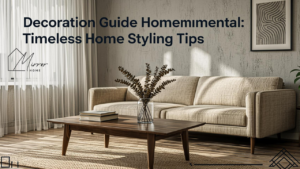
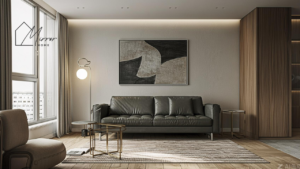
Living Room Styling Ideas
Your living room is where life happens—guests, family time, relaxation.
Some effective interior decorating ideas include:
- Layering textures (rugs, cushions, throws)
- Using a statement coffee table
- Adding indoor plants for freshness
- Creating a gallery wall with personal photos
A real-life example: Many homeowners report that simply adding warm lighting and neutral cushions makes their living room feel 30–40% more inviting.

Bedroom Decorating Ideas
Your bedroom should feel like a retreat.
Try:
- Soft, calming color palettes (beige, pastel blue, sage green)
- Layered bedding for comfort and style
- Minimal clutter for mental clarity
- Accent lighting instead of harsh ceiling lights
Kitchen & Dining Space Ideas
These areas should be functional yet inviting.
Ideas include:
- Open shelving for accessibility
- Statement pendant lights
- Wooden textures for warmth
- Coordinated table settings
Bathroom Decor Tips
Even small changes can elevate your bathroom:
- Add plants or greenery
- Use stylish storage baskets
- Replace old fixtures with modern ones
- Use mirrors to create the illusion of space
Choosing the Right Color Palette
Color is one of the most powerful tools in decorating.
Popular Color Schemes
| Style | Colors Used | Effect |
|---|---|---|
| Minimalist | White, grey, beige | Clean and calming |
| Modern | Black, white, bold accents | Sleek and stylish |
| Bohemian | Earth tones, vibrant mixes | Warm and artistic |
| Scandinavian | Light neutrals, soft pastels | Bright and airy |
How to Pick the Right Colors
Ask yourself:
- What mood do I want?
- How much natural light is available?
- What colors already exist in furniture?
One of the most underrated interior decorating ideas is sticking to a 60-30-10 rule:
- 60% dominant color
- 30% secondary color
- 10% accent color
Furniture Arrangement That Works
Even the best furniture looks awkward if placed incorrectly.
Key Principles
- Leave enough walking space
- Avoid pushing everything against the wall
- Create conversation zones
- Use rugs to define areas
Example Layout Strategy
For a small living room:
- Place the sofa facing the focal point
- Add a small coffee table
- Use vertical storage to save space
This is one of those interior decorating ideas that costs nothing but changes everything.
Lighting Tricks That Change Everything
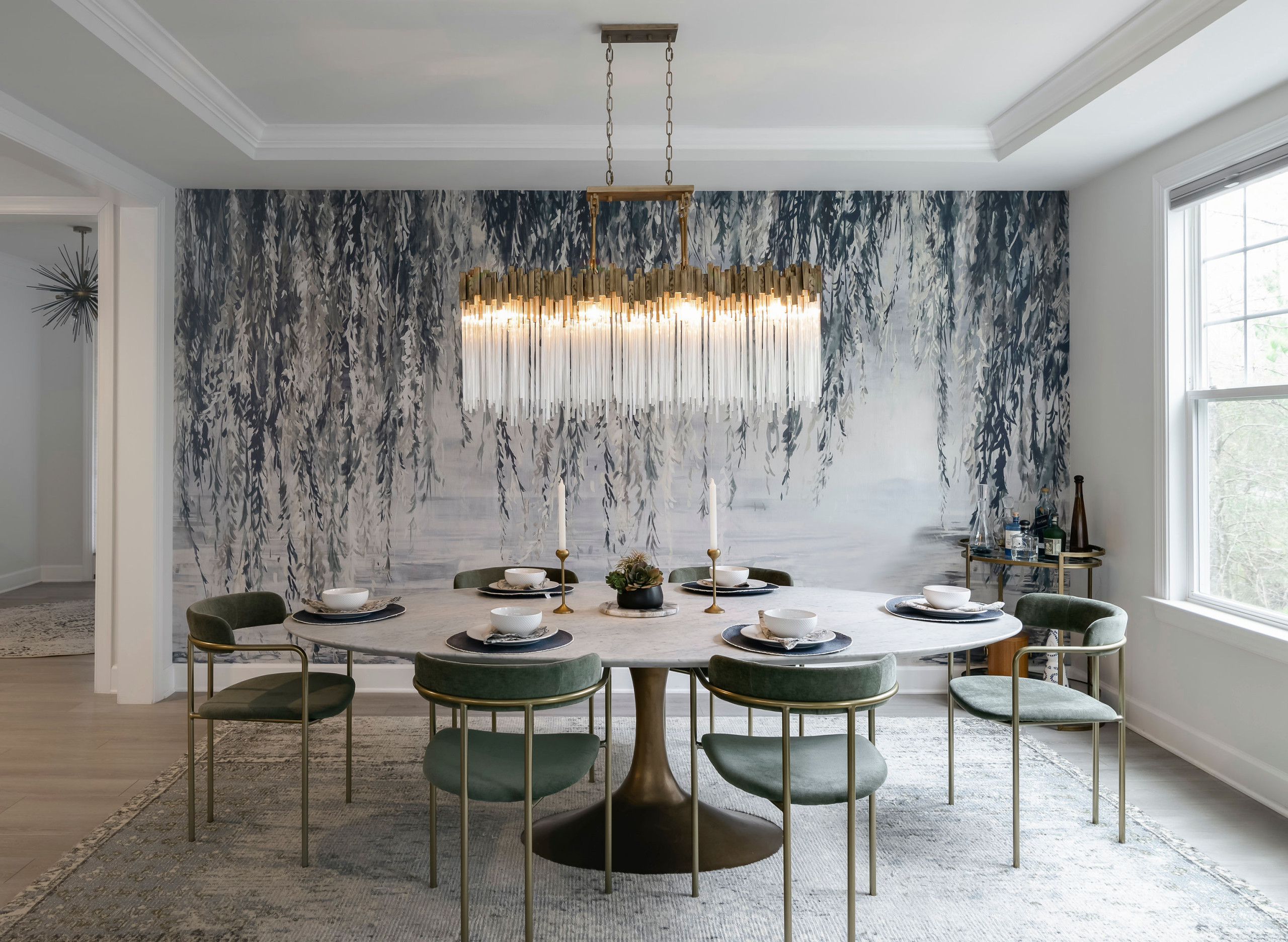
Lighting is often overlooked—but it’s a game changer.
Types of Lighting
- Ambient lighting – overall illumination
- Task lighting – reading, cooking
- Accent lighting – highlighting decor
Smart Lighting Tips
- Use warm light for cozy spaces
- Combine multiple light sources
- Add dimmers for flexibility
- Use mirrors to reflect light
Proper lighting can increase perceived comfort by up to 50%, according to interior studies.
Budget-Friendly Interior Decorating Ideas
You don’t need a big budget to create a beautiful home.
Affordable Ideas That Work
- Rearrange existing furniture
- Use DIY wall art
- Add indoor plants
- Replace cushion covers
- Use peel-and-stick wallpaper
Quick Budget Transformation List
- Change curtains
- Add a statement rug
- Upgrade lighting fixtures
- Declutter aggressively
Many people underestimate how impactful small changes can be. In fact, one of the smartest interior decorating ideas is simply removing unnecessary items.
Trends vs Timeless Design
Trends come and go—but timeless design stays relevant.
Current Trends
- Natural materials (wood, stone)
- Earthy tones
- Minimalist layouts
- Sustainable decor
Timeless Elements
- Neutral color palettes
- Classic furniture shapes
- Functional layouts
- Quality over quantity
The best interior decorating ideas balance both—trendy accents with timeless foundations.
Personal Background: From Hobby to Professional Interior Styling
Many successful decorators didn’t start professionally—they started by experimenting at home.
Career Journey
Take, for example, someone who began by decorating their small apartment:
- Started with DIY projects
- Shared photos online
- Built a following
- Eventually turned it into a business
Achievements
- Worked with clients
- Featured in design blogs
- Created online courses
Estimated Earnings
Interior decorators can earn anywhere between:
- $30,000 to $100,000+ annually
- High-end professionals even more
This shows how powerful mastering interior decorating ideas can be—not just creatively, but financially.
Common Decorating Mistakes to Avoid
Even the best intentions can go wrong.
Top Mistakes
- Overcrowding the space
- Ignoring lighting
- Using too many colors
- Buying furniture that’s too large or small
- Following trends blindly
Quick Fixes
- Edit your space regularly
- Stick to a consistent theme
- Measure before buying anything
Avoiding these mistakes can instantly elevate your design.
FAQ
What are the best interior decorating ideas for small spaces?
Focus on multifunctional furniture, light colors, mirrors, and vertical storage.
How often should I update my home decor?
Minor updates every 6–12 months and major changes every few years work best.
Can I decorate my home without a designer?
Absolutely. With the right interior decorating ideas, anyone can create a beautiful space.
What is the most important element in decorating?
Balance between color, furniture, and lighting.
How do I choose a decorating style?
Start with what you love—then refine it into a cohesive theme.
Are plants really important in decor?
Yes, they improve air quality and add life to any room.
What’s the easiest way to refresh a room?
Change textiles like cushions, curtains, and rugs.
How do I avoid clutter?
Follow a “less is more” approach and regularly declutter.
Conclusion
Decorating your home isn’t about perfection—it’s about connection. The best spaces aren’t the most expensive; they’re the ones that feel right the moment you step inside.
By applying thoughtful interior decorating ideas, you can turn any space—big or small—into something meaningful, functional, and beautiful. Start small, experiment often, and trust your instincts.
Because at the end of the day, your home should feel like you.