Introduction
There’s something undeniably magnetic about an industrial living room—the raw textures, the unapologetic materials, and that perfect blend of rugged and refined. It feels real. Not staged. Not overly polished. Just honest design that tells a story.
If you’ve ever walked into a space with exposed brick walls, metal fixtures, and weathered wood furniture, you already know the vibe. A well-designed industrial living room doesn’t just look good—it feels lived-in, grounded, and effortlessly cool.
But here’s the catch: most people get it wrong. They either overdo the “factory” look or make it too sterile. The result? A space that feels more like a warehouse than a home.
This guide cuts through the fluff. You’ll learn exactly how to design an industrial-style living room that actually works—visually, functionally, and emotionally.

What Defines an Industrial Living Room
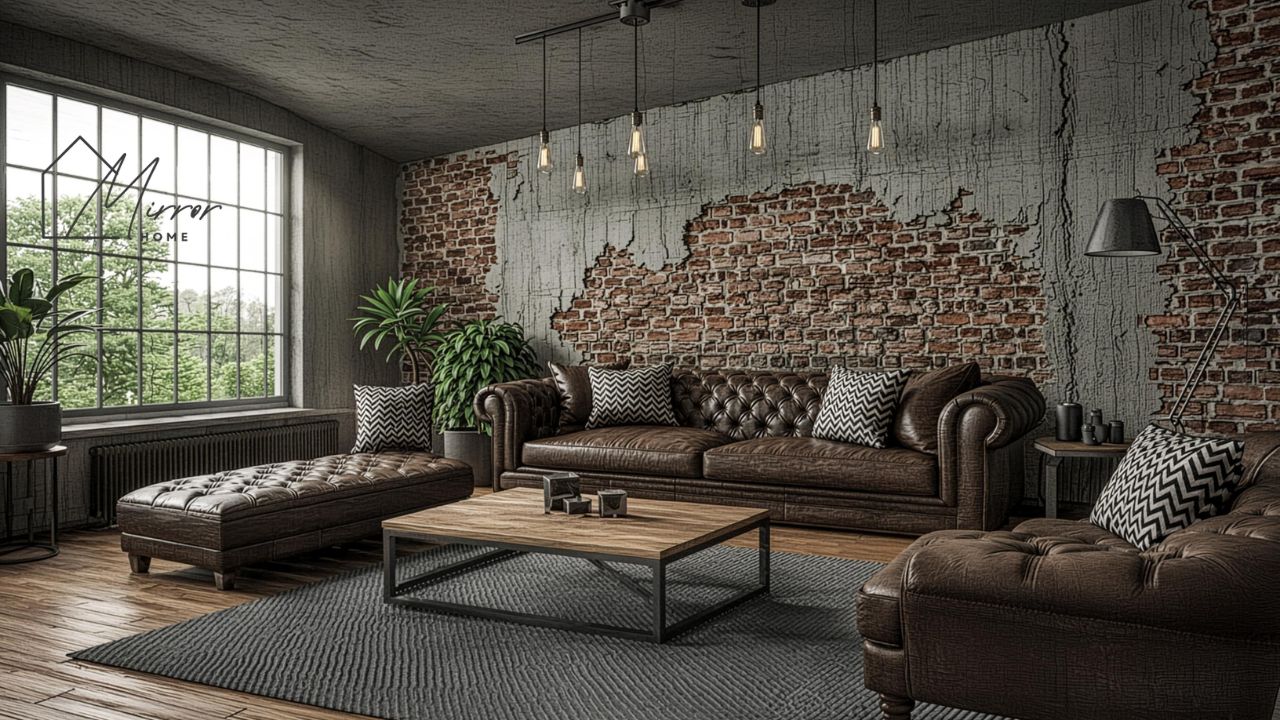
At its core, an industrial living room is inspired by old factories and warehouses—spaces built for function, not aesthetics. Ironically, that’s exactly what makes them beautiful today.
Key Characteristics
- Exposed materials (brick, concrete, steel)
- Open layouts and high ceilings
- Neutral, muted color schemes
- Functional furniture with minimal ornamentation
- Vintage or reclaimed elements
The Real Philosophy Behind It
This isn’t just a design style—it’s a mindset.
Industrial design embraces imperfection. Scratches, rust, wear marks—they’re not flaws. They’re features.
That’s where most people go wrong. They try to make everything look new. But in an industrial setting, new often looks fake.
Key Elements of Industrial Living Room Design
To build a convincing industrial living room, you need to focus on a few non-negotiable elements. Skip these, and the whole look falls apart.
Raw Materials
You cannot fake authenticity here.
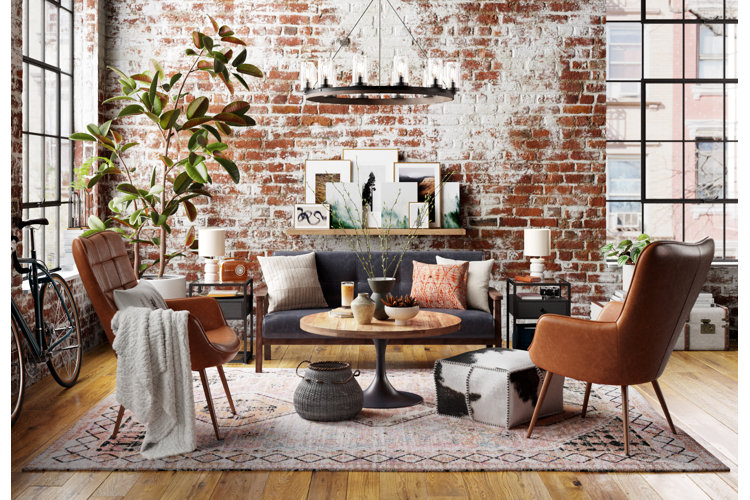
- Brick walls (real or veneer)
- Concrete floors or walls
- Steel beams or accents
- Reclaimed wood
If your space doesn’t have these naturally, you’ll need to simulate them—carefully. Cheap imitations ruin credibility fast.
Open Space
Industrial interiors breathe.
- Avoid clutter
- Use fewer but larger furniture pieces
- Keep layouts simple and functional
Neutral Base
Stick to:
- Gray
- Black
- White
- Brown tones
Add color sparingly—this isn’t a rainbow-friendly style.

Choosing the Right Industrial Living Room Furniture
Furniture can make or break your design. Most people either go too rustic or too modern—both kill the balance.
What Works
- Leather sofas (especially distressed brown or black)
- Metal-framed coffee tables
- Wooden shelves with iron brackets
- Minimalist TV units
What Doesn’t
- Glossy finishes
- Overly decorative pieces
- Soft pastel upholstery
Quick Comparison Table
| Element | Good Choice | Bad Choice |
|---|---|---|
| Sofa | Distressed leather | Velvet pastel sofa |
| Table | Reclaimed wood + metal | Glass chrome table |
| Storage | Open metal shelving | Ornate cabinets |
| Decor | Vintage industrial items | Fancy decorative statues |

Color Palettes That Actually Work
Color is where subtlety matters.
Go-To Industrial Palette
- Charcoal gray
- Matte black
- Warm brown
- Off-white
Accent Colors (Use Carefully)
- Deep green
- Rust orange
- Navy blue
Too much color destroys the industrial vibe. You’re aiming for understated, not boring.
Lighting Ideas for an Industrial Living Room
Lighting is not decoration here—it’s a statement.
Best Lighting Choices
- Edison bulb fixtures
- Metal pendant lights
- Floor lamps with exposed wiring
- Track lighting
Placement Strategy
- Focus on zones (sofa area, reading corner)
- Avoid overly bright white lighting
- Use warm tones for contrast
Bad lighting = cold, lifeless space.
How to Add Warmth Without Ruining the Style
Here’s the biggest challenge: industrial design can feel cold.
You need warmth—but not softness that breaks the theme.
Smart Ways to Add Warmth
- Textured rugs (neutral tones)
- Throw blankets (wool or cotton)
- Indoor plants (minimal but impactful)
- Warm lighting
What NOT to Do
- Floral patterns
- Bright cushions
- Over-decorating
Balance is everything.

Small Industrial Living Room Ideas
Limited space? That’s not an excuse.
In fact, small spaces can look even better with industrial design—if done right.
Practical Tips
- Use vertical storage
- Stick to 2–3 materials max
- Choose multifunctional furniture
- Keep color palette tight
Optical Tricks
- Mirrors with metal frames
- Light walls + dark furniture contrast
- Open shelving instead of cabinets
Budget-Friendly Industrial Living Room Tips
You don’t need a massive budget. You need strategy.
High Impact, Low Cost
- DIY pipe shelves
- Peel-and-stick brick wallpaper
- Second-hand leather furniture
- Repurposed wood tables
Where to Spend vs Save
| Spend On | Save On |
|---|---|
| Sofa | Decorative accessories |
| Lighting fixtures | Wall finishes |
| Coffee table | Small decor items |
Cheap doesn’t mean bad—but cheap-looking absolutely does.
Common Mistakes to Avoid
This is where most people fail.
1. Overdoing the Theme
Too much metal + too much dark = depressing space
2. Ignoring Comfort
Industrial doesn’t mean uncomfortable
3. Using Fake Materials
Cheap imitations kill authenticity instantly
4. Poor Lighting Choices
Cold lighting ruins the entire atmosphere
5. Clutter
Industrial design needs breathing space
Personal Background & Design Influence (Industrial Style Origins)
Industrial interior design didn’t start as a trend—it started as a necessity.
Back in the early 20th century, abandoned factories in cities like New York and London were converted into living spaces. Artists and creatives moved in because rents were cheap and spaces were huge.
Evolution
- 1950s–70s: Artists occupy warehouses
- 1980s: Loft living becomes trendy
- 2000s+: Industrial style becomes mainstream
Why It Works Today
- People crave authenticity
- Minimalism fatigue is real
- Raw materials feel more “honest”
Financial Perspective
Industrial-style interiors often increase perceived property value—especially in urban markets.
Why? Because:
- They look premium without excessive cost
- They appeal to modern buyers
- They photograph extremely well (important for listings)
FAQs
What is an industrial living room style?
An industrial living room style is inspired by warehouses and factories, featuring raw materials, open layouts, and minimal decoration.
Is industrial design expensive?
Not necessarily. Smart sourcing and DIY elements can make it very budget-friendly.
Can I create an industrial living room in a small space?
Yes—and often more effectively. The key is simplicity and smart furniture choices.
What colors are best for an industrial living room?
Neutral tones like gray, black, white, and brown work best, with subtle accent colors.
How do I make an industrial living room cozy?
Add warm lighting, textured fabrics, and a few natural elements like plants.
Is industrial style going out of trend?
No. It’s evolving but remains one of the most popular modern interior styles.
What flooring works best?
Concrete, wood, or laminate with a raw finish works best.
Can I mix industrial with other styles?
Yes—industrial blends well with modern, rustic, and minimalist styles.
Conclusion
A well-designed industrial living room isn’t about copying Pinterest photos—it’s about understanding the balance between raw and refined.
If you strip it down, the formula is simple: authentic materials, functional design, and controlled minimalism. But executing it? That’s where most people fail.
Avoid the common traps. Focus on quality over quantity. And most importantly—don’t try to make it perfect.
Because the real beauty of industrial design lies in its imperfections.