Introduction
If you’ve ever searched for reliable information about lakeland building su, you’ve probably noticed how little clear, practical guidance is out there. That’s frustrating—especially when you’re trying to make decisions that affect time, money, and long-term value.
The truth is, lakeland building su isn’t just another vague construction term. It’s tied to how modern buildings are designed, managed, and optimized for efficiency. Whether you’re an investor, contractor, or someone simply curious about the building ecosystem, understanding this concept can give you a serious edge.
Think of it this way: buildings today are no longer just physical structures. They’re systems—living, evolving environments that need smart planning and execution. And that’s exactly where lakeland building su comes into play.

What Is Lakeland Building SU?
Definition and Core Meaning
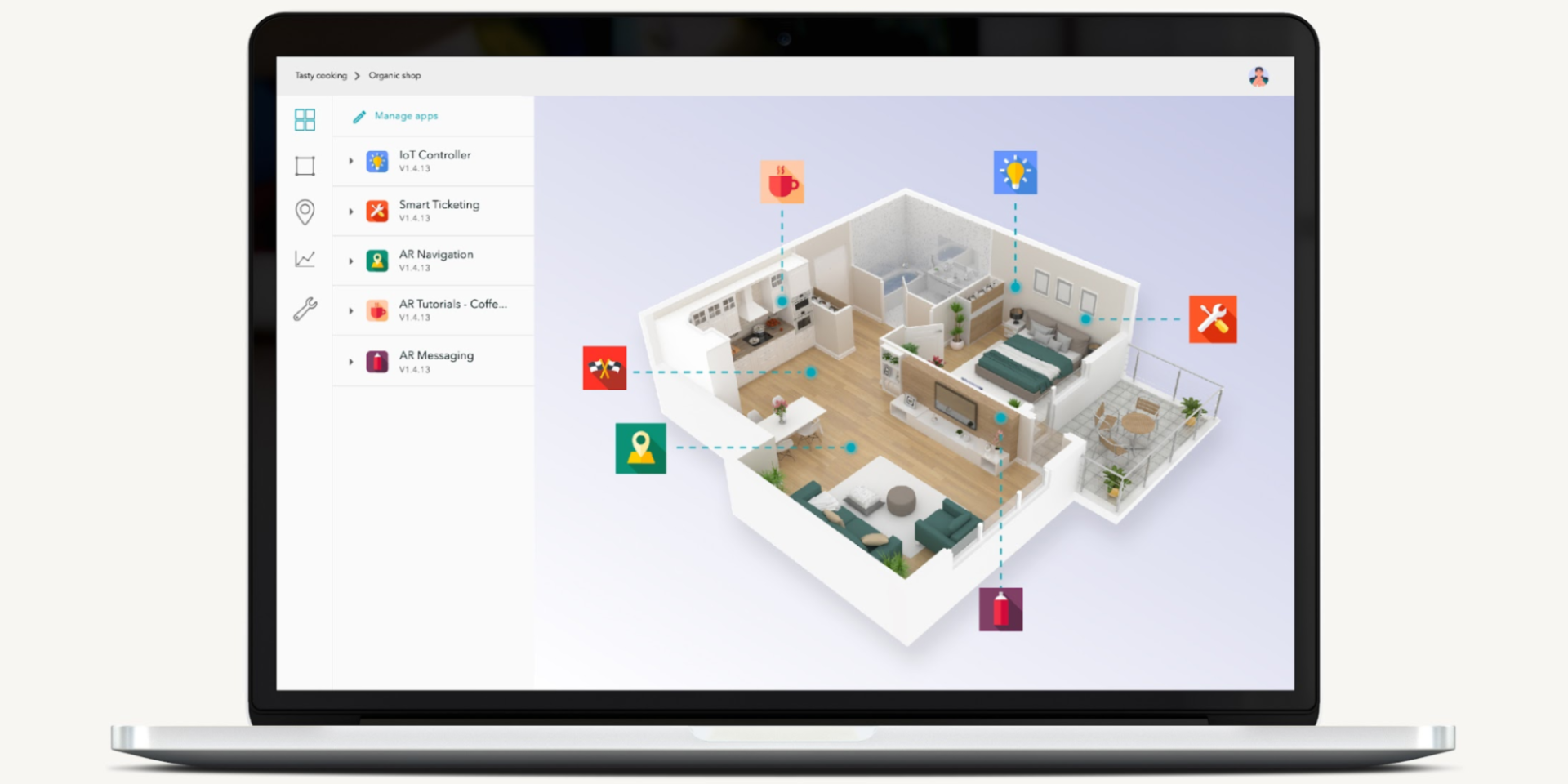
At its core, lakeland building su refers to a structured approach to building systems integration, supervision, and optimization. The “SU” typically points toward supervisory units or systems used to manage different building operations.
In simple terms, it’s about ensuring that every system inside a building—like HVAC, electrical, plumbing, and security—works together seamlessly.
Why This Concept Exists
Modern buildings are complex. Gone are the days when you could treat systems separately. Today:
- Energy efficiency is critical
- Smart automation is expected
- Maintenance must be predictive, not reactive
Lakeland building su exists to bring all these moving parts under one coordinated framework.
Why Lakeland Building SU Matters in Modern Construction
Efficiency Isn’t Optional Anymore
Energy costs are rising globally. According to industry reports, buildings account for nearly 40% of total energy consumption. Without integrated systems like lakeland building su, inefficiencies multiply quickly.
Risk Reduction
Poor coordination between systems can lead to:
- Electrical overloads
- HVAC failures
- Safety hazards
Using lakeland building su reduces these risks by creating centralized oversight.
Cost Savings Over Time
Upfront investment might seem higher. But over time:
- Maintenance costs drop
- Energy bills decrease
- System lifespan increases
That’s a clear ROI advantage.
Key Components of Lakeland Building SU
1. Building Management Systems (BMS)
This is the brain of the operation. It monitors and controls:
- Lighting
- Heating and cooling
- Security systems
2. Supervisory Control Units
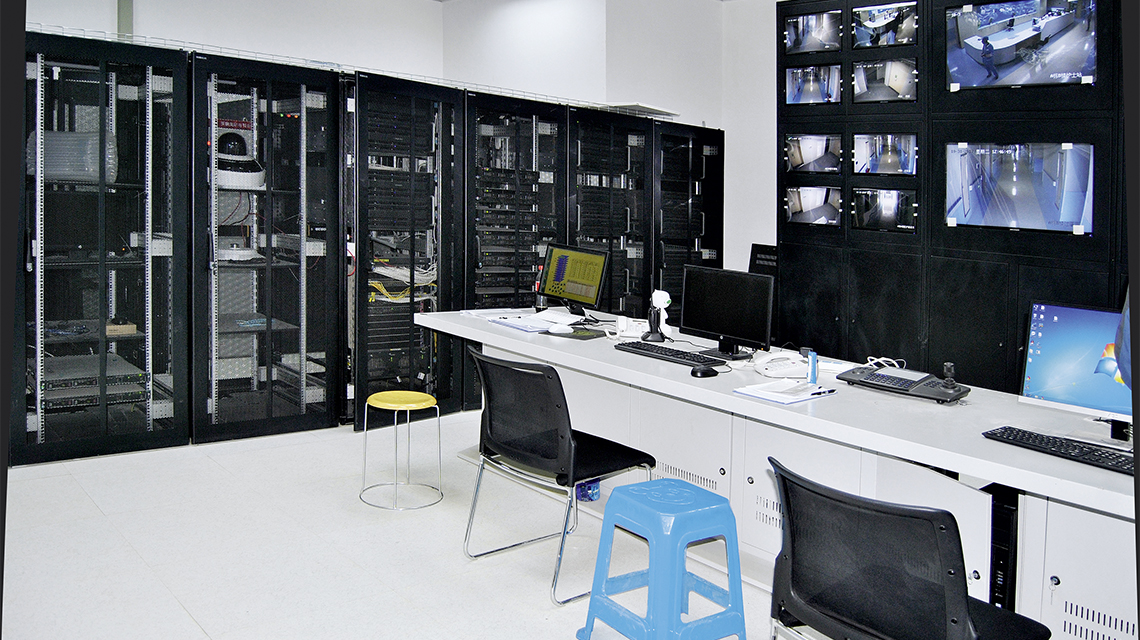
These units collect data and make real-time decisions. They ensure everything runs efficiently without constant human intervention.
3. Integration Framework
This connects all systems into one network. Without this, systems operate in isolation—which is inefficient.
4. Data Analytics Layer
Modern lakeland building su setups use analytics to:
- Predict failures
- Optimize energy usage
- Improve performance
Benefits of Using Lakeland Building SU
Improved Energy Efficiency
Buildings using integrated systems can reduce energy consumption by up to 25–30%.
Enhanced Comfort
Occupants experience:
- Better temperature control
- Improved air quality
- Consistent lighting
Lower Maintenance Costs
Predictive maintenance means fewer emergency repairs.
Scalability
As buildings grow or change, lakeland building su systems can adapt easily.
Lakeland Building SU in Commercial vs Residential Projects
Commercial Buildings
In commercial settings, lakeland building su is almost mandatory. Offices, malls, and hospitals rely heavily on integrated systems.
Key advantages:
- Large-scale energy management
- Centralized control
- Compliance with regulations
Residential Projects
In homes, adoption is growing—especially in smart homes.
Examples include:
- Smart thermostats
- Automated lighting
- Security monitoring systems
However, implementation is often simpler compared to commercial setups.
Common Mistakes and Misconceptions
Mistake 1: Treating It as Optional
Many developers think lakeland building su is a luxury. That’s outdated thinking. It’s becoming a standard requirement.
Mistake 2: Poor Integration Planning
If systems aren’t designed to work together from the start, retrofitting becomes expensive.
Mistake 3: Ignoring Data
The biggest advantage of lakeland building su is data. Not using it properly defeats the purpose.
Real-World Applications and Examples
Example 1: Office Buildings
A modern office building uses lakeland building su to:
- Adjust lighting based on occupancy
- Optimize air conditioning
- Monitor energy usage in real time
Example 2: Hospitals
Hospitals rely heavily on system integration:
- Temperature control for patient safety
- Backup power systems
- Security monitoring
Example 3: Shopping Malls
Malls use it for:
- Crowd management
- Escalator and elevator control
- Energy optimization during peak hours

Career Opportunities & Industry Insights
Growing Demand
The demand for professionals skilled in lakeland building su is rising rapidly.
Roles include:
- Building systems engineer
- Automation specialist
- Energy analyst
Skills Required
To succeed, you need:
- Technical knowledge (HVAC, electrical systems)
- Data analysis skills
- Understanding of automation technologies
Salary Insights
Depending on region and expertise:
- Entry-level: $40,000–$60,000/year
- Mid-level: $70,000–$100,000/year
- Senior experts: $120,000+
Personal Background & Financial Insights in the Industry
Career Journey
Most professionals in this field start with:
- Engineering degrees
- Technical certifications
They then specialize in building systems or automation.
Achievements in the Industry
Top professionals often:
- Lead large-scale infrastructure projects
- Develop innovative energy-saving systems
- Work with multinational construction firms
Financial Growth
This field offers strong financial potential due to:
- High demand
- Specialized skill requirements
- Long-term industry growth
In reality, this isn’t a saturated market yet—which means opportunity is still wide open.
Future Trends in Lakeland Building SU
AI Integration
Artificial intelligence is transforming how buildings operate. Systems will soon:
- Learn user behavior
- Predict energy needs
- Automate decision-making
Sustainability Focus
Green buildings are no longer optional. Lakeland building su will play a key role in:
- Reducing carbon footprints
- Meeting environmental regulations
IoT Expansion
More devices are getting connected. This increases the importance of centralized control systems.
FAQs
What does lakeland building su actually mean?
It refers to integrated systems that manage and optimize building operations through centralized supervision.
Is lakeland building su only for large buildings?
No. While common in commercial projects, it’s increasingly used in residential buildings as well.
How expensive is it to implement?
Costs vary, but long-term savings often outweigh initial investment.
Can existing buildings adopt lakeland building su?
Yes, but retrofitting can be more complex and costly than starting from scratch.
What industries benefit the most?
Commercial real estate, healthcare, and retail benefit significantly.
Does it require constant monitoring?
No. Most systems are automated and require minimal human intervention.
Is technical expertise required?
Yes. Proper implementation requires skilled professionals.
How does it improve energy efficiency?
By optimizing system performance and reducing waste through real-time monitoring.
Conclusion
Understanding lakeland building su isn’t just about learning another construction term—it’s about recognizing where the entire building industry is heading.
Buildings are becoming smarter, more efficient, and more interconnected. Ignoring this shift means falling behind—whether you’re a developer, investor, or professional in the field.
The smart move? Start treating lakeland building su as a necessity, not an upgrade. Because in the next few years, it won’t be optional anymore—it’ll be the baseline.