Introduction
If you’ve ever stood in the middle of your living room wondering why it doesn’t feel right, you’re not alone. Decorating a home looks simple online, but in reality, it’s full of small decisions that quietly shape how a space feels and functions. That’s where decorator advice .com steps in—with clarity instead of confusion.
What makes decorating overwhelming isn’t a lack of inspiration; it’s too much of it. Endless pins, trends that change every season, and “perfect” homes that don’t match real life. decorator advice .com focuses on practical, livable guidance that helps people make confident choices without second-guessing every purchase.
Whether you’re refreshing a single room or rethinking your entire home, the right advice can save money, time, and frustration. This guide explores how decorator advice .com approaches home styling—and how you can apply those principles to create spaces that actually work for you.

Understanding DecoratorAdvice.com
What decorator advice .com actually offers
At its core, decorator advice .com is about translating professional interior design thinking into everyday language. Instead of pushing expensive makeovers or unrealistic ideals, it breaks decorating into decisions people can understand and apply.
The platform emphasizes:
- Function before aesthetics
- Real homes, not showroom spaces
- Practical layouts over fleeting trends
That approach resonates with homeowners, renters, and even first-time decorators who want results without overwhelm.
Why people trust decorator advice .com
Trust comes from consistency. The advice shared aligns with established interior design fundamentals—balance, scale, proportion—while staying flexible enough to adapt to personal taste. Readers aren’t told to copy a style; they’re taught why something works.
In reality, good decorating advice doesn’t dictate. It guides.
How Professional Decorating Advice Really Works
The difference between inspiration and instruction
Scrolling through beautiful images can spark ideas, but it rarely explains execution. decorator advice .com bridges that gap by explaining how to:
- Choose the right furniture size
- Balance color without overpowering a space
- Combine textures for warmth and depth
Professional decorators don’t start with throw pillows. They start with layout, lighting, and flow.
Decorating is problem-solving
Every space has constraints—budget, size, lighting, lifestyle. Effective decorator advice treats these as inputs, not obstacles. For example:
- A small room benefits from fewer, larger pieces
- Poor lighting can be improved with layered sources
- Busy households need durable, forgiving materials
This practical mindset defines the philosophy behind decorator advice .com.

Core Decorating Principles Explained Simply
Balance, scale, and proportion
These terms sound technical, but they’re intuitive in practice.
- Balance ensures visual weight feels even
- Scale relates object size to room size
- Proportion governs how elements relate to each other
When these align, a room feels calm—even before decor is added.
Color psychology in real homes
Color affects mood more than most people realize. Soft neutrals promote calm, while saturated tones energize. decorator advice .com encourages using color intentionally:
- Neutrals as foundations
- Accent colors for personality
- Consistency across adjoining spaces
That said, personal preference always comes first.
Texture matters more than trends
A neutral room can feel flat without texture. Mixing wood, metal, fabric, and natural elements adds depth without clutter. This is one of the most overlooked tips emphasized by decorator advice .com.
Room-by-Room Decorating Guidance
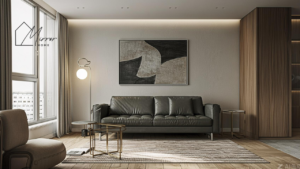
Living rooms that invite conversation
Living rooms succeed when seating encourages interaction. Instead of pushing furniture to walls, professional advice recommends:
- Floating furniture where possible
- Anchoring layouts with rugs
- Using coffee tables proportionate to seating
These adjustments subtly improve comfort and flow.
Bedrooms designed for rest
Bedrooms should feel restorative, not busy. Decorator advice .com consistently highlights:
- Layered bedding for comfort and style
- Soft, indirect lighting
- Minimal visual clutter
In reality, fewer decorative elements often create more impact.
Kitchens that balance beauty and function
Kitchens are working spaces first. Decorator advice emphasizes:
- Clear countertops
- Practical storage solutions
- Lighting that supports tasks
Decor should support movement, not obstruct it.
Budget-Friendly Decorating Without Compromise
Where to invest—and where to save
Not everything deserves equal spending. According to guidance from Decorator advice .com, it’s smarter to invest in:
- Sofas and mattresses
- Rugs that define space
- Quality lighting fixtures
Meanwhile, decor accents, art, and accessories can be updated affordably over time.
Smart upgrades that change everything
Small changes often yield the biggest results:
- Replacing outdated hardware
- Updating lampshades
- Adding mirrors to reflect light
These tweaks cost less but dramatically improve perception.

Common Decorating Mistakes and How to Avoid Them
Buying before planning
Impulse purchases are the fastest way to clutter. Decorator advice .com recommends measuring first, planning layouts, and sticking to a palette.
Overdecorating
More isn’t better. Rooms need negative space to breathe. Leaving some areas intentionally empty improves visual comfort.
Ignoring lighting layers
Relying on a single overhead light flattens a room. Layering ambient, task, and accent lighting creates atmosphere and flexibility.
Trends vs Timeless Design: What Actually Lasts
Why trends fade faster than you think
Trends create excitement but age quickly. That said, decorator advice doesn’t reject trends outright—it contextualizes them.
How decorator advice .com balances both
The strategy is simple:
- Use timeless foundations
- Layer trends through accessories
- Replace trends, not core elements
This approach saves money and prevents regret.
Personal Background and Brand Journey
The philosophy behind decorator advice .com
Decorator advice .com was built on the idea that good design should be accessible. Its content draws from professional interior design principles, hands-on decorating experience, and real-world constraints faced by everyday homeowners.
Career focus and achievements
Over time, the platform has grown into a trusted resource for readers seeking clear, judgment-free guidance. Its strength lies in simplifying complex design concepts without diluting their effectiveness.
Financial perspective and value
Rather than promoting luxury spending, decorator advice .com consistently advocates for smart allocation of resources. The value comes not from cost, but from thoughtful decision-making—an approach that resonates with budget-conscious and design-savvy audiences alike.
FAQs
What makes decorator advice .com different from other decor blogs?
It focuses on practical application, not just inspiration, explaining why design choices work.
Is decorator advice .com suitable for small spaces?
Yes. Many recommendations specifically address apartments and compact homes.
Can beginners follow the advice easily?
Absolutely. The content is written for non-designers using clear, everyday language.
Does decorator advice .com promote expensive products?
No. It emphasizes value, balance, and function over price tags.
How often should decor be updated?
Foundations should last years; accents can change seasonally or as tastes evolve.
Is professional design experience required to apply these tips?
Not at all. The guidance is meant to empower everyday decision-making.
Does decorator advice .com follow current design trends?
It acknowledges trends but prioritizes timeless design principles.
Can renters benefit from decorator advice .com?
Yes. Many tips are renter-friendly and reversible.
Conclusion
Decorating doesn’t have to feel intimidating or expensive to be effective. With grounded guidance, clear explanations, and realistic expectations, decorator advice .com shows that good design is less about perfection and more about intention. When you understand why choices work, decorating becomes less stressful—and far more rewarding.