Introduction
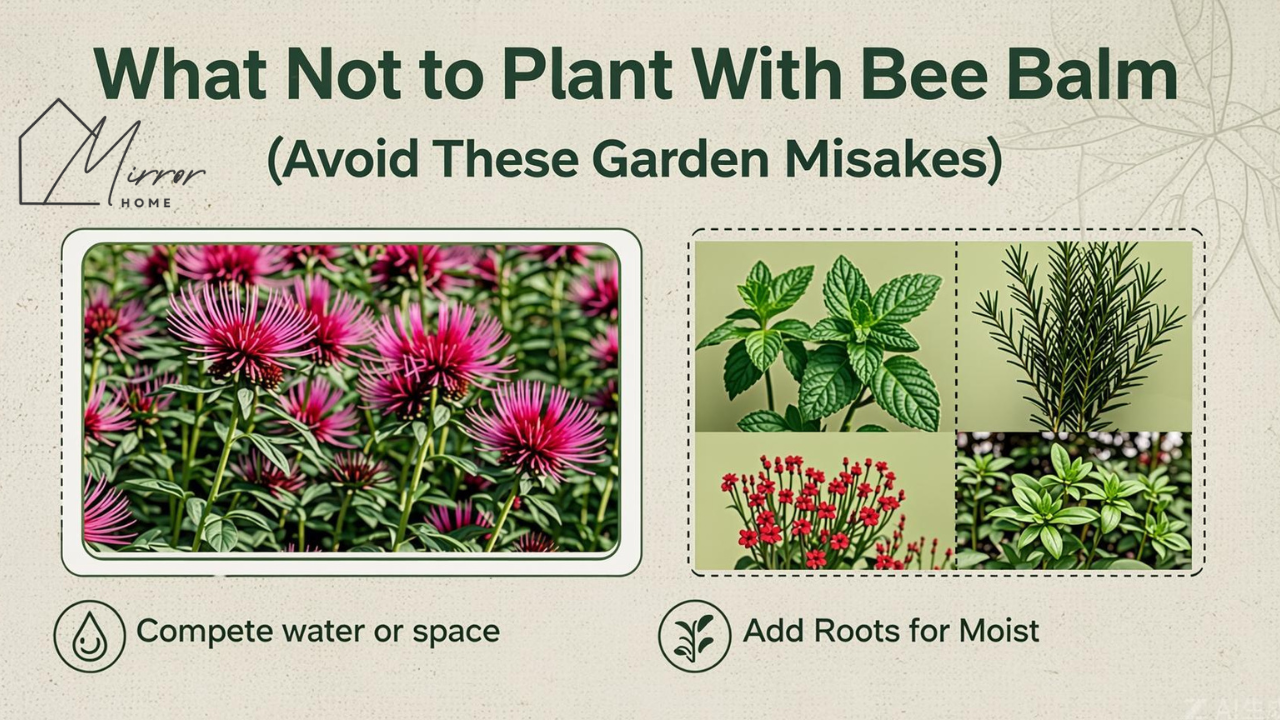
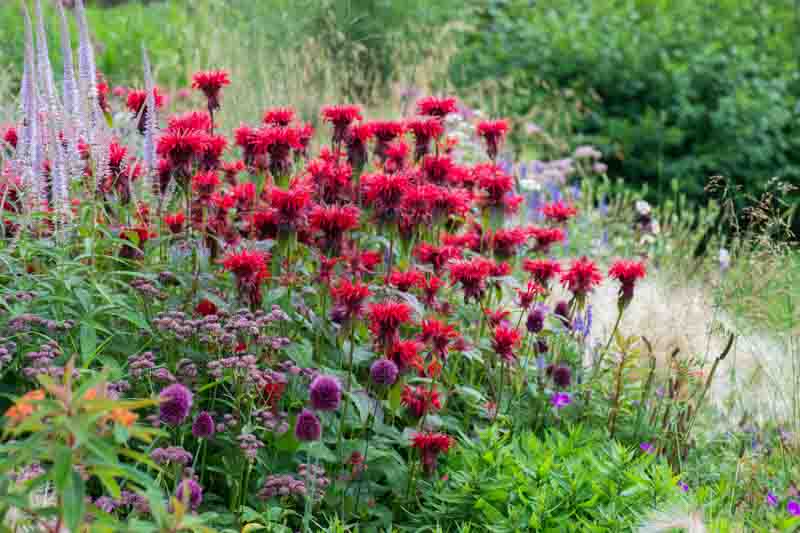
Bee balm is one of those plants that feels like a garden win the moment it blooms. The color, the fragrance, the pollinators—it all looks effortless. But here’s the truth most gardeners only learn the hard way: what not to plant with bee balm matters just as much as choosing the plant itself.
In reality, bee balm (Monarda) is generous, fast-growing, and sometimes a little too enthusiastic. When paired with the wrong neighbors, it can trigger disease, overcrowding, and underwhelming blooms across your garden bed.
That’s why understanding what not to plant with bee balm isn’t about being overly cautious—it’s about protecting your time, soil, and long-term garden health. Let’s break down the real-world planting mistakes gardeners make and how to avoid them with confidence.


Plants That Compete Aggressively With Bee Balm
Why aggressive growers are a problem
Bee balm already grows fast. When you pair it with plants that spread just as aggressively, competition becomes inevitable. Roots fight underground, foliage crowds above, and suddenly nothing thrives the way it should.
If you’re wondering what not to plant with bee balm, aggressive spreaders should be at the top of the list.
Mint (Mentha)
Mint and bee balm may be relatives, but they’re terrible roommates. Both spread through underground runners, and when planted together, they create a chaotic root system that’s nearly impossible to manage.
What usually happens:
- Bee balm loses airflow
- Mint overtakes soil nutrients
- Harvesting or thinning becomes frustrating
Bamboo (ornamental varieties)
Even clumping bamboo can dominate moisture and nutrients. Bee balm struggles when nearby plants draw excessive water, especially during hot months.
Lemon balm
This one surprises gardeners. Lemon balm looks gentle, but it spreads aggressively and competes directly with bee balm’s root space and sunlight.
Moisture-Loving Plants That Increase Disease Risk
Bee balm already holds moisture
Bee balm’s dense foliage naturally traps humidity. Pairing it with plants that also demand constant moisture creates a microclimate perfect for fungal diseases.
Understanding what not to plant with bee balm means paying attention to moisture compatibility, not just sunlight needs.
Hostas
Hostas thrive in damp, shaded environments. Bee balm prefers moisture—but with airflow. Together, they increase the likelihood of fungal infections like powdery mildew.
Ferns
Ferns raise humidity levels around their base. When planted near bee balm, airflow drops and disease risk spikes.
Astilbe
Astilbe loves consistently wet soil. Bee balm does not. This mismatch leads to stressed roots and weaker blooms.
Plants Prone to Powdery Mildew
A shared vulnerability
Bee balm is already susceptible to powdery mildew. Planting it near other mildew-prone species compounds the issue quickly.
If mildew shows up on one plant, it often spreads to the other.
Phlox
Phlox and bee balm share similar disease profiles. When planted together, mildew spreads rapidly across foliage during warm, humid weather.
Zinnias
Zinnias need good airflow. Bee balm reduces it. The result is early leaf damage and shorter bloom cycles.
Squash and cucumbers
While often grown nearby for pollination benefits, their large leaves block airflow and raise humidity—exactly what mildew loves.
Tall, Dense Plants That Block Airflow
Airflow is non-negotiable
Bee balm needs space. Blocking airflow doesn’t just reduce blooms—it invites disease.
If you’re planning a layered garden, be mindful of height and density when deciding what not to plant with bee balm.
Sunflowers
Sunflowers look cheerful but act like walls. They restrict wind movement and pull nutrients aggressively from the soil.
Corn
Corn grows tall and dense, creating shade and humidity pockets that work against bee balm’s health.
Dense ornamental grasses
Some grasses form thick clumps that restrict circulation and moisture evaporation near bee balm.


Shallow-Rooted Plants That Lose the Battle
Bee balm dominates underground
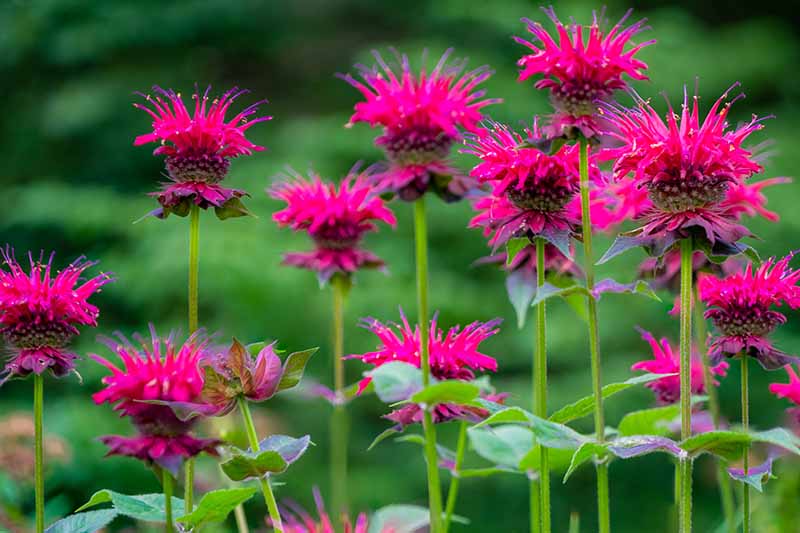
Bee balm develops a strong, spreading root system. Shallow-rooted plants simply can’t compete.
Lettuce
Lettuce prefers calm soil. Bee balm disrupts it, leading to poor leaf formation.
Spinach
Spinach struggles to access nutrients when planted near aggressive root systems like bee balm.
Annual flowers with fine roots
Petunias and pansies often fade early when planted too close to bee balm due to nutrient competition.
Why Bee Balm Spreads So Easily
Growth habit explained
Bee balm spreads through rhizomes—horizontal underground stems that send up new shoots. Without boundaries, it expands quickly.
This trait makes it attractive for filling space, but dangerous when paired with incompatible plants.
Key reasons it spreads fast:
- Loose, fertile soil
- Regular watering
- Lack of root barriers
Understanding this growth pattern helps you avoid mistakes related to what not to plant with bee balm.
Common Companion Planting Myths
“Pollinator plants always work well together”
Not true. While bee balm attracts pollinators, it doesn’t automatically pair well with every pollinator-friendly plant.
“More plants mean fewer weeds”
Overcrowding invites disease, not balance. Bee balm needs breathing room.
“Similar watering needs mean compatibility”
Moisture tolerance doesn’t equal moisture behavior. Some plants retain water; others drain it.
How to Fix a Poor Bee Balm Planting Layout
If your bee balm is already struggling
You don’t need to start over. Here’s how gardeners recover:
- Thin bee balm stems in early spring
- Relocate incompatible neighbors
- Improve spacing (18–24 inches minimum)
- Mulch lightly—never heavily
- Prune aggressively after flowering
Small adjustments often reverse major issues.


FAQ
Can I plant bee balm near vegetables?
Yes, but avoid shallow-rooted or mildew-prone vegetables. Good spacing is essential.
Does bee balm choke other plants?
It can. Its spreading roots and dense foliage overpower weaker neighbors.
Is it okay to plant bee balm in raised beds?
Yes, but only with firm spacing and root control measures.
Why does my bee balm look healthy but nearby plants don’t?
Bee balm often outcompetes surrounding plants for nutrients and airflow.
How far should bee balm be planted from other perennials?
At least 18–24 inches, more if nearby plants are sensitive to humidity.
Should bee balm be planted alone?
In many cases, yes—or with carefully selected, non-competitive companions.
Can I grow bee balm in containers to avoid issues?
Absolutely. Containers give you full control over spread and spacing.
Does pruning help prevent planting conflicts?
Yes. Regular pruning improves airflow and reduces competition.
Conclusion
Bee balm is bold, beautiful, and incredibly rewarding—but only when planted thoughtfully. Understanding what not to plant with bee balm protects your garden from silent problems like disease buildup, overcrowding, and nutrient stress.
When you respect bee balm’s growth habits and give it compatible space, it returns the favor with long-lasting blooms, healthier foliage, and a garden that feels balanced rather than chaotic. Plant smart, prune with intention, and let bee balm shine where it truly belongs.