Introduction
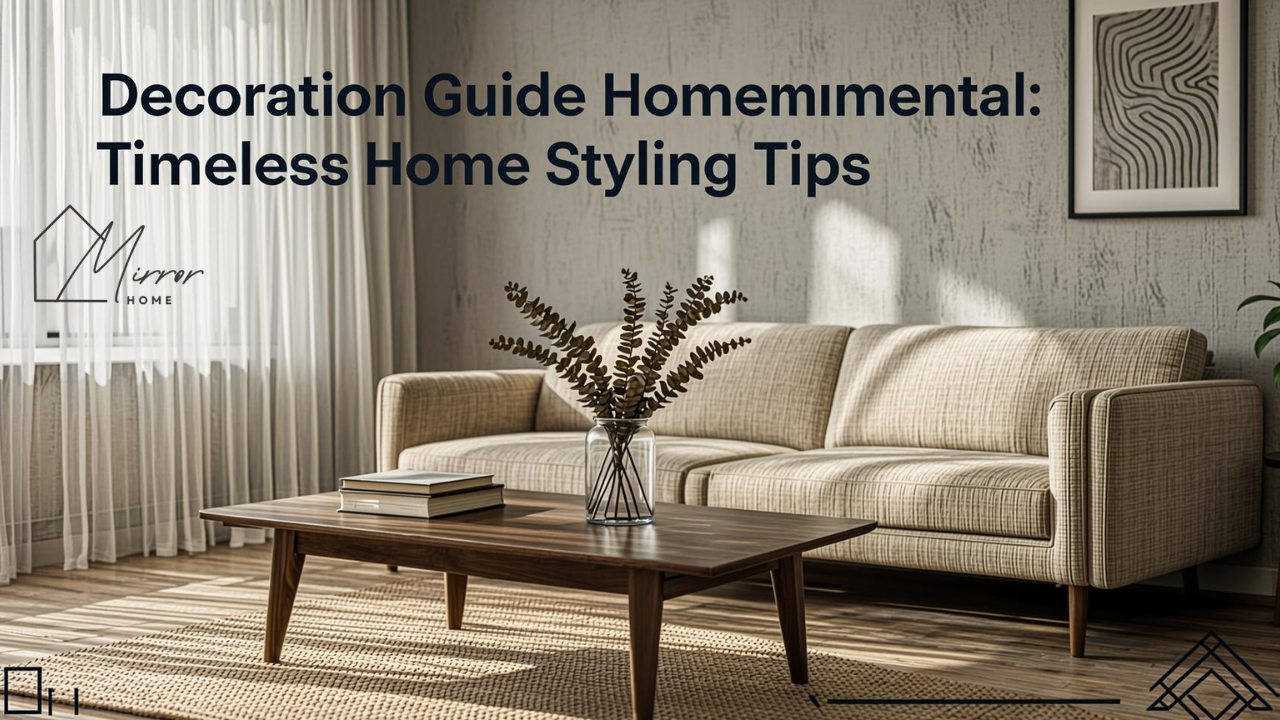
There’s a moment when you walk into a home and instantly feel something—calm, warmth, inspiration. That feeling is rarely accidental. It’s usually the result of thoughtful decisions layered over time. That’s exactly where decoration guide homenumental comes in: a practical yet emotional approach to decorating that balances beauty, function, and personal meaning.
Unlike trend-chasing decor, this method focuses on long-lasting design choices that feel intentional and lived-in. In reality, most homeowners don’t want to redecorate every year. They want spaces that grow with them, reflect their stories, and still look relevant years down the line.
That said, achieving this balance can feel overwhelming. Colors, furniture, lighting, textures—everything competes for attention. This guide breaks it down in a human way, showing you how to make confident decisions without losing your personal touch.
Understanding the Decoration Guide Homenumental Concept
What “Homenumental” Really Means
At its core, homenumental decorating treats a home as a living monument—not a museum, but a meaningful space shaped by memories, routines, and values. The decoration guide homenumental approach prioritizes depth over surface-level beauty.
Instead of asking “What’s trending right now?”, it asks:
- Will this still feel right in five years?
- Does this reflect how I actually live?
- Does this space tell my story?
Why This Approach Is Gaining Popularity
According to interior industry surveys, over 65% of homeowners now prefer timeless designs over fast-changing trends. Rising costs, sustainability concerns, and emotional attachment all play a role. People want fewer but better things, and homenumental decor supports that mindset.
Core Principles of Homenumental Home Decoration
Function Always Comes First
A beautiful space that doesn’t work will always feel wrong. Before choosing decor, evaluate how the room is used daily. Families with kids, remote workers, or frequent guests all need different layouts.
Emotional Connection Over Aesthetics
That slightly worn armchair you love may matter more than a perfectly styled new one. <strong>decoration guide homenumental</strong> encourages keeping pieces that spark joy, even if they’re imperfect.
Layering, Not Overcrowding
Depth comes from layers, not clutter. Think:
- One statement piece
- Supporting textures
- Subtle accents
Planning Your Space Before Decorating
Reading the Room Honestly
Stand in the space and observe how light moves throughout the day. Natural light changes how colors and textures behave. A north-facing room, for example, benefits from warmer tones.
Creating a Flexible Layout
Instead of locking furniture into rigid positions, allow flexibility. Modular sofas, movable side tables, and open pathways make a space feel alive rather than staged.
Budgeting with Longevity in Mind
Spending more on foundational pieces—sofas, flooring, lighting—often saves money long-term. Decorative accessories can evolve slowly over time.
Colors, Materials, and Textures That Last
Choosing a Timeless Color Palette
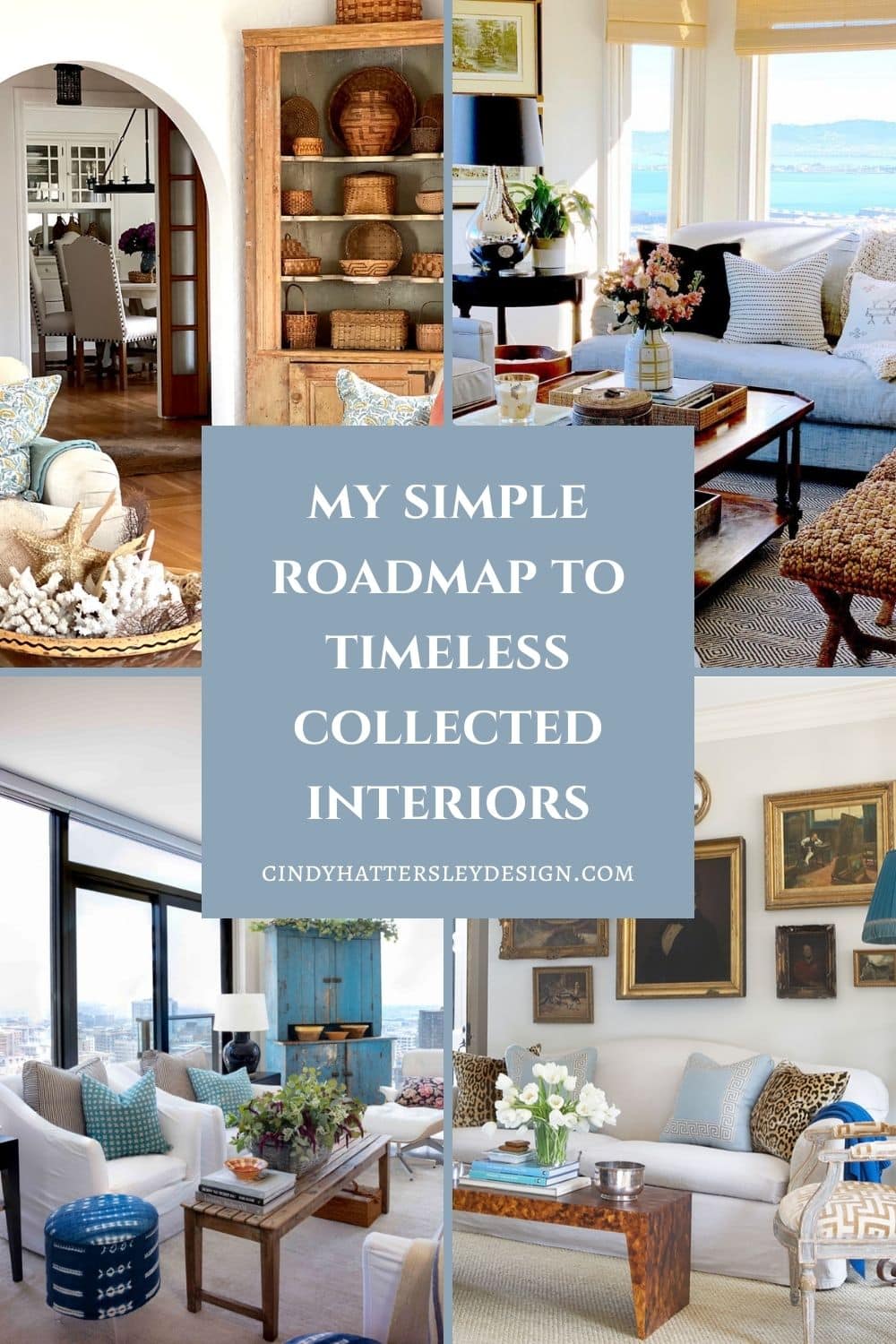
Neutral bases don’t mean boring. Soft whites, warm greys, muted earth tones, and gentle greens work as long-term anchors. Accent colors can rotate seasonally without redefining the entire room.
Materials That Age Gracefully
Some materials actually look better with time:
- Solid wood develops character
- Leather softens and deepens in color
- Natural stone gains subtle patina
These choices align perfectly with the decoration guide homenumental mindset.
Texture as a Quiet Statement
Texture adds emotion without shouting. Linen curtains, wool rugs, ceramic vases, and brushed metals create richness even in simple color schemes.
Furniture Placement and Visual Balance
Anchoring the Room
Every room needs a visual anchor—a sofa, bed, dining table, or fireplace. Build outward from that focal point instead of scattering attention.
Negative Space Matters
Empty space isn’t wasted space. It gives the eye rest and allows key elements to stand out. In reality, homes that feel “too busy” often just lack breathing room.
Proportion Over Quantity
One oversized artwork can be more powerful than five small frames. The same goes for furniture—scale matters more than count.
Lighting as a Design Anchor
Layered Lighting Strategy
Good lighting uses layers:
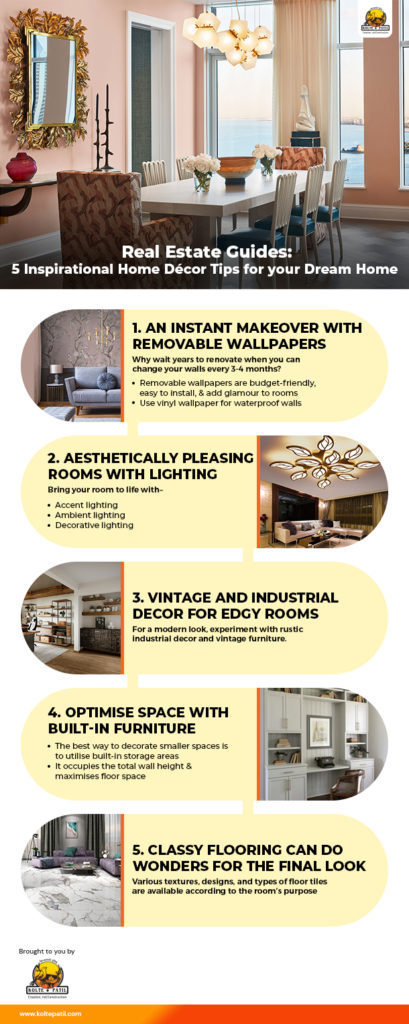
- Ambient lighting for general brightness
- Task lighting for function
- Accent lighting for mood
This combination adapts a room from day to night seamlessly.
Warmth Over Brightness
Studies show warm lighting increases relaxation and comfort. Choose bulbs in the 2700K–3000K range to support a homenumental atmosphere.
Styling Details That Add Soul
Personal Objects with Stories
Books you’ve read, art collected during travels, or inherited decor items add authenticity. These details can’t be replicated by catalog styling.
Plants and Natural Elements
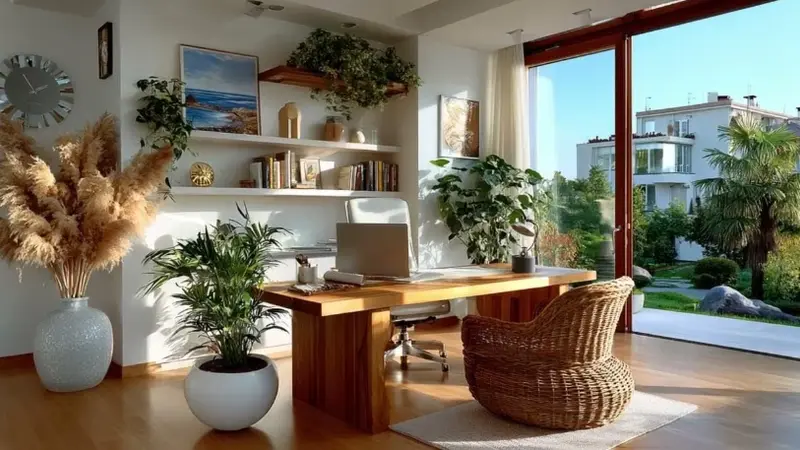
Indoor plants improve air quality and emotional well-being. Even a single large plant can shift the energy of a room.
Editing Over Time
The best homenumental homes evolve. Remove items that no longer resonate and introduce new pieces slowly. This keeps the space honest and current.
Common Mistakes to Avoid
- Decorating too quickly without living in the space
- Copying showroom setups exactly
- Ignoring lighting during planning
- Choosing trends over personal comfort
- Over-accessorizing without intention
Each of these mistakes pulls a home away from the heart of decoration guide homenumental.
FAQ
What is decoration guide homenumental in simple terms?
It’s a decorating approach focused on timeless design, emotional connection, and long-term functionality rather than short-lived trends.
Is homenumental decor expensive?
Not necessarily. It prioritizes smart investment in key pieces and thoughtful use of existing items.
Can small homes use homenumental principles?
Absolutely. In fact, smaller spaces benefit even more from intentional design and clutter-free layering.
How often should I update my decor?
There’s no schedule. Update when your lifestyle or emotional needs change, not because trends say so.
Does this style work with modern interiors?
Yes. Homenumental decor blends beautifully with modern, classic, and transitional styles.
Are neutral colors mandatory?
No, but they often serve as strong foundations. Bold colors can still be used thoughtfully.
Conclusion
A home doesn’t need to impress strangers—it needs to support the people living inside it. The decoration guide homenumental philosophy reminds us that great decorating isn’t about perfection, but intention. By choosing materials that age well, layouts that support real life, and objects that carry meaning, your home becomes more than styled—it becomes deeply personal. Over time, that authenticity is what truly stands out.