Introduction
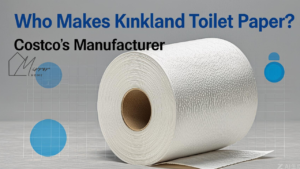
If you’ve ever stood in a Costco aisle staring at that massive pack of Kirkland Signature toilet paper, you’ve probably wondered the same thing millions of shoppers do: who makes kirkland toilet paper, and is it actually any good? It’s a fair question. After all, toilet paper is one of those everyday products where comfort, durability, and price all matter a lot more than branding hype.
In reality, this question matters because Kirkland Signature has earned a reputation for delivering near–name-brand quality at a lower cost. Knowing who’s behind the product helps explain why it performs the way it does—and whether it’s worth your loyalty.
In this guide, we’ll unpack the real story behind <strong>who makes kirkland toilet paper</strong>, how Costco sources it, how it compares to big brands, and why the manufacturer isn’t always publicly named. Think of this as a behind-the-scenes tour of one of Costco’s most trusted household staples.

Who Makes Kirkland Toilet Paper?
The short answer—and the long one
The most accurate answer to who makes kirkland toilet paper is that it’s produced by large, established paper manufacturers under contract for Costco. Over the years, industry analysts and consumer investigations have consistently pointed to companies like Kimberly-Clark and Procter & Gamble as likely manufacturers, depending on region and production run.
However, Costco does not officially confirm a single, permanent manufacturer. That’s not secrecy for secrecy’s sake—it’s a deliberate private-label strategy. Costco’s agreements allow flexibility, competitive pricing, and consistent quality standards without tying the product to one public brand.
Why this matters to shoppers
When people ask who makes kirkland toilet paper, they’re really asking whether it’s made by the same companies behind brands like Charmin or Cottonelle. In many cases, the production standards and machinery are comparable, even if the branding is different. That’s why the feel, strength, and absorbency often surprise first-time buyers.
The Role of Costco and Kirkland Signature
Costco’s private-label philosophy
Costco doesn’t just slap its name on random products. Kirkland Signature items are developed with strict performance benchmarks that often mirror—or exceed—leading national brands.
Costco’s internal teams test toilet paper for softness, tensile strength, linting, and absorbency. Only suppliers that can meet those benchmarks at scale are considered.
Kirkland Signature as a quality signal
For many loyal members, the Kirkland name itself has become a shortcut for value. When it comes to understanding who makes kirkland toilet paper, remember that Costco controls the specs, not the other way around. Manufacturers must adapt to Costco’s requirements, not their own branding preferences.
Why the Manufacturer Isn’t Always Named
Private label agreements explained
Private-label manufacturing contracts often include confidentiality clauses. These protect both sides: the manufacturer avoids undercutting its own branded products, and Costco maintains leverage in pricing negotiations.
That’s why you won’t see a factory name printed on the package, even though the toilet paper is produced by experienced industry leaders.
Regional production differences
Another reason the answer to who makes kirkland toilet paper isn’t always straightforward is geography. Costco operates globally, and paper products are heavy and expensive to ship. As a result, Kirkland toilet paper may be produced by different manufacturers in the U.S., Canada, or Asia, all following the same core specifications.
How Kirkland Toilet Paper Is Made
Raw materials and pulp sourcing
Most Kirkland toilet paper uses virgin wood pulp blended with recycled fibers, depending on the specific product line. The pulp is processed into thin tissue layers designed to balance softness and strength.
Manufacturers rely on modern paper machines capable of producing consistent thickness across massive production runs—one reason only large companies can meet Costco’s volume demands.
Layering and embossing
The familiar quilted texture isn’t just for looks. Embossing creates air pockets that improve absorbency and comfort. This process is carefully calibrated so the paper feels plush without falling apart when wet.


Quality, Materials, and Sustainability
Strength vs softness trade-off
One reason people keep asking who makes kirkland toilet paper is its balance of softness and durability. Many cheaper brands lean too far one way. Kirkland aims for the middle ground, which requires higher-quality pulp and tighter manufacturing tolerances.
Environmental considerations
Costco has gradually increased its focus on responsible sourcing. Some Kirkland paper products are certified by forestry stewardship programs, signaling reduced environmental impact. While it’s not always the greenest option on the shelf, it competes well within the bulk-paper category.
Kirkland vs Major Toilet Paper Brands
Performance comparison
When stacked against brands like Charmin or Cottonelle, Kirkland toilet paper often scores similarly in consumer tests for absorbency and strength. The biggest difference? Branding and price.
That comparison fuels ongoing curiosity about who makes kirkland toilet paper, because the performance gap is smaller than many expect.
Brand perception vs reality
Big brands invest heavily in advertising and packaging. Kirkland invests in scale and supply chain efficiency. The end result is a product that feels familiar, even if the name on the wrapper is different.
Pricing, Value, and Bulk Economics
Why it’s cheaper
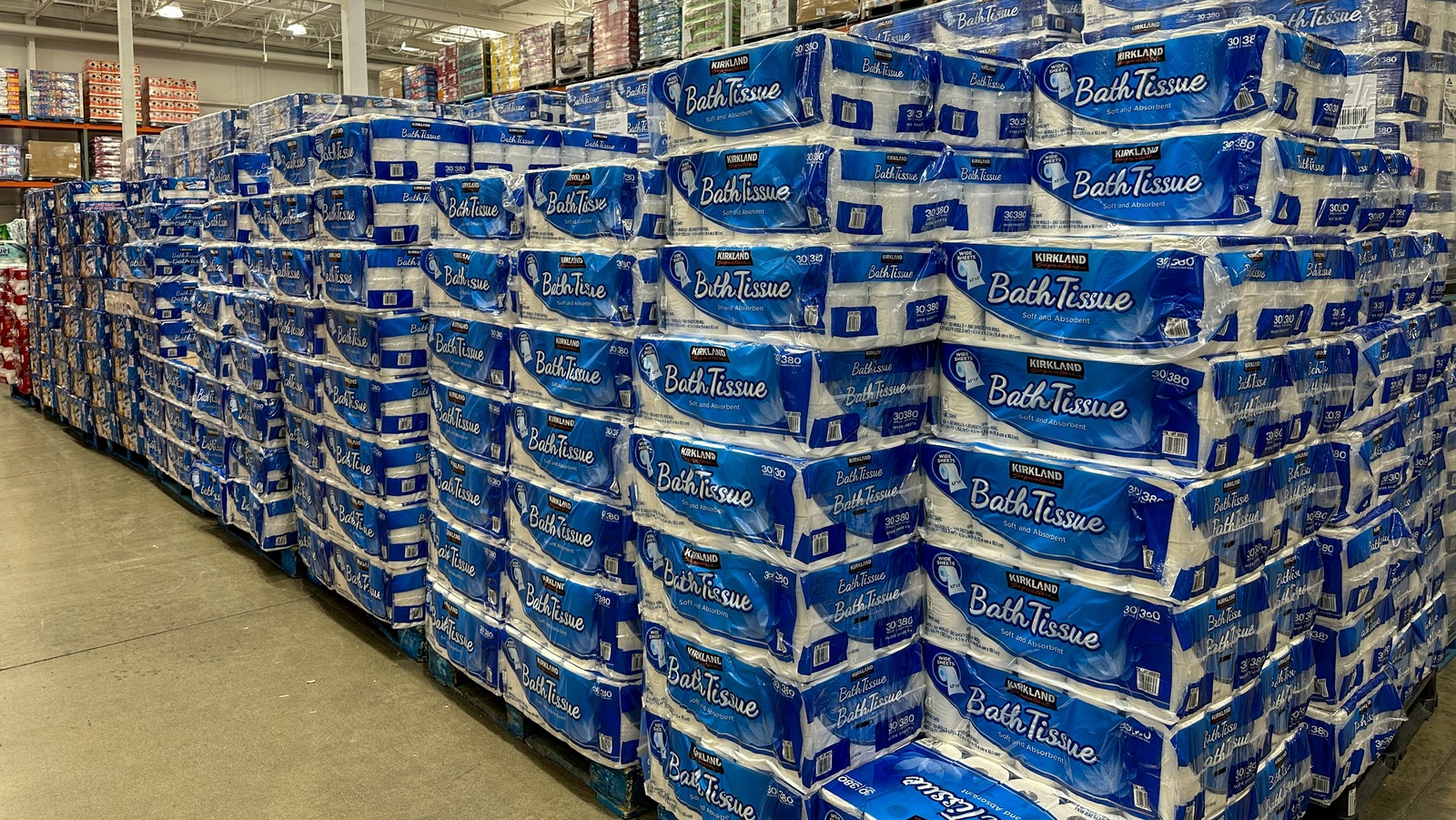
Costco’s bulk model reduces per-unit costs dramatically. By selling large packs and limiting SKU variety, Costco lowers logistics and storage expenses. Those savings are passed directly to members.
Long-term household savings
For families, switching to Kirkland toilet paper can save hundreds of dollars over time. That value proposition is a major reason shoppers care so much about who makes kirkland toilet paper—they want reassurance that cheaper doesn’t mean worse.

Manufacturing Partners: What We Know
Industry insiders and educated guesses
While Costco stays quiet, industry insiders have long noted similarities between Kirkland toilet paper and products made by Georgia-Pacific and Kimberly-Clark. The machinery, fiber blends, and embossing patterns often resemble those used by top-tier manufacturers.
No single permanent supplier
It’s important to understand that there may not be one definitive answer to who makes kirkland toilet paper. Suppliers can change as contracts renew, costs fluctuate, or capacity shifts. What stays constant is Costco’s quality bar.
Supply Chain and Private Label Strategy
Why flexibility matters
By avoiding long-term exclusivity with one manufacturer, Costco can adapt quickly to market changes. This protects members from sudden price hikes and supply shortages, something that became especially clear during global paper shortages.
Consistency across change
Even if the manufacturer changes, Costco enforces standardized specs. That’s why the product feels consistent year after year, regardless of behind-the-scenes shifts.
Consumer Trust and Brand Loyalty
Why shoppers keep buying it
Trust is built when a product performs reliably. Kirkland toilet paper has become a default choice for many households, not because of flashy marketing, but because it simply works.
The psychology of private labels
When consumers understand who makes kirkland toilet paper—or at least the caliber of companies involved—they’re more comfortable choosing a private label over a famous brand.

FAQs
Is Kirkland toilet paper made by the same company as Charmin?
No official confirmation exists, but companies like Procter & Gamble are often mentioned as possible manufacturers due to similar production capabilities.
Why doesn’t Costco list the manufacturer on the package?
Private-label agreements typically include confidentiality clauses to protect pricing and brand positioning.
Is Kirkland toilet paper good quality?
Yes. It consistently ranks high for softness, strength, and value compared to national brands.
Does the manufacturer change over time?
It can. Costco may use different suppliers in different regions or contract periods while maintaining the same quality standards.
Is Kirkland toilet paper environmentally friendly?
Some versions use responsibly sourced pulp, but it’s best to check packaging certifications for specific environmental claims.
How does Kirkland compare in price to name brands?
It’s usually significantly cheaper per roll, especially when bought in bulk at Costco.
Is Kirkland toilet paper safe for septic systems?
Most users report no issues, but always follow your local plumbing recommendations.
Why do people care so much about who makes kirkland toilet paper?
Because it reassures buyers that a lower price doesn’t mean lower quality, especially for an everyday essential.
Conclusion
So, who makes kirkland toilet paper? The most honest answer is that it’s produced by major, well-established paper manufacturers working under Costco’s strict specifications. While the exact name may change or remain confidential, the quality benchmarks do not.
In reality, what matters most isn’t the logo on the factory wall, but the feel, performance, and value in your bathroom at home. Kirkland toilet paper has earned its reputation by delivering consistent quality at a fair price—and that’s why so many shoppers keep coming back, pack after pack.